

As a business student I would not be surprised if my peers outside of the college of business thought all I aspired to in life was to make six figures, play a round or two of golf at lunch and try to make it into a corner office with a comfy chair. While all that sounds nice, it’s not what I want. What I want is to help foster peoples’ growth and make their dreams materialize.
Here at the Industrial council of Chicago, the ICNC for short, we do just that. Looking back to what I’ve read or learned in class, I discovered that entrepreneurs make up less than 10% of the population but make up over 30% of America’s overall economy. How could so few people do so much? What could I learn about them? Is it a personality trait, some animal urge, or a relentless pursuit of independence?
I don’t know. Entrepreneurs are from all strings of society and exist in almost any industry. They may be a banker who left his spreadsheets behind to go into making or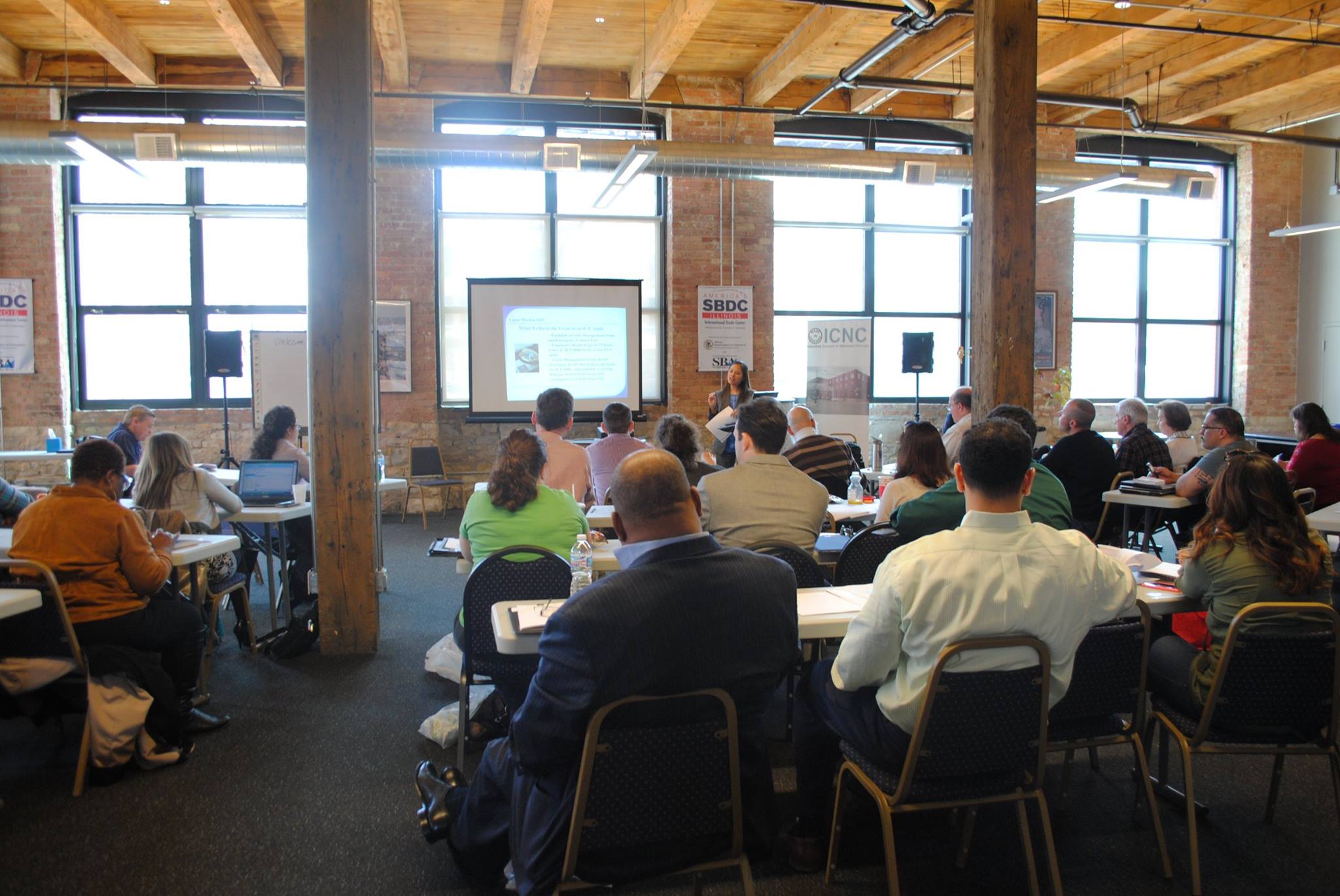 ganic, gluten free bread or four friends who used to sell sports apparel out of briefcases outside stadiums until they finally created their own chain of stores. Young or old, an entrepreneur is an entrepreneur.
One of the most valuable qualities that I want to take out of this internship is an entrepreneurial sense of creativity and bravery. I think these are traits are critical to helping fix the problems of the world and would be some of the most important lessons I’ve learned at the ICNC these past few weeks alongside the other skills I’m learning. The world is encapsulated in a whirlwind of problems day by day, and learning to think in an unorthodox way like an entrepreneur is critical in any plan to change the world, big or small. However, I think bravery is the most important aspect of my whole fellowship.
Learning to not be afraid of failure when it happens I think is one of the most inspiring lessons I can take out of this internship. At the events I work at for the ICNC so many entrepreneurs describe just how vulnerable they felt when things started to go south. So many of them have failed in the process of following their dreams, but hearing how they brushed themselves off, saw what went wrong and worked on fixing their issues to become successful is really something else. To an entrepreneur you only really fail when you just stop trying and give up.
While I only have a few more weeks left at the ICNC, I want to take on whatever challenges may come my way. Opportunities to learn this outside of the classroom are so rare to find. Even learning to network around influential Chicago businessmen and politicians can be intimidating it is no excuse not to try. Going back to Valparaiso this fall will be weird as I’m no longer trying to find a decent corporation to work for. I’m going to be looking down a different path and see about making my own way!
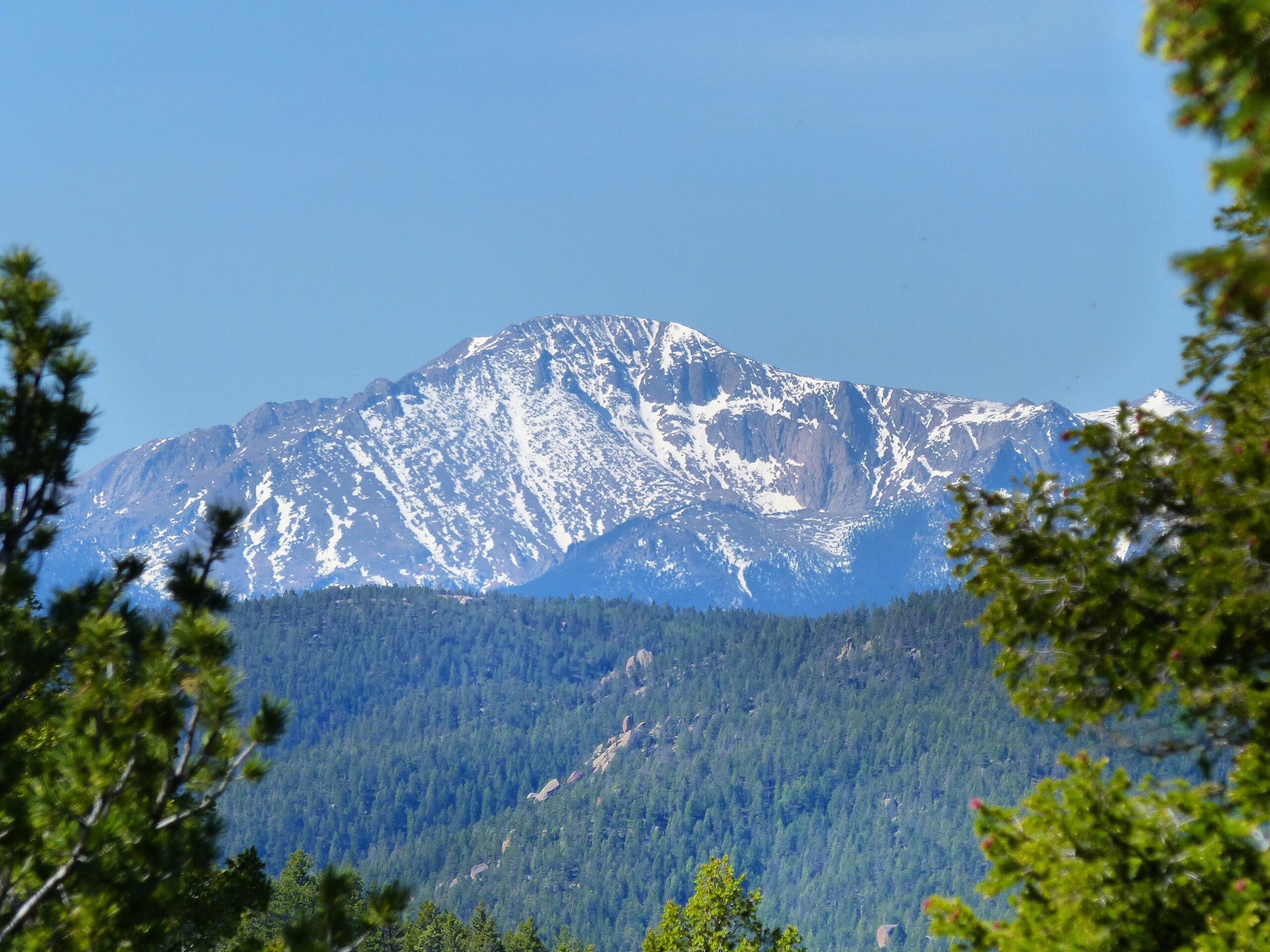
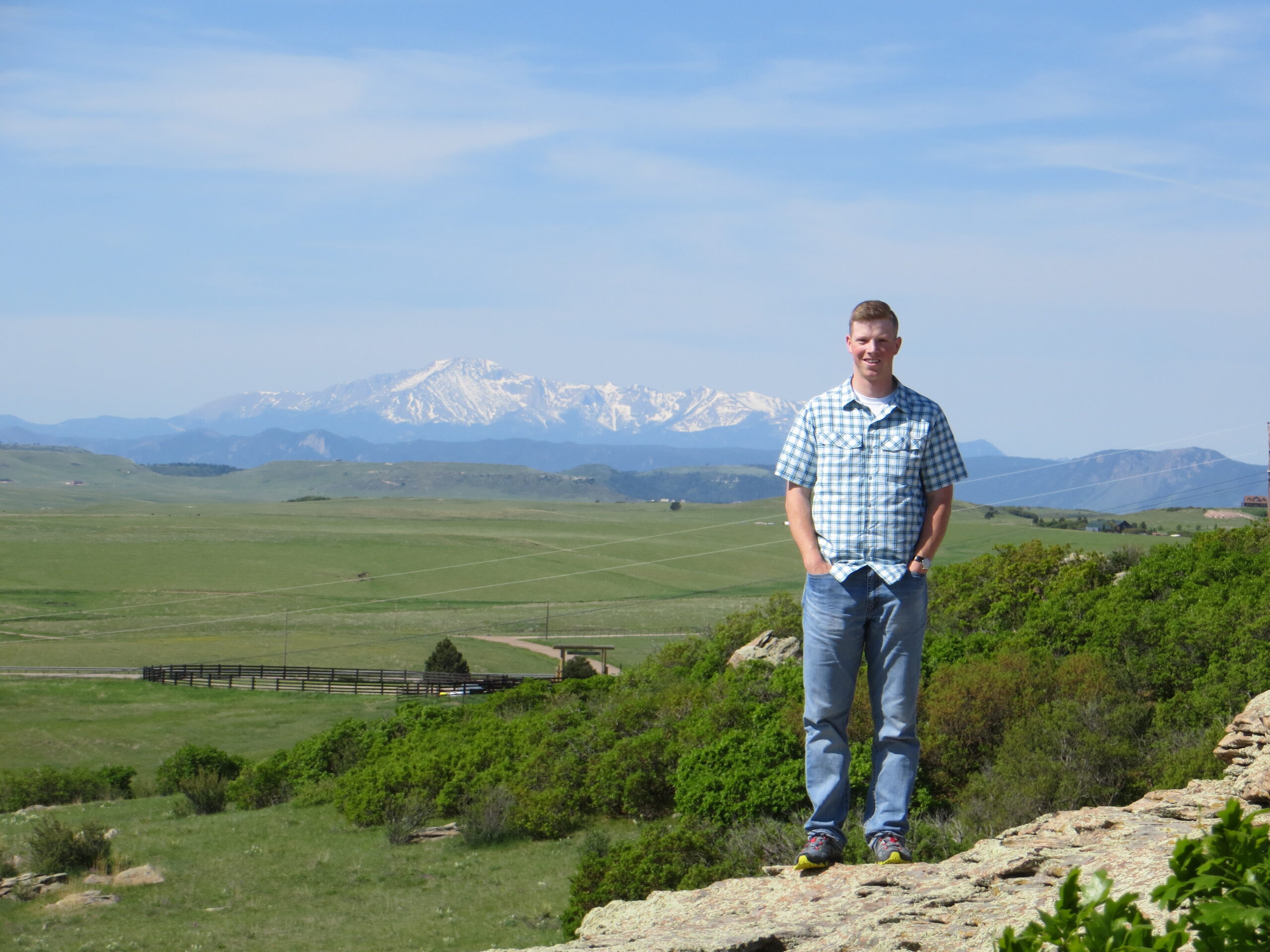
Majestic Pikes Peak (Yes, I really took this picture).
As I arrived at Douglas Land Conservancy, I was full of questions about the upcoming summer. There were many unknowns, but perhaps the biggest question on my mind was about the purpose of my summer at DLC. Ever since I stepped foot on campus at Valpo, I had been acutely aware of the university’s focus on and attention to service. Service is an integral part of university life. Soon after I learned of my placement at DLC, I was filled with questions about the conservation field, and its relationship to service. I spent much of my first week pouring over files, attempting to gain a basic understanding of the conservation field. For those of you as unfamiliar with the field as I was, I will give you a quick flyover of what I’ve learned so far.
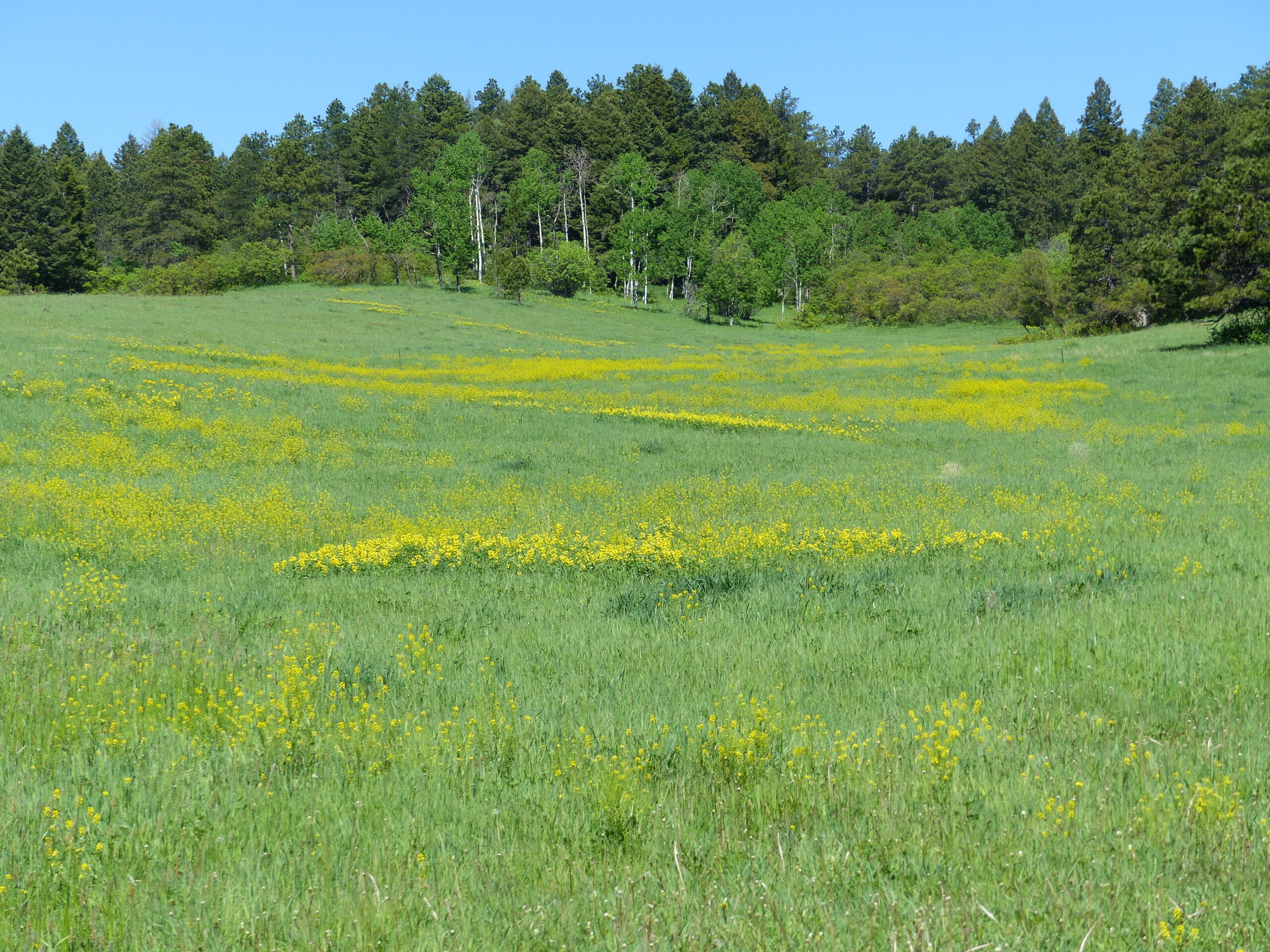
Field of wildflowers on a protected property
The kind of work that DLC does on the land can be broken down into two categories: private and public. The organization holds conservation easements, which are legal agreements that state that the land in question is to be protected in perpetuity, on specific parcels of land. Some of these easements are for public open spaces, where anyone can come and enjoy all that the land has to offer. Other easements are on private land, with the land owner retaining ownership of the land, but giving up any developmental rights. These kind of easements are put in place to protect wildlife habitats, scenic viewscapes, as well as a myriad of other reasons. DLC is constantly partnering and working with other conservation organizations to protect property throughout Douglas County. With these different kinds of easements that DLC holds and protects on our minds, now I want to dive into the question that has been on my mind constantly this summer: Is this work service?
My first day out on the land resulted in quite the view.
I have been at DLC for just over a month, and I have learned an incredible amount of information, and have been digesting all that I have learned. In my mind, conservation is absolutely a form of service. I think that many times we limit our view of service because we focus on a particular kind of service, which is helping those in dire need of something. Of course, there is absolutely nothing wrong with that kind of service, and we should praise those who work to do just that. Simply put, my summer at DLC has challenged if that is the only kind of service that there is. During my internship, I have not helped a needy family, listened to an immigrant’s story, or combated modern day slavery. The majority of people that I have interacted with are fairly well off white people. And yet DLC, and other land conservation organizations, are deeply committed to service. This kind of service may not fit a typical definition of what service is, but land conservation is absolutely beneficial to society at large. In a world where so much seems to be about the bad, land conservation organizations are working hard to preserve what is good. One of my favorite historical figures is John Muir. If you have not heard the name, I encourage you to check him out. Muir was an early advocate of wilderness protection, specifically in the Western United States, and is known as the Father of the National Parks. He spoke about the healing qualities of the natural world, and how each person needs time in nature to nourish his or her soul. It is that kind of experience, and that kind of nourishment, that DLC is actively protecting, specifically through public open spaces.
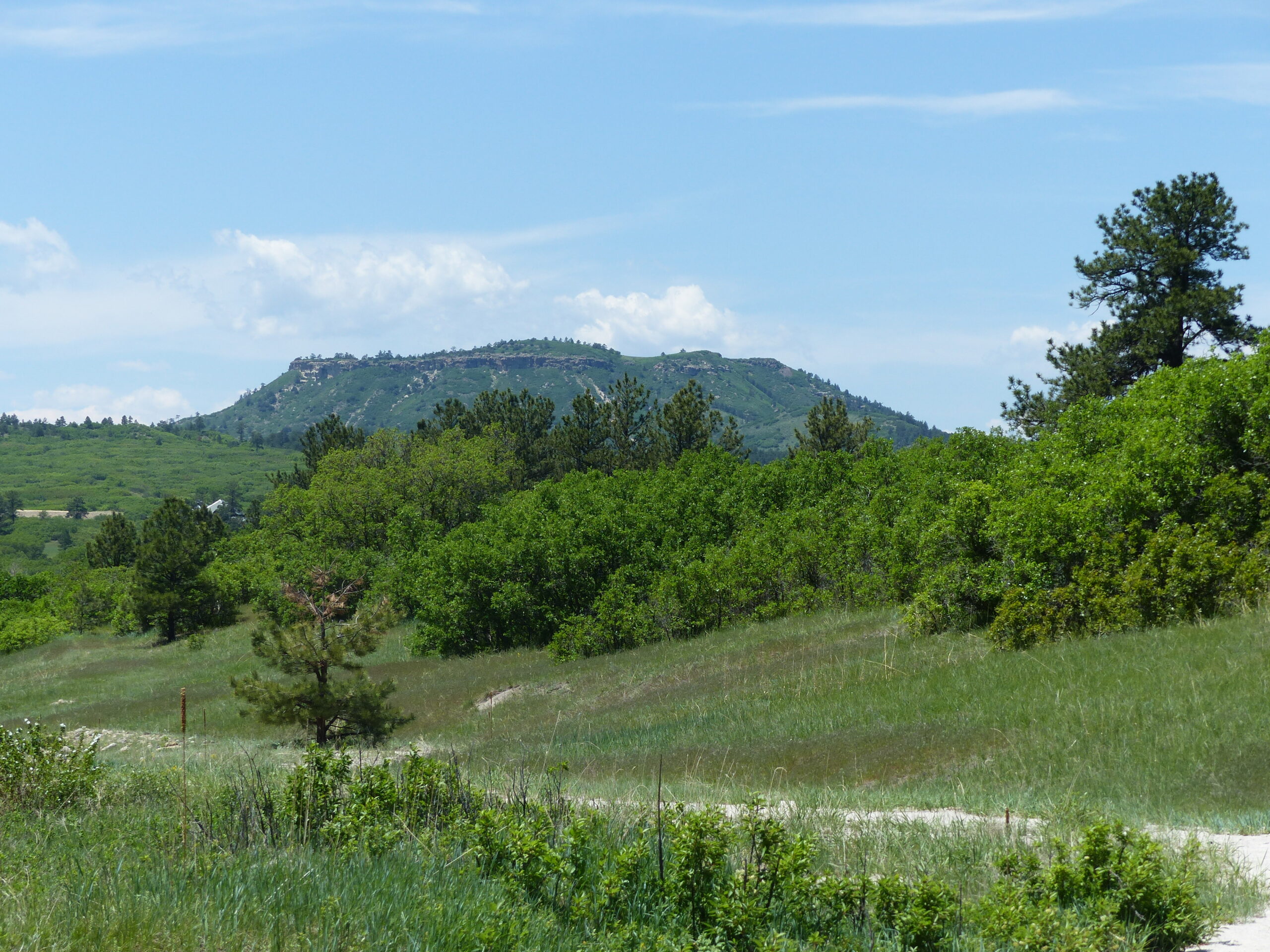
View of Dawson Butte Open Space.
During my time at DLC, I have spent a good amount of time out on the land, whether it is monitoring protected properties or joining guided hikes on protected open spaces. And it is there, when one is surrounded by creation, that the impact of DLC’s service fully manifests itself. There is something so special and unique about open spaces. The protected space is open to all. Many of these open spaces are considered prime real estate, and could have easily ended up 35 acre parcels with a magnificent house on each section, complete with awe-inspiring views. But instead, these lands are under protection for perpetuity. And that is a good, beneficial outcome. Service does not simply have to be about fixing a wrong, it can be about preserving a right. The open space will remain open to the public, allowing people of all walks of life a brief respite from the hectic pace of the world, and a chance to nourish their souls, as Muir would have wanted. The privately owned properties will retain their natural character forever. In a world where development can spread like wildfire, the preservation of the character of the land is critical. Conservation organizations are working to protect and steward creation in its natural form, and attempt to minimize the impact that we humans will have on the land.
The most beneficial part of my summer has been the intensive kind of thinking that I have found myself engaged in each and every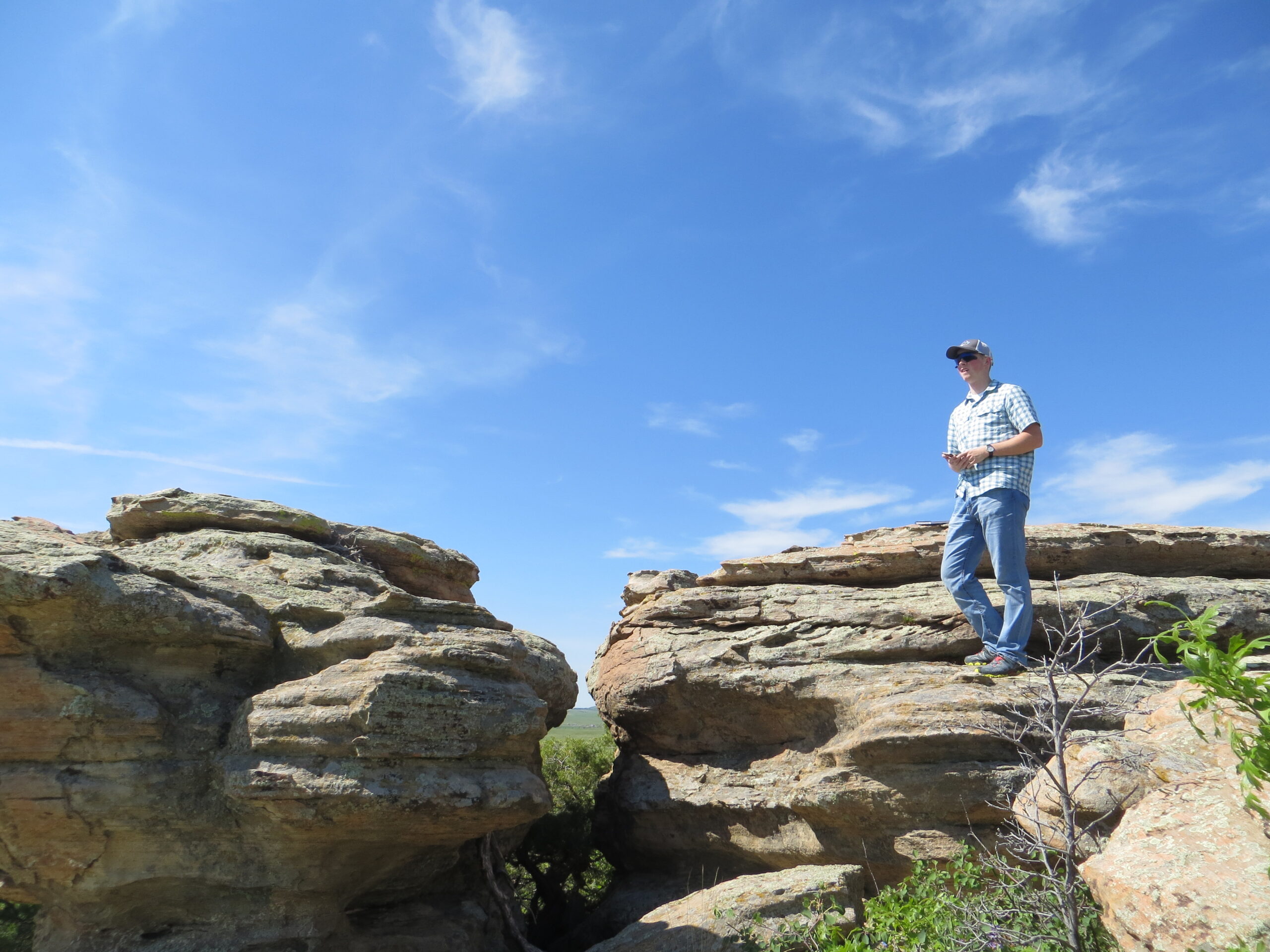 day when I am out on the land. Thanks to what I have learned at Valpo, I am applying my previous knowledge to my current situation, and it is leading to an incredible amount of self-reflection. I look at things in a manner that I would not have three years ago, and I credit Valpo for helping me develop a deeper sense of questioning of the world around me. My time at DLC has left me contemplating a set of questions that I had never encountered before. There are still parts of the conservation field that weigh heavily on my mind, specifically when it comes to private lands. The public benefit is clear when one looks at open spaces, but is more obscure and refined when it comes to private easements. How I incorporate that aspect of land conservation into my conception of service that my time at Valpo has sparked in me has been a continued challenge this summer. I am excited to continue this journey over the summer, and to continue self-reflecting on the difficult questions that I encounter.
Before I knew it, a month had already flown by. As I never had an internship before, I was both anxious and hesitant to discover what it would be like to be “the” intern, at least for the summer. Interning at the Heartland Alliance is an experience unlike any other. I essentially went from working odd jobs as a camp counselor and as a food prep at Sox park to working for a refugee resettlement agency.The pressure for me to do well at this job intensified the closer I got to my starting date. I did not want to be labeled as “that” intern who didn’t know anything, so the first day I dressed to impress, having memorized all the background information I could about The Heartland Alliance (courtesy of Google). Needless to say, all the worries I had of working for a reputable company like Heartland had soon disappeared. As I walked in, I saw many young people not even over the age of 30, running around the office making copies, coffees and phone calls. I also saw many people from all over the world, each with their own story, that all happened to convene in this one office on the North Side of Chicago. In that, I realized I was severely over-dressed and nervous for no reason. I sat down in the waiting area for about 10 minutes before my supervisors, Gilia and Lea would introduce themselves. I followed them to one of the conference rooms, trying to not get in the way of all the busy people in the office, and sat down, realizing that I could get used to this place. As they went over all of the logistical information regarding the company as an entity, I realized that as Americans, we have access to many resources that we might not even be aware of and unfortunately take them for granted. The refugees, immigrants and asylees that come through our office every day however do not have access to these resources. In fact, they come here with just about nothing in hopes of living a better life. One month later and it hardly feels like I am working. For sure the office has its slow and not so slow days but this job has taught me so much in the past month that I will be able to apply to any job field. With the constant encouragement and support I receive from my other Chicago CAPS fellows, this internship is guiding me on a path that I would not have found if it were not for this amazing opportunity. 
My first week on the job at United Way of LaPorte County (UWLPC) left me with many questions. Most of it was spent looking at the computer screen and researching different ways that social media can help non profits, specifically this United Way. With these long hours of research, at times it wasn’t the most interesting thing, and I wasn’t exactly sure how what I was doing was helping our organization. Was this going to be my role for the entire summer? Upon our first meeting with our supervisor to discuss what we had been doing, I soon realized the value and importance of our work. Most of the administrative staff didn’t have fundamental knowledge of social media. It was at this moment that I realized I was contributing a lot to this organization. The so-called “basics” of twitter, facebook, Instagram, etc, were not basics to most people. My generation of peers has an advantage because social media is mostly a pastime, and is second nature to us. However, when harnessed correctly, it isn’t just valued as a pastime, but rather it is valued very highly. Because of this I began to more intricately document what I was doing, so that when Tyler Ingersoll (fellow CAPS Fellow/co-worker) and I leave at the end of the summer, UWLPC can continue to succeed and maintain a presence on social media.
Being the young interns of the office, we understood what appeals, and what can attract attention on social media. Thus, we began brainstorming ideas as to how to grow the social media presence for UWLPC. So Tyler wrote a rap, and together we filmed and produced a video/song on 2-1-1, a free calling service available to help anyone with housing, food, transportation needs and questions. This idea has brought some more attention on facebook to UWLPC, and we quickly realized the value of having a posting videos like such. Our next video was a remake of a Sportscenter ad featuring world class golfer Jordan Spieth. We advertised both for 2-1-1 as well as the annual golf outing that United Way is putting on in August. (We are still waiting for George Lucas to call Tyler and I asking for help in the production of the next Star Wars).
https://www.instagram.com/p/BHQDXDmBEhO/?taken-by=unitedwaylpc
For the remainder of our time here at UWLPC, Tyler and I hope to produce more videos and to increase attendance at United Way events. I have begun to understand that the younger generations have valuable experience in social media despite most of us not realizing it.
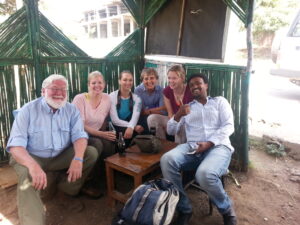
When I applied for the CAPS Fellowship this past winter, I already had my sights set on Water to Thrive. I had heard from one Mr. Lars Anderson all about his experience with the organization last summer, and there was something in me that knew that W2T was something that I wanted to be a part of. And of course, a trip to Africa was enticing.
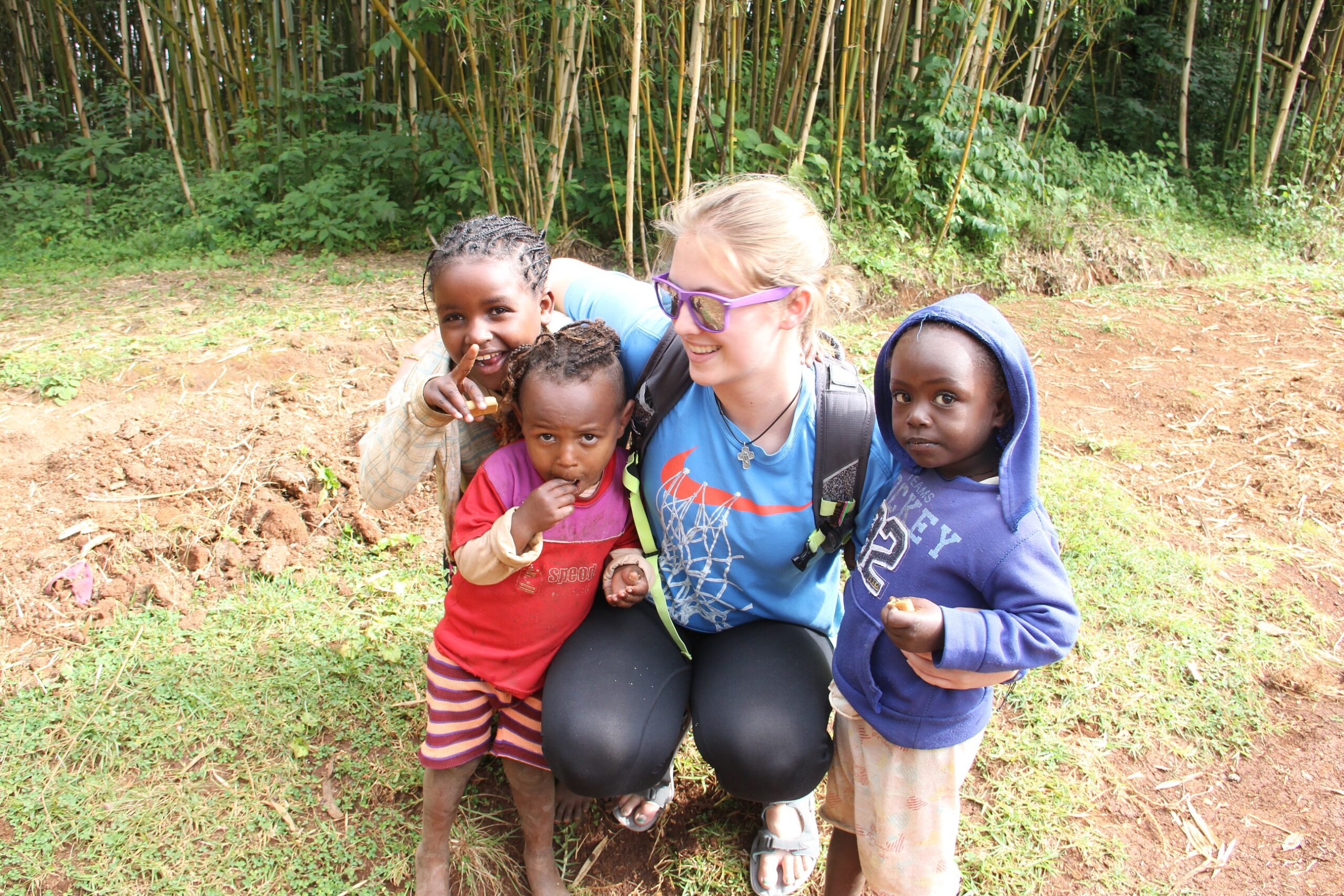
The little kiddos who taught me to dance like the Dorze tribe
Fast forward to June 2. I was feeling perpetually lost and alone in this city where I know no one when I started my first day off strong by going to the wrong office building (thanks Google Maps). The confidence I’d had when applying for this position was slowly diminishing, but as I began to settle into the office and really focus in on my projects for the summer I felt my passion and excitement come bubbling back up.
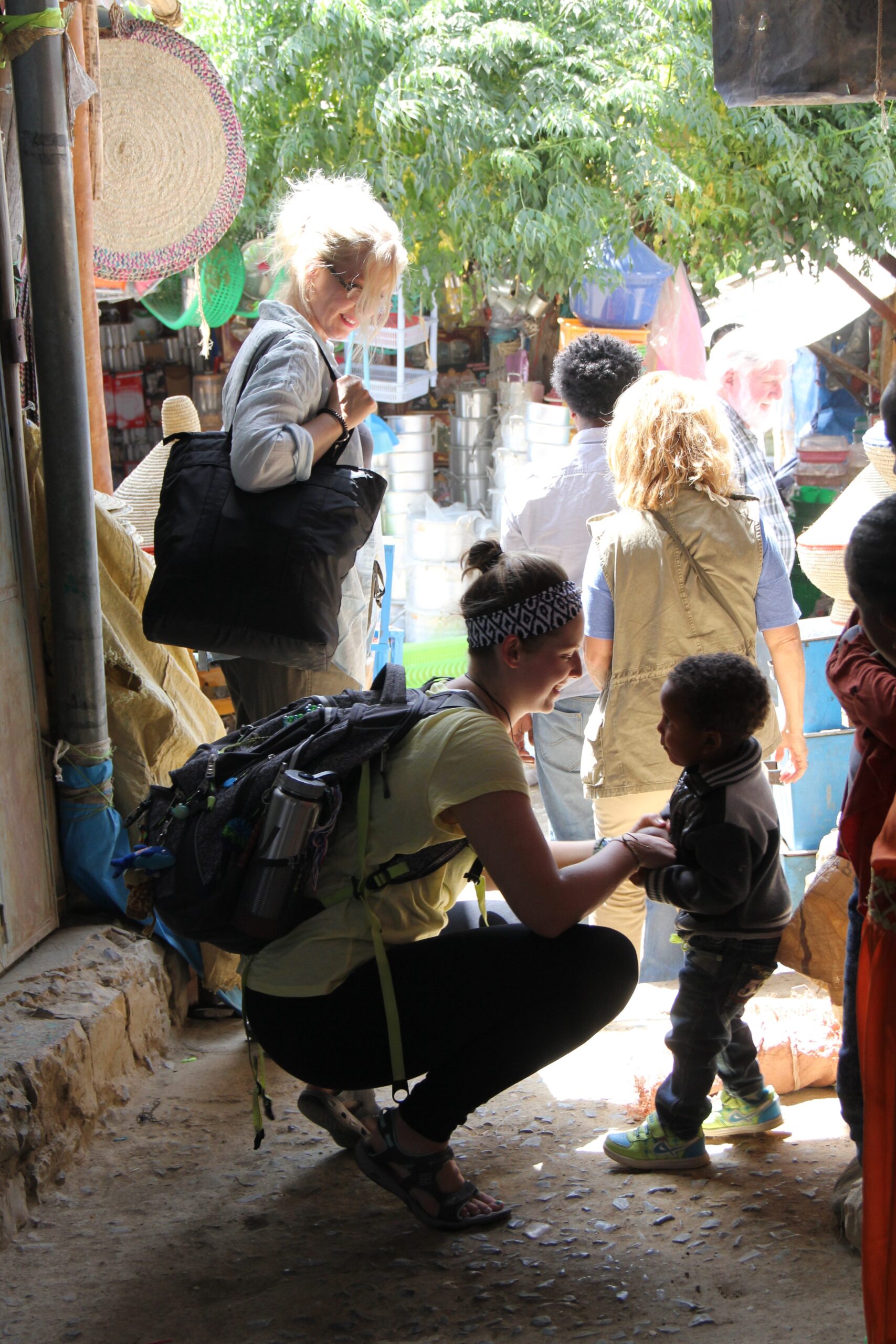
This feisty little rascal taught me that I’m a “forengi” (foreigner) and I just have to embrace it
Water to Thrive is a non-profit organization based in Austin, TX that funds the implementation of clean water projects in Ethiopia, Uganda, and Tanzania. Our in-country partners are responsible for the site selection and construction of the projects, as well as training the community in order to ensure that the projects are sustainable. My project for the summer is to continue work on a Best Practices Document that was started by Lars and another intern last summer. This document will be used to help communicate the expectations that W2T has for quality and sustainability of their projects. As part of this process, I was asked to travel for 3 weeks to both Ethiopia and Uganda to visit completed and in progress project sites.
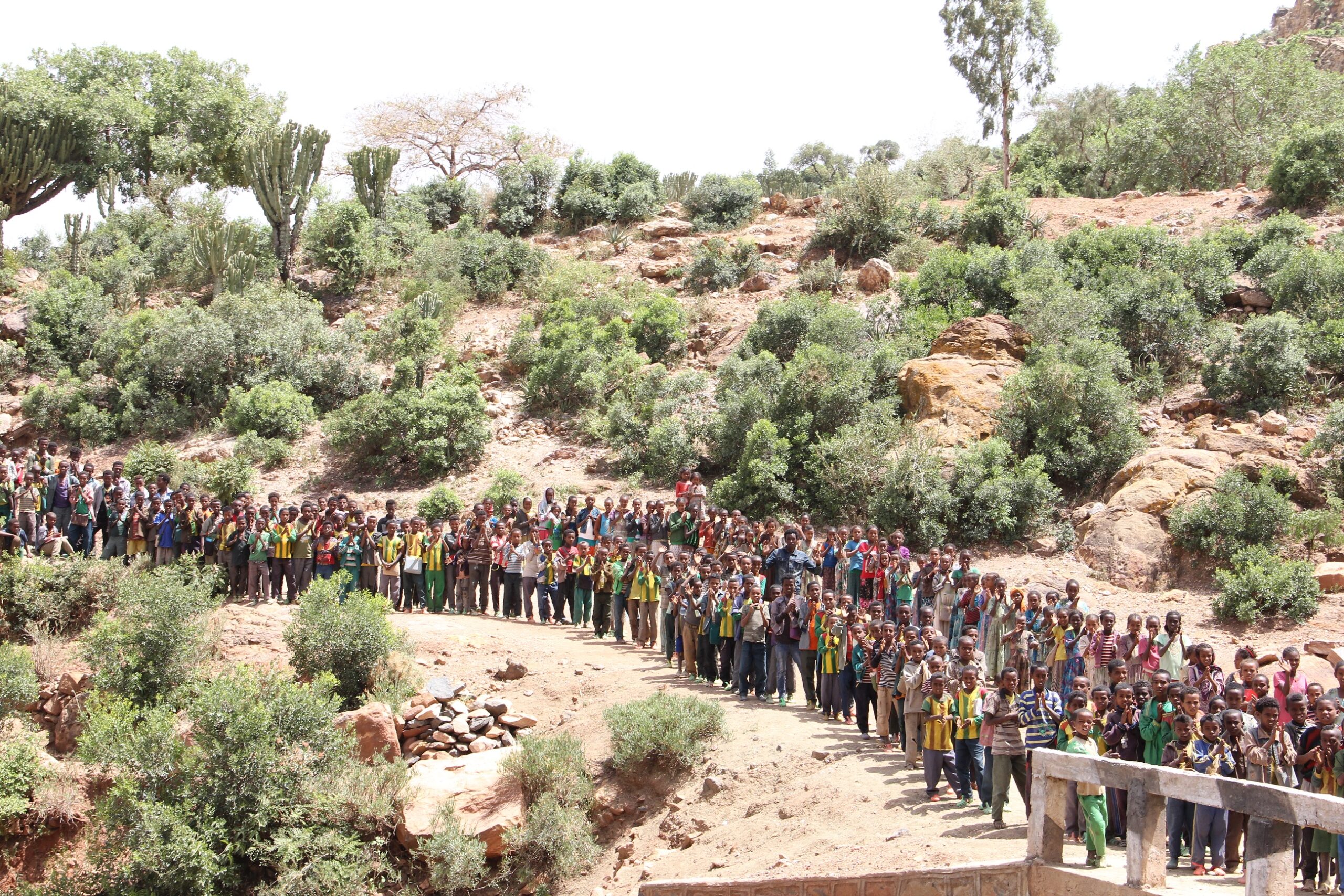
A welcome like I’ve never seen before.
In 3 weeks you can meet a lot of (amazing) people, learn a lot about a vast array of topics, and visit a lot of project sites (39 to be exact). You can drive a lot of bumpy roads, kill a lot of bugs, take many bush stops, dance often, laugh a lot, and celebrate the gift of life that is clean water. You can start to get to know and love a culture and a country (or two), but what you can’t do is come home unchanged.
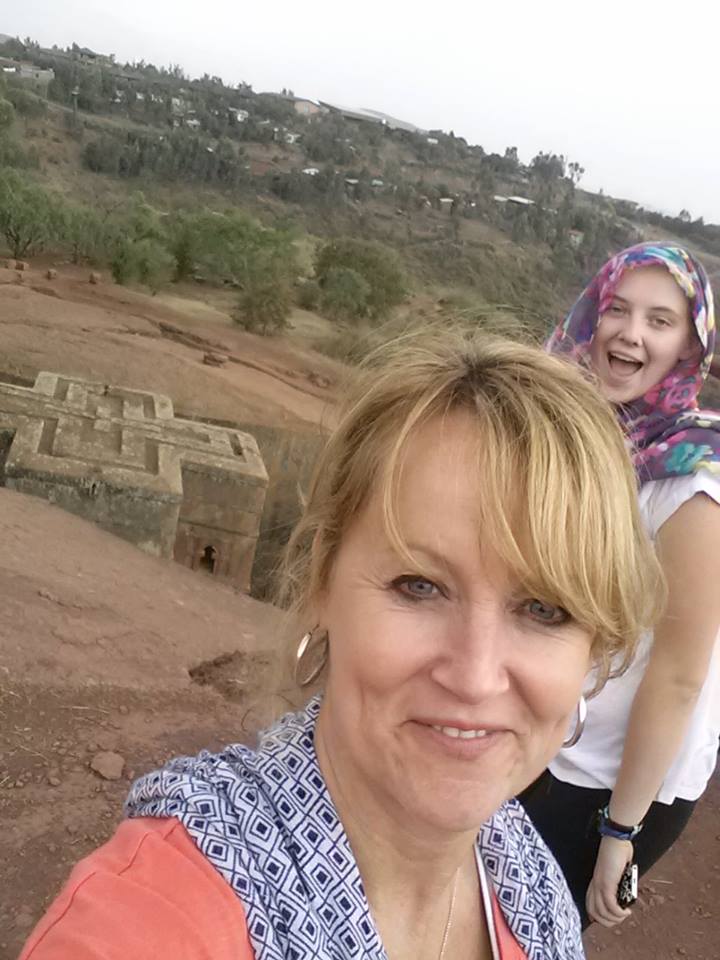
Was it really an internship if you didn’t photobomb your supervisor’s selfie?
It’s hard for us to imagine not being able to turn on the faucet and brush our teeth, or not being able to press a button to wash our clothes. We can’t fathom what it would be like to never have the chance to bathe or shower. We run 5K “fun runs” not realizing that people across the world walk that every day just to get a dirty, yellow, plastic can full of water that may or may not make them ill. We can’t picture “drinking water” with dirt swirling, and worms swimming around. These people can. In fact, that’s all many of them know.
We met women who get beaten because fetching water takes so long that they don’t have dinner ready when their husbands come home. We met children who don’t go to school because they spend their time walking across the village to collect water. We met a woman recovering from typhoid, and women who had lost children to water borne diseases. What W2T does is about so much more than just water. It’s about allowing children to get an education. It’s about allowing women to have the time to pursue other tasks. It’s about giving people a chance at life that many of them may not otherwise have.
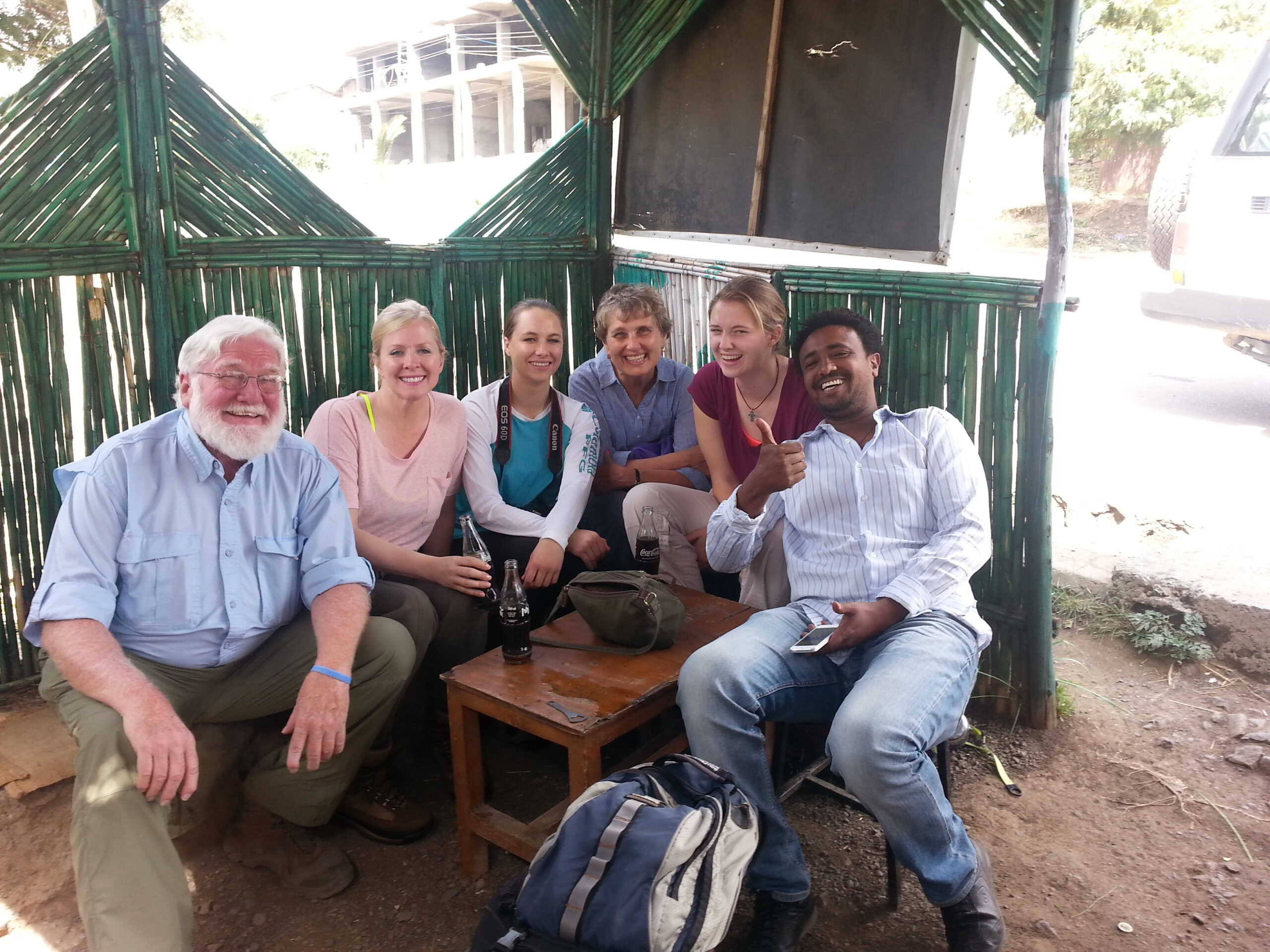
Would not have been the same trip without these wonderful humans. What a blessing each of them are!
I can’t put this experience into a few hundred words. In fact, I couldn’t truly capture this experience and what it has meant to me in an infinite number of words, but I can let it change me. I can let it fuel my fire to pursue a future working towards this cause that I’m so passionate about. And I can keep the incredible friendships and memories with me forever.
As I go forward with the rest of my fellowship, I’m excited to put the knowledge that I gained from this 3-week whirlwind adventure to good use. At least for now, I’ve found a niche where my engineering education and my passion for clean water meet, and I intend to take full advantage of this opportunity.
The magnitude of an adventure can mask the small personal areas of growth and discovery. As I embark on my 10 week fellowship at National Lutheran Communities and Services (NLCS) I realize the scope of experiences, new acquaintances, and potential the fellowship offers. I am spending my summer working at the Village at Rockville (TVAR), a National Lutheran Community located thirty minutes out of DC in Rockville Maryland. TVAR is a continuing care retirement community offering assisted and independent living, memory care, and short term rehabilitation.
My time is split between several long term projects. One of my main objectives focuses on the
development of a clinic expansion project at TVAR. Additionally, I work with the medical staff, including the Doctors and Nurses, to develop improved means of communication and documentation in the medical record keeping system. During my first two weeks, I have been introduced to many of the colleagues I will be working with at TVAR and in the corporate office. The staff is truly committed to enriching the lives of the residents and inspiring those around. The culture at NLCS fosters transparency and inspires me to think outside of what has been traditionally accepted.
I live in a cottage at TVAR, traditionally purposed for independent living residents. While my neighbors are from a different generation, the wisdom and hospitality they offer is unmatched. For example, the couple living next door has been married for over seventy years and refer to me as their “son”.
Living independently in a new part of the country, surrounded by an unfamiliar field of medicine, and given the opportunity to contribute to meaningful and important corporate projects, amplifies the scale of this fellowship. It is easy to become enveloped in the enormity of all the possibilities this fellowship has in store, dreaming about how my time at TVAR will impact the future. Yet with this mindset, the small personal areas of growth and discovery can often be missed.
To illustrate this point, my fellowship description did not include a project area that I strongly wanted to pursue. I redeveloped several of the objectives and presented my focus to the executive director who openly encourage the direction I desired to follow. Finding my voice in a new environment and position was a small area of personal growth in the larger journey.
The interactions I have with neighbors or the weekend trips into DC can easily melt into the grand scheme of summer. I am personally driven by moving on to the next plan or objective, and I miss those moments where I experience a small personal area of discovery. Taking the extra time to appreciate the moment and recognizing those personal discoveries is a primary focus of my summer. I hope to recognize the small areas that often go unseen, where I can lead and serve at TVAR and in my community.
On a different note, I am elated to serve at TVAR and absorb all that Washington DC has to offer. From the happy hours with new friends to Jazz in the Park, I look forward to relationships I build and the personal areas of growth that contribute to my ability to lead and serve in the future. Within two weeks, I am affirmed that my experience at TVAR will advance my quality of care as a future doctor and unearth new areas of personal discovery along the journey.
I studied abroad once and I took pictures and I told tales and I felt like a world traveler for some time. It’s funny how once you visit a place, you feel like you carry part of its culture as your own afterwards. Traveling seems so glorious, so surreal. And it is. It’s a beautiful way to step outside of your comfort zone and learn about things you can’t quite grasp behind a computer screen or even between the covers of the most marvelous novels. But the traveling I did in Europe was nothing compared to the traveling I do within the walls of a small office in Indianapolis.
I am going on my sixth week as an intern at Exodus Refugee Immigration through Valpo’s amazing CAPS Fellows Program. Exodus is a refugee resettlement non-profit that has been in operation since 1981. They began by resettling Cuban refugees, and have since helped refugees from all over the world. This past year alone they assisted nearly 900 individuals. My official department is in development and communications, which coincides rather well with my pursuit in international business. I’ve done a little event planning, social media posting, emailing, donation requesting, and so on. But outside of these normal communication roles, I have been introduced to a whole new side of the city I thought I had known my whole life.
My first day at Exodus I was able to help with an apartment set-up. We met at an apartment near my childhood home and walked into a space that would soon be home to a family of 8 just arriving from overseas. We set up a bed for the parents and then 6 more beds for the children. It was overwhelming imagining this family getting off their flight and walking into a completely foreign land, and then hopping in a car to head towards their new weird home in the part of the world that had always been the most normal to me. Since then I have been able to help teach English, smile and laugh with the most resilient and beautiful people I have ever met, and am even able to help mentor a new family one-on-one.
A lot of the work Exodus does is just kind of mind-blowing to me. It’s this small office space with almost 40 employees and a lot of interns, and everyone is always speeding off to their next location, doing whatever it is they are tasked with that day. It’s so beautiful there. I’ve found I work alongside a lot of everyday superheroes. These people do everything from teaching english, finding jobs for people, raising money, moving furniture, setting up appointments, and so much more. I always just say, “It’s a full-service kinda place.” You can walk into one room and there’s an official suit and tie meeting going on, and walk into the next and find kids playing with toys and coloring pictures of flowers and baby bears. It’s this kind of diversity that makes Exodus so special.
I feel lucky to be able to work with and for Exodus. It might be a small office that has no windows and a leaky ceiling, but it creates a home for people who really need one. In an interview with a local Indy paper one client stated, “When we came here, we had no friends and no family. We only knew Exodus.”
They always say an internship is where you do the real learning. I can’t wait to keep learning this summer.
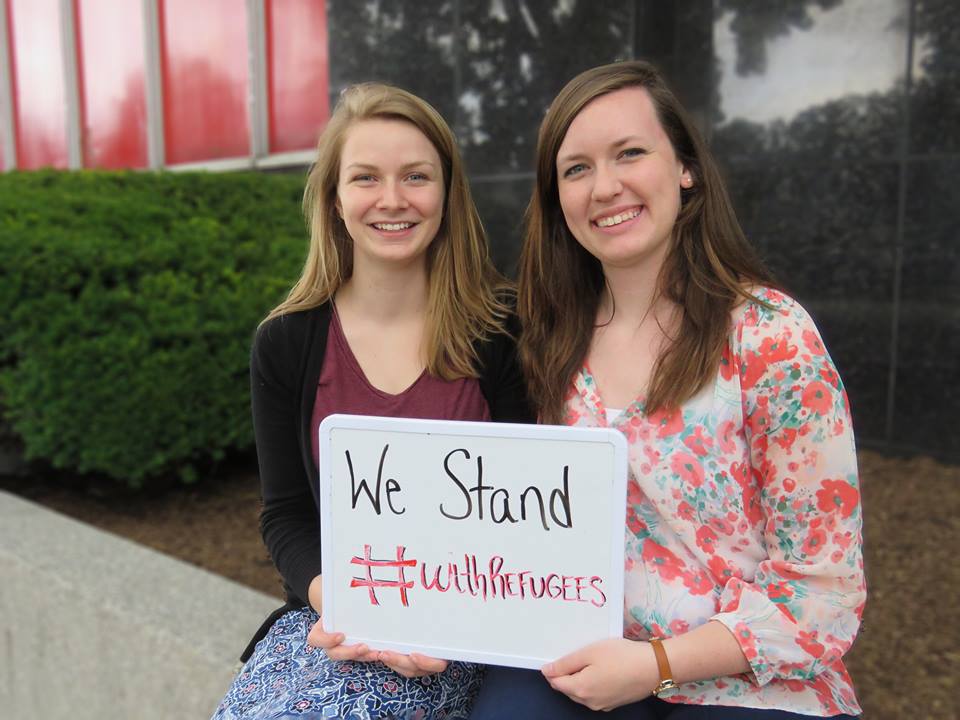
Last week marked my halfway point with the CAPS program and Lutheran Services in America (LSA). My first month in DC has been, quite simply, a whirlwind. From jazz nights to weekend markets, from baseball games on warm nights to shady lunches by the Capitol, my time here has been moving at an uneven pace, creeping along at some moments but mostly leaping forward in bounds. It’s been exhausting and wonderful. But it wasn’t until this last weekend, when I spent some time away from DC, that I understood what has been making my summer here so special.
I spent my holiday weekend in Houston (a city where the Fourth isn’t so much unique and glamorous as it is a slightly bigger show of Texas’ daily patriotism), and as I told my boyfriend story after story about LSA and DC, I realized a truth that applies to most great experiences: the people I’ve come to know here are what have made my summer so meaningful.
And so, reflecting on my first month in DC, I thought I would talk about a few of those people who have so positively impacted my time here.
Izzat
One of the first things you realize as a recent college graduate in DC is that good food costs good money. Heck, even bad food is expensive. Goodbye, reasonable Midwestern prices.
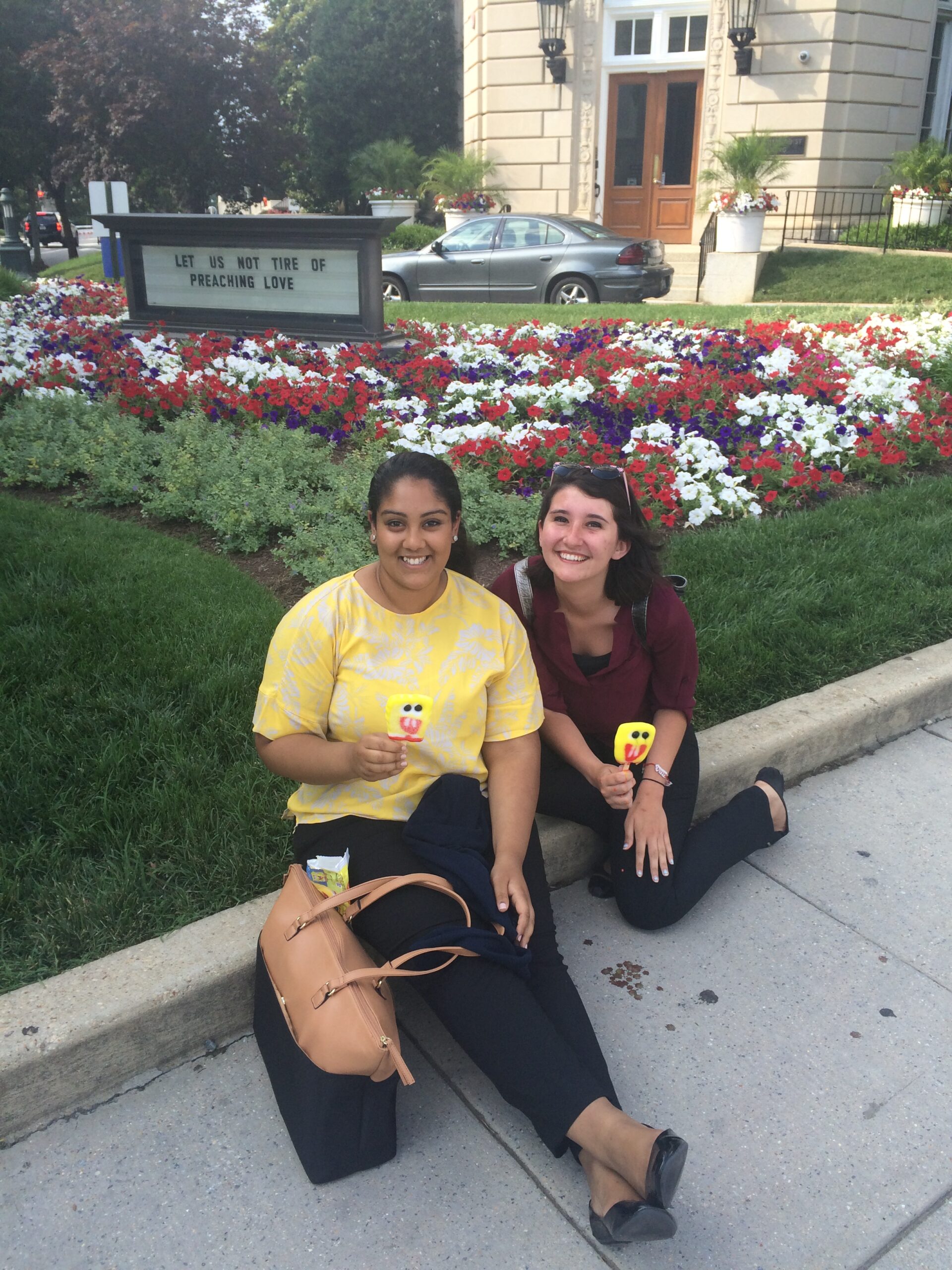
Nura and I with delish Spongepops from Izzat’s cart.
So when the man who owns the hot dog cart outside your work sells good food for $4 and then gives it to you half off, you know you’ve made a friend. More important than cheap food though, Izzat has extended to Nura and me unbelievable kindness and friendship. He talks to us about his family, gives us free ice cream after someone (Nura) drops hers 2 minutes after buying it, and teaches us words in Arabic, his native language. In a city where everything is fast paced and everyone is tuning the world out with earbuds, people like Izzat who take the time to have real conversations are immense blessings.
My Bosses
At first, I was intimidated by the fact I’d be doing work for four different staff members in two departments. I could easily picture becoming inundated with work, trying to please everyone but not knowing how to prioritize my assignments.
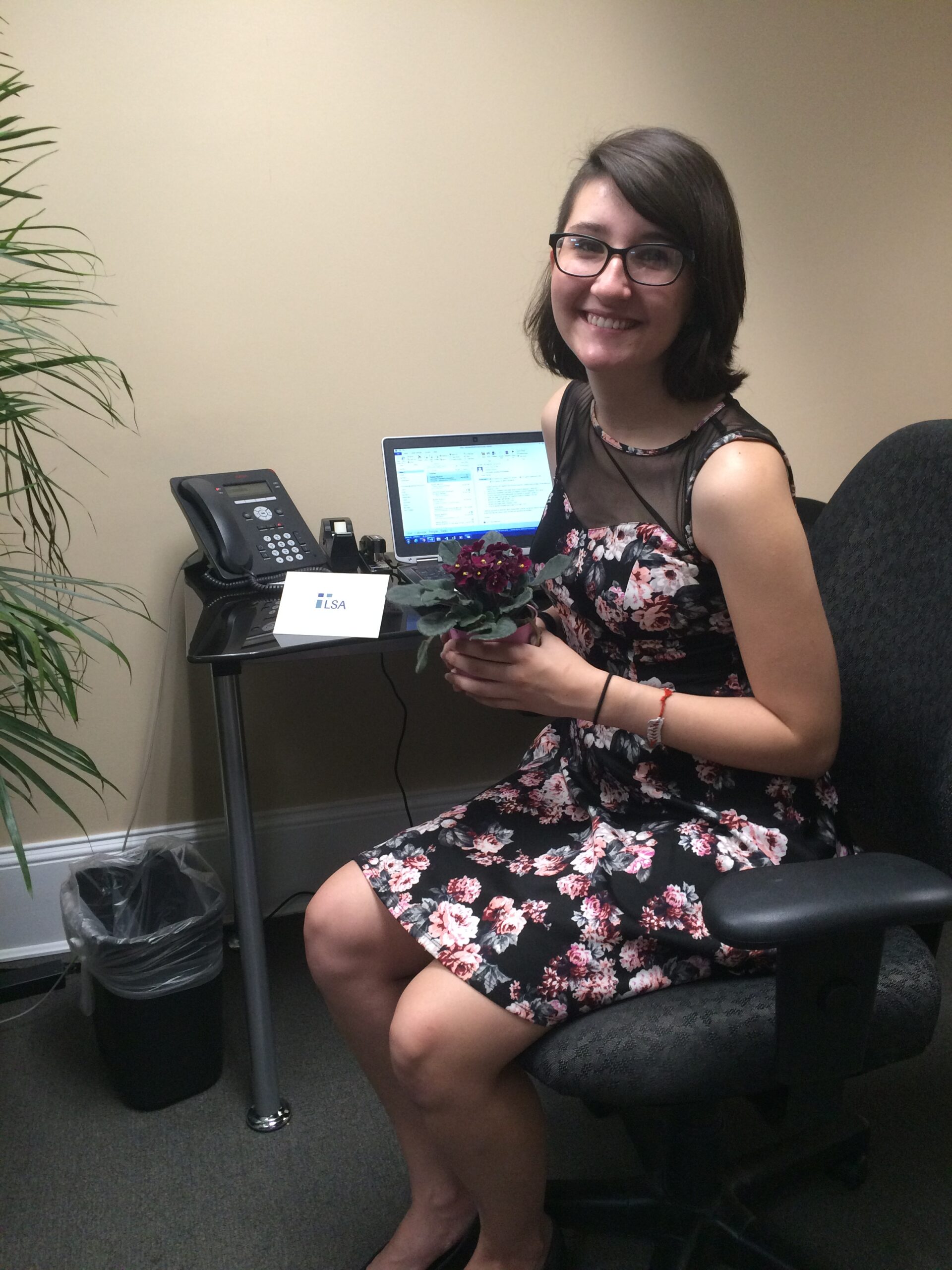
Me with violets Tania got me. They’re dead now. RIP Myrtle
But while prioritizing work has been a challenge at times due to my own inexperience with working under multiple supervisors, everyone has been incredibly helpful and communicative. They understand when I’m struggling or have questions. They encourage me when I’m insecure about my performance and give me solid advice for future work. They are what every intern hopes her supervisors will be like, though most rarely have the time or interest in being so present and supportive. So, thank you Natalie, Tania, Liliana, and Caleb. You’ve helped me grow professionally (and physically, thanks to Natalie’s Alpine chocolate).
Bill Clinton
Okay, I had to include him. You would do the same thing if he ambled into the Eastern Market while you were picking peaches (all right, Nura was picking peaches. I was sitting on a curb waiting for Nura to be done picking peaches).
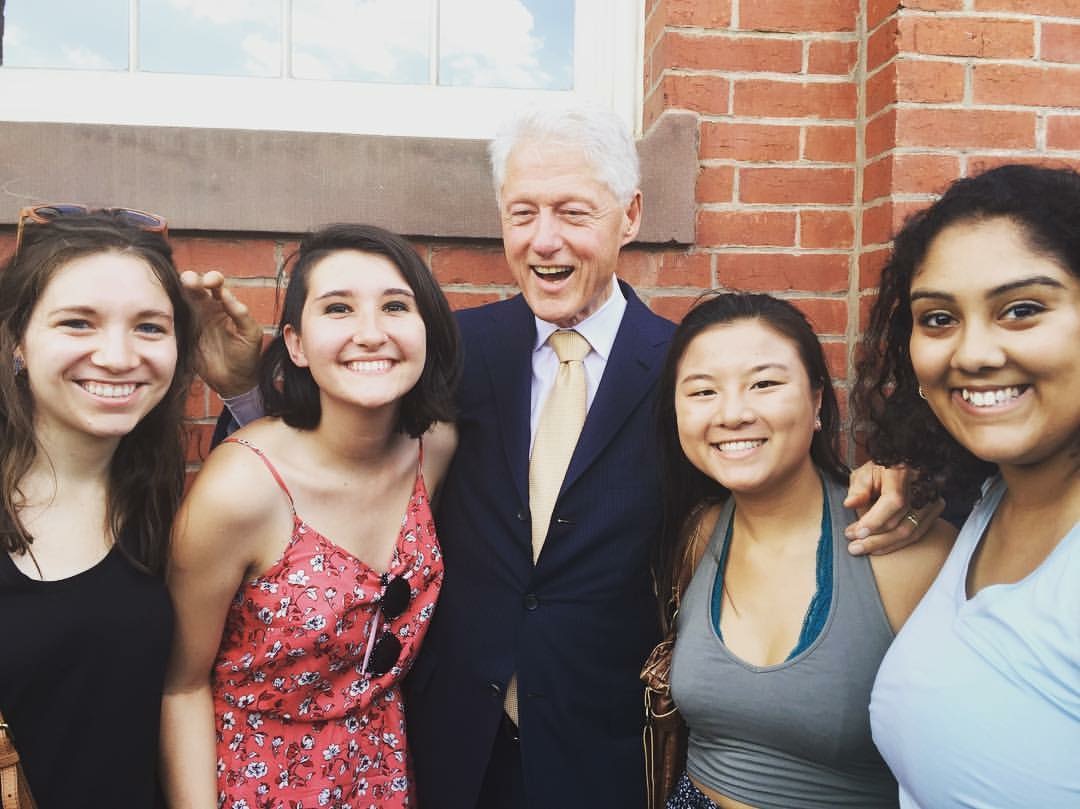
The most overshared photo I’ve ever been a part of.
It was a pleasure, Mr. President.
Katie & Kathryn
These two make up an integral part of my core friend group in DC. Though they’re both CAPS fellows (check out Kathryn’s blog), I hadn’t met them until this summer. And after a month with Kathryn and Katie, I don’t know how I got through 4 years at Valpo without knowing them.
They have taken me on all my favorite adventures here, including nighttime monument walks, cheese and wine parties in the backyards of bookstores, and a midday meet-up with our good friend Mr. Clinton.
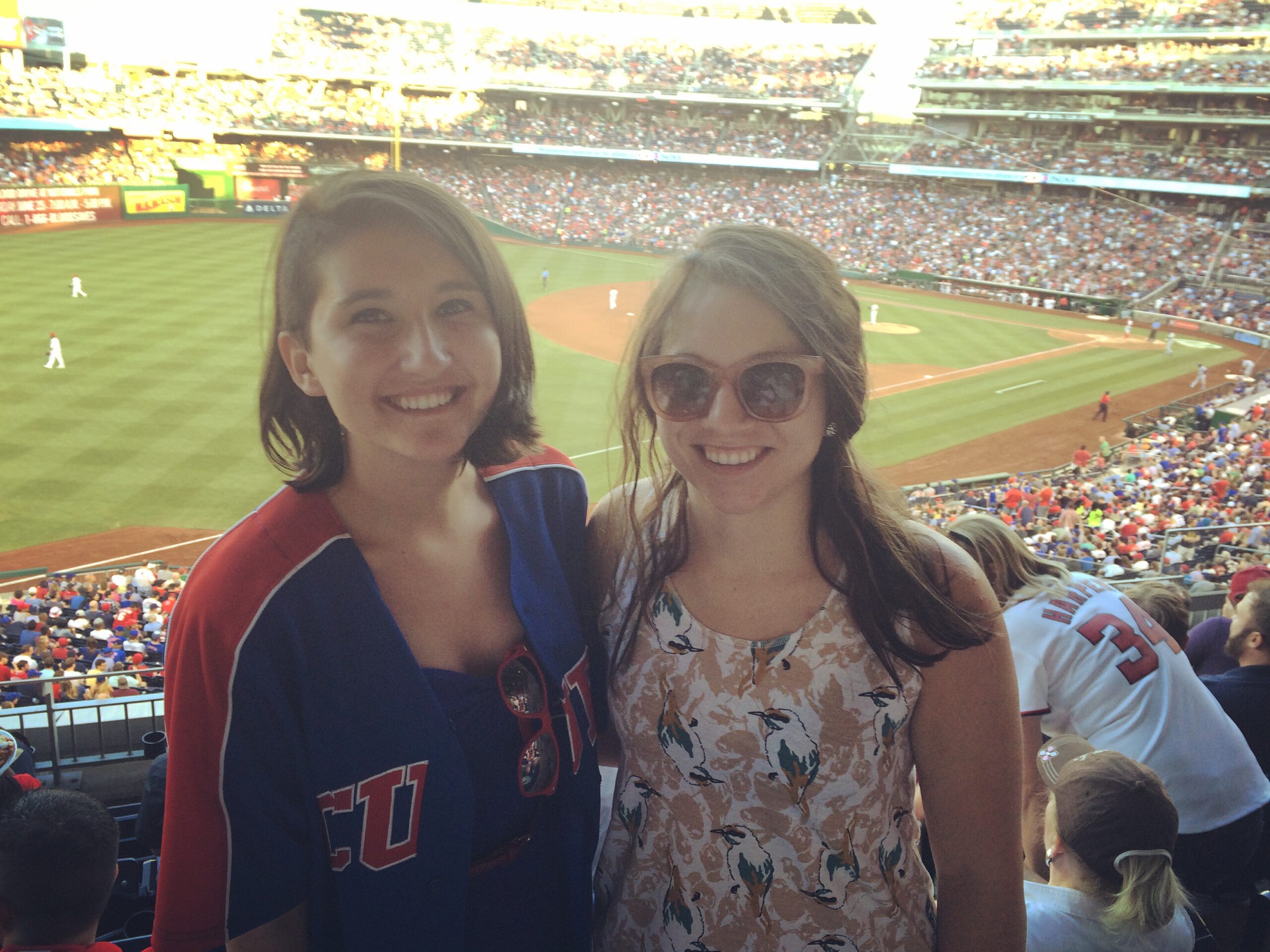
Kathryn and I watching the Cubs beat the Nats.
Aside from being my fellow adventurers, they have been amazing friends. Kathryn keeps me grounded when I get dramatic about things like late trains and bad weather. Katie gets me out of bed when I want to spend the day watching Mad Men. Both are amazing cooks (also contributing to my physical growth). I’m constantly thankful for these two and their friendships that I know will last long past August.
Nura
The star of many of my stories, Nura is my roommate, fellow LSA intern, and Valpo student body president (shameless brag). Before coming to DC, I would tell people at Valpo about my internship, and when I would mention that Nura was my roommate, there was always a resounding, “She is so cool.” And over the past month, I’ve come to realize what an understatement that is.
As I’ve gotten to know Nura (check out her blog too), I’ve been waiting for some dip in her character, some flaw that would make her a little more human. And besides being clumsy with food, I’ve found nothing. She has a beautiful heart, a sharp mind, an ambitious and humble spirit, and a true compassion for others. She’s also hilarious, an avid 2000s R&B fan, and political nut (seriously, she’s like a walking Facebook for the Who’s Who of Capitol Hill).
Thank you, Nura, for being the quintessential example of how bad experiences can be made funny and how good experiences can be made phenomenal when you’re with the right people.
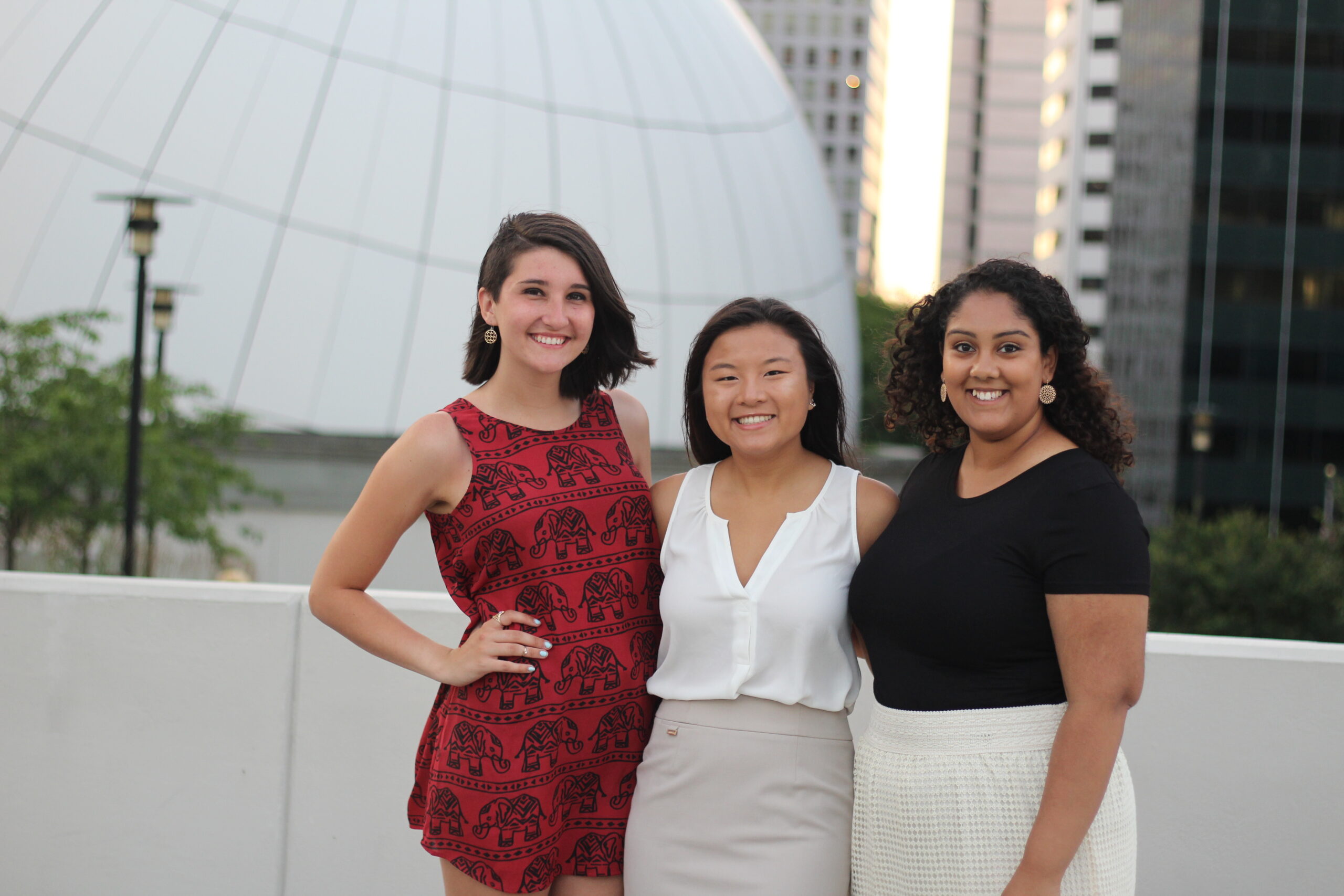
Katie, Nura, and I looking fly.
I can’t wait for what the second half of the summer holds.
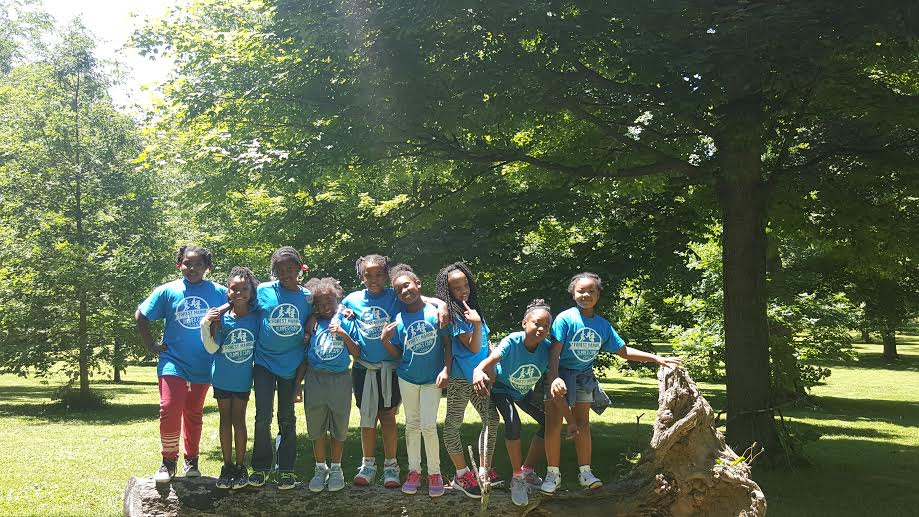
Before a few months ago, I had never thought too much of working with children. Frankly I had convinced myself that kids were like the plague and had to be avoided at all costs. So how does a recent college graduate end up spending her first summer post graduation with 2nd and 3rd graders all day? Well when realizing that I had been selected as a 2016 CAPS fellow, I was overjoyed. This was another opportunity for me to represent Valpo and gain valuable professional knowledge. As we received placement options, I began envisioning myself at multiple different organizations, all that would of course be a stepping stone on my career pathway while allowing me to serve. But then I had to sit back and truly think of what it means to be servant. Webster’s dictionary says it’s a person who performs duties for others. Most internships require you to “perform duties for others”, so I figured the definition of service in this context had to have a deeper meaning.
So I decided to search for an organization that would truly allow me to serve others. I happened upon Forest Manor Multi-Service Center in Indianapolis, Indiana. Forest Manor Multi-Service Center is a community based social service organization located on the northeast side of Indianapolis. The center by a group of concerned residents and was originally sponsored and operated by the City of Indianapolis. In 1977, the Center became a non-profit organization and in 1980, they began extensive, much-needed outreach programs to youth and adults. After doing more research, I realized that Forest Manor offered so many services to the community from after school programs to senior citizen programming. This struck a chord within me. This was my opportunity to actually be in direct contact with the community and see tangible results of that service. So after finding my placement location came the task of deciding which area in the organization that I wanted to offer my services. I could have easily been a receptionist but I thought back to the meaning of service and realized that this was not about me at all. This was about serving others truly and putting my wants on the backburner. Hence my decision to become a lead teacher in Forest Manor’s youth enrichment program. This was a chance to be a positive role model that so many of those children never get to see in their lives. So I put my pride aside and got down to business.
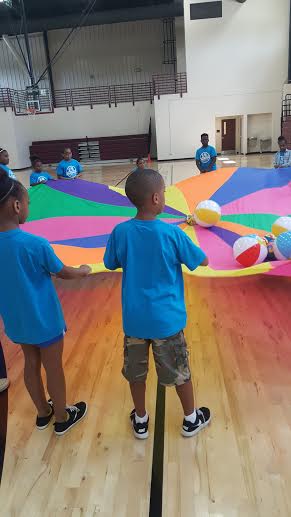
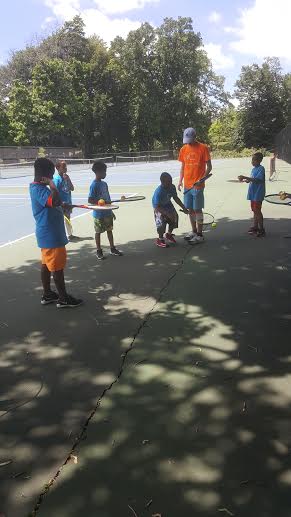
Being a lead teacher in charge of around 25 kids a day is a challenging task. This is not a job that you can be half-present for. I am constantly engaged nine hours a day and I am pleased to say that it is great! These kids push me to be better every single day. Having 25 young minds watch and listen to everything you say or do really keeps you on your toes. I’m convinced that children are the most brutally honest beings that exist! Four weeks into this experience, I can say that every day brings a new problem to fix, a different child to keep happy, and a new parent to face. I cannot wait to see what the next four weeks brings.
This week marks one month living and interning in our nation’s capitol. Each day begins with me walking wide-eyed up Capitol Hill as government buildings and monuments peep through the trees on my daily commute. I’m so grateful to be participating in such a fellowship where I live and work in intentional community.
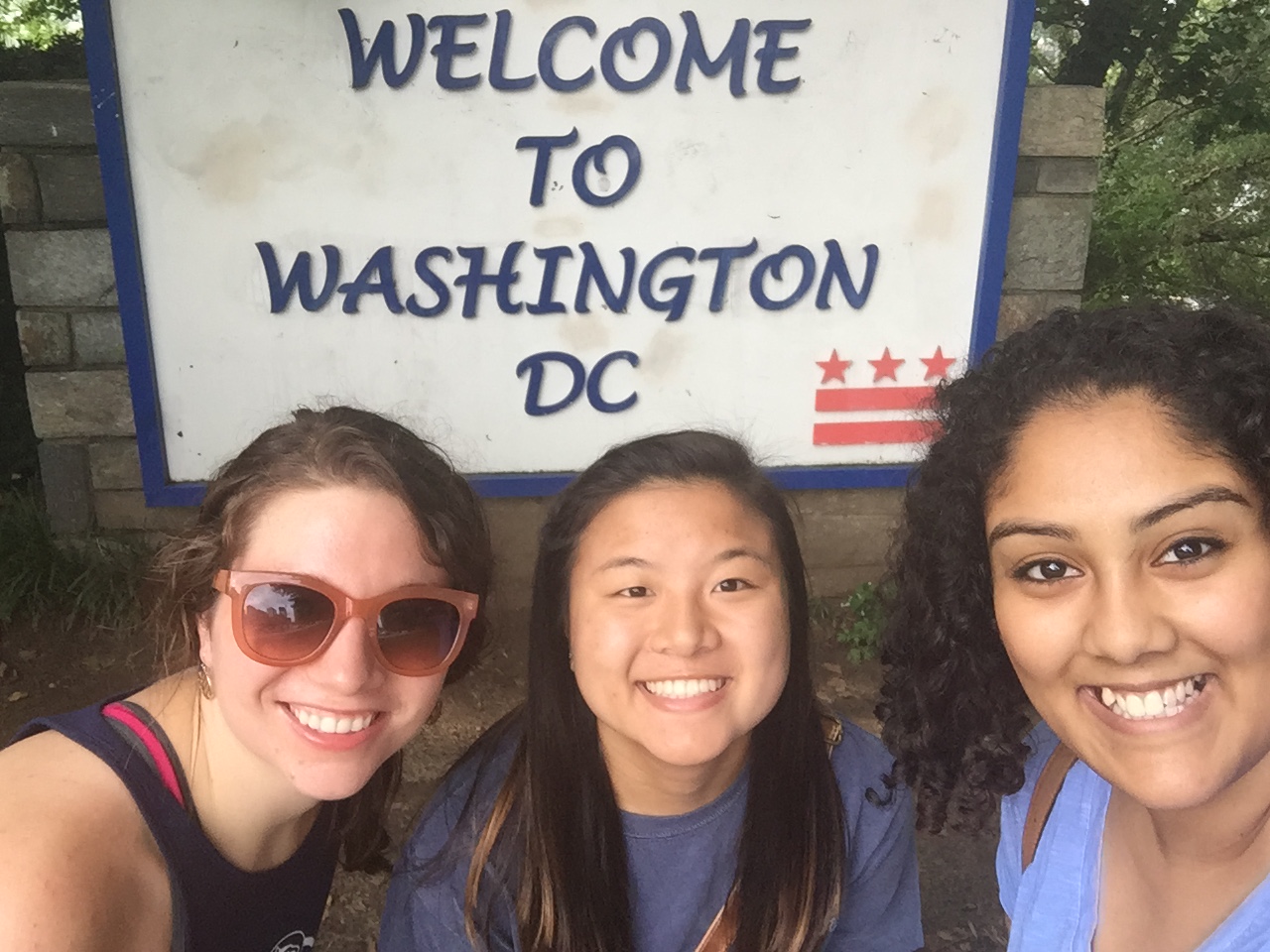
CAPS Fellows Kathryn Fogleman and Katie Wilson
Being the first of my suite-mates to arrive in the city set in-motion a series of ‘firsts’; my first train ride, first wrong stop on the way home (not all Metro lines are created equal), first to realize our door can lock on its own (it’s not a loss if you learn?) and my first fire alarm scare (if it’s not right when you’re ready for bed, did it really happen?).
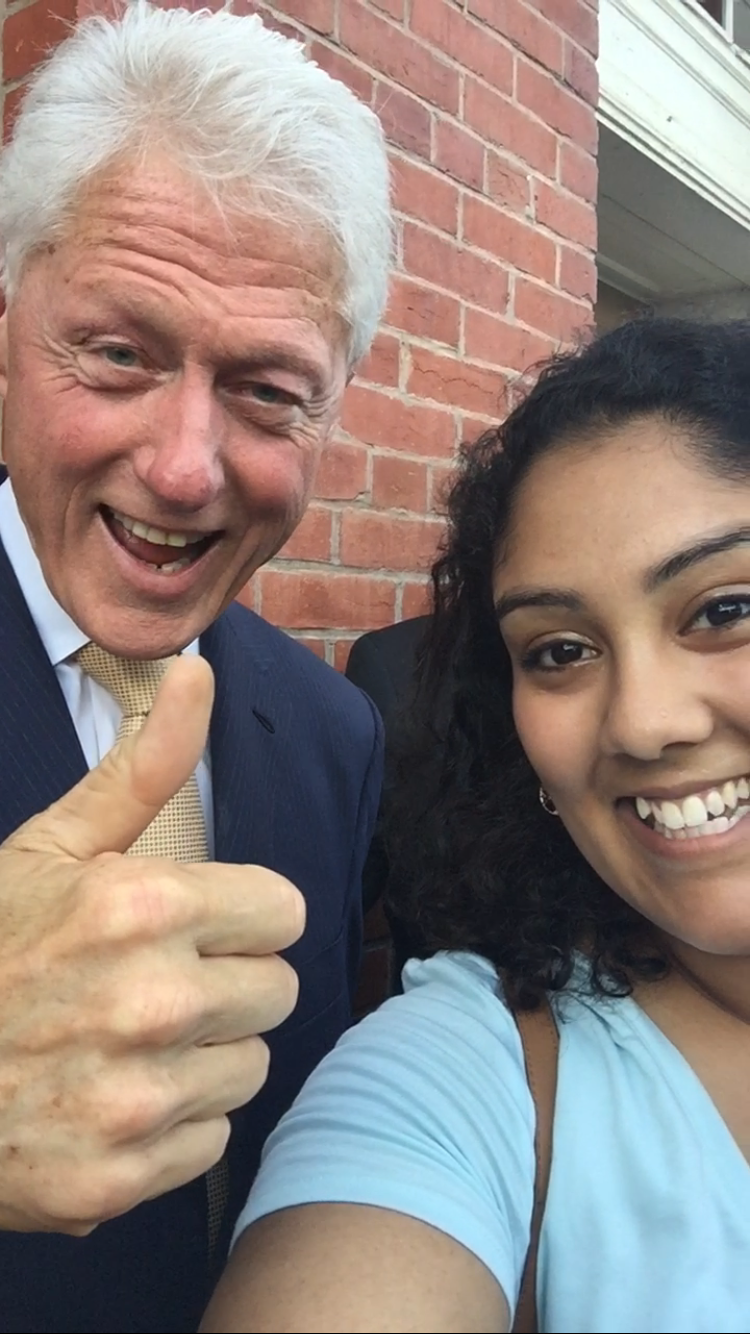
Running into Former President Bill Clinton at the Eastern Market while picking peaches (!!)
With those kind of experiences also came the first time I saw the view from our terrace at dusk, my first Metro card and ride paid for by a generous stranger, and being greeted by the kind man passing out newspapers each morning. It has not been overwhelming as much as it has been full. Full of small successes like locating the trash chute on our floor opposed to walking downstairs (we’re on the 10th floor), stunning views (the Lincoln Memorial has to be seen at night), and surprises like no other (there are some very important people walking around DC).
Amidst this grand adventure of living and interning in a new city where I want to share with others the excitement that I’m feeling and document the moments I’m witnessing; our nation is also experiencing moments that require pause. In the past few weeks, my roommates and I could not help but stop while in the thick of our plans to discuss the news updates we’ve received of some of the worst accidents and acts of violence we’ve seen in recent history. Waking up to CNN News updates our iPhones, we’ve started our days receiving first word of events that rock us to our core. There are far too many incidents hitting us at once to brush them off as a loss like any other. This particular series of misfortune is turning into a season of grief that doesn’t allow time for healing before it strikes again. I’m glad to have my suite-mates to talk with and process these events together as we feel strongly about them. It is only natural to feel emotions of anger, horror, disgust; those feelings are warranted. However, I cannot help but feel that they are not an end in themselves; that we are not moved to merely feel, but moved to do. Our response to such news should be more than just reactions, they need to be actions.
Once such incidents have gotten our attention and we’ve been provoked by the devastating actions of others, we too must seek attention to shine light on the good that is being done around us.
If we stand for love, or justice, or hope, we should be as diligent as those opposed in seeking to represent these values in the world.
What I’ve experienced interning at LSA this past month has been a glimpse of such values in action. Lutheran Services
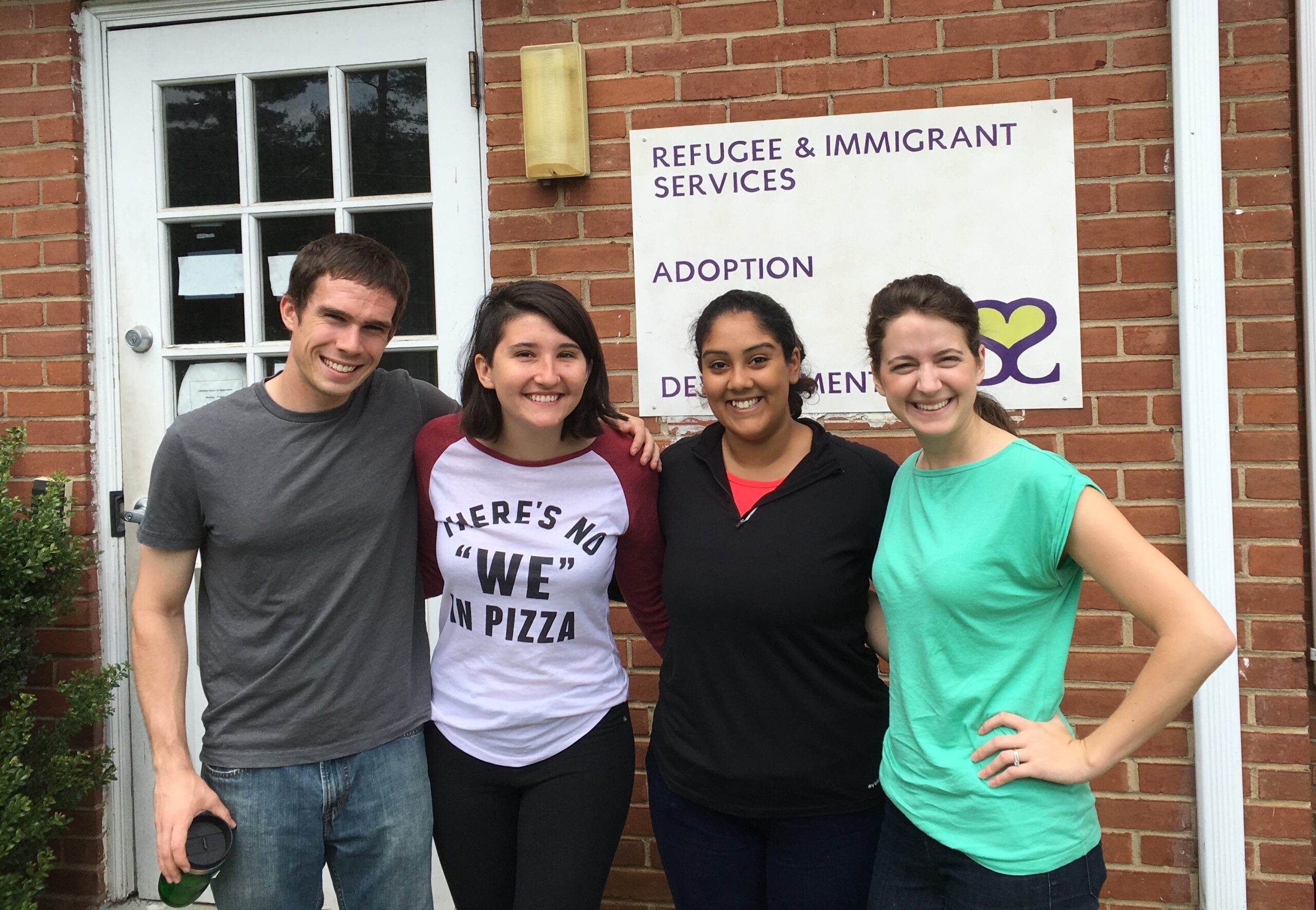
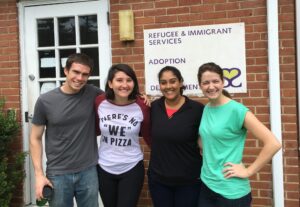
Visiting LSA member, Lutheran Social Services in Falls Church, Virginia for a day of service organized by former CAPS Fellow, Caleb Rollins
in America is an inspiring place to work because it is made up of people whose actions directly support those doing good work throughout the United States. As the Member Engagement and Advocacy Intern, I am learning how LSA seeks to best serve their members, and by extension, those most vulnerable in their communities. With over 300 organizations throughout the country, their presence as health and human service providers is wide-spread and far-reaching. Through advocacy, LSA takes stances on issues that matter to those they affect to promote and propel a voice for good in a place like DC where big decisions are being made. The people here truly care about the well being of others and nothing proves this more than their actions day in and out to create the change they wish to see in the lives of those they serve. Now that’s newsworthy.
There are many things in this world that we have no control over. What we can control are the actions we take and the impact they make. This first month has been a reminder to me that I should not hesitate to do good wherever I go. Good does not just have to be reactionary or in response to harm- it can also be proactive and purposeful. As I begin my second month with this wonderful community at LSA and in this city of opportunity, I will not forget to add among my plans to do good.