

In times of uncertainly and confusion, a person desires nothing more than the calming kindness of a stranger or a neighbor, who generously offers assistance, support, and understanding. This is the ministry of hospitality. I experience this ministry every Friday when I spend my day at ICDI’s House of Hospitality, where I help the men living there with school assignments and learning English. The house, located in Cicero, IL, is for men who have been released from detention and have no other place to go upon their release. Upon hearing this process for the first time, I was awestruck by the unpredictability of it all. Dropped off on the corner of 101 West Congress, these men, uncertain of their surroundings but certainly confused on what to do next, are approached by a stranger who knows their name and nothing else. The stranger ask them to get in the car so they can take them to this mysterious house that their legal counsel has told them about. The men agree and the ministry of hospitality begins. Once they arrive, the new residents are given basic necessities: a small room to live in, clothes, hygiene products, and a small stipend for public transportation. Most, however, send a portion of this stipend to their families back home. I was more inspired by the hospitality extended to these men; yet, the residents also illustrate the ministry of hospitality in a miraculous manner.
The house is by far the most diverse place I have ever been. Fifteen men live in the home and more than 10 countries, spanning from China to Ethiopia and many places in between, are represented. All the men are bilingual and many are trilingual, yet levels of English vary the spectrum from minimal to superb. Communication, however, is not stifled by the barriers of language or culture because each man in the house extends hospitality to one another. It is as if the ministry of hospitality becomes a universal language they everyone is able to speak. All of them are separated from their families. All of them are living in an unfamiliar place. All of them are painstakingly waiting for some sort of status or permit to come from the immigration system. Many have been waiting for more than a year and a half, and the waiting will continue. The men deeply comprehend each other’s situation because they too are living the same reality. It is the shared experiences of restlessness in their waiting and anxiety about their futures that allow for the ministry of hospitality to be exercised freely. I will provide one example.
Headed to the house for the third Friday in a row, July 17th was a steaming hot day with spectacular sunshine that Chicago had not seen all summer. As I walked in, a delicious scent of spices and smoke coming from the kitchen filled the house. I followed the smell to find a feast being prepared by Ray, who is from Rwanda and no stranger to the kitchen. I have seen Ray preparing something or cooking a meal each of the previous Fridays. Each time he offers me something to eat or drink as soon as I arrive. I asked Ray what this feast was for. With sweat gleaming from his brow he told me that today was the beginning of Eid, which is the celebration that occurs at the end of Ramadan, a month of fasting and prayer for Muslims. Ray said the Muslims in the house were downtown praying and they would be hungry when they returned. So I asked Ray how I could help and the only thing he wanted me to do was test the food. The food was almost complete when the Muslims came back drenched in sweat and in obvious need of water and food. To their surprise, Ray had prepared a feast fit for the whole house so that all could join in their celebration. The table was set, the food cooked, and hospitality was served.
The most endearing aspect of this story was knowing that Ray is a Christian. Most Christians I neither know what Eid is, nor have they ever sat down for a meal with a Muslim. Yet, Ray understood the significance of the day, he understood his fellow residents of the house would be hungry, and he understood they needed food. And so he cooked for them. The Muslims did not ask Ray to prepare a feast full of chicken, beef, rice, salad, and soup. Instead, Ray used the ministry of hospitality to invite his neighbors to the table and join in a celebratory feast of both Eid and brotherhood. As ten men, some Christian and some Muslim, from numerous countries sat around the table, I was able to witness and experience the ministry of hospitality in a way that most people never will.
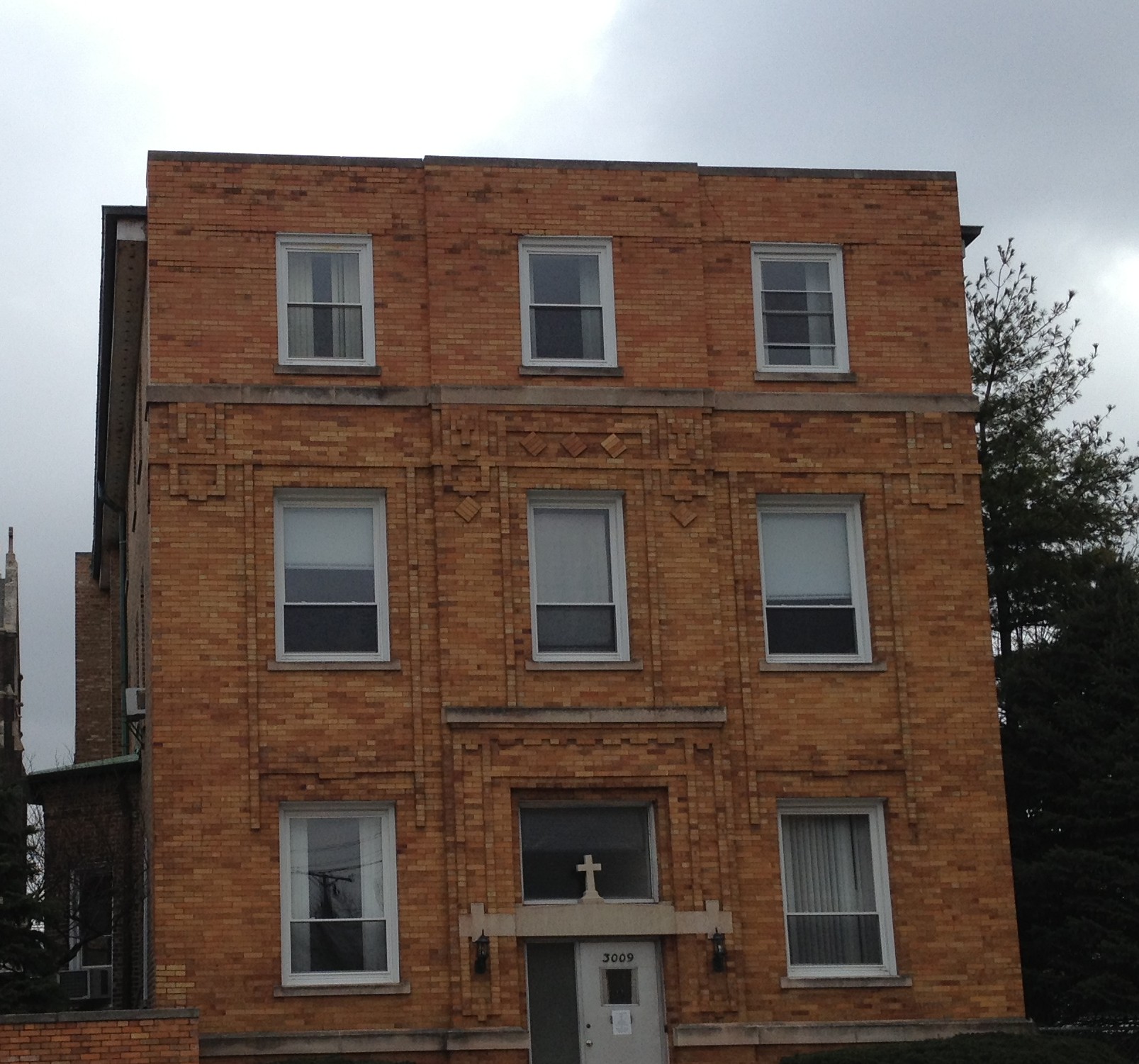
Opened two years ago, the Marie Joseph House of Hospitality for Men is home to 15 men representing more than 12 countries.
Interning with the Interfaith Committee for Detained Immigrants is unlike any internship I could imagine. Most internships focus on the completion of a project or report that will be of some use for the organization and display the impressive new skills or information the intern has gathered. However, this is not the emphasis of my internship. My role at ICDI is to experience this ministry of hospitality and solidarity. I will not leave with a specific task done or a tangible goal achieved. I will leave, however, with stories, relationships, and experiences: stories of remarkable encounters such as this one, relationships with the unlikeliest of people, and experiences that will shape my thinking from now and forevermore.

The past 8 weeks interning in a senior living community have been eye-opening in several ways. Many residents have passed on even during my short time here, serving as a constant reminder that death is a constant presence in this environment. I have learned about the multi-faceted operation that makes up a nursing home. Housekeeping, laundry, accounting, legal support, janitorial services, and even a person for medical supplies are needed to keep it going.
Recently, since many of the departments have run out of things for me to do, I’ve been spending a lot of time with my boss in his office. Some of the most personally enriching moments of the fellowship have been the conversations we’ve had on a variety of business topics, from the nature of healthcare to career and leadership advice. My final major trip with him was to the Accountable Care Organization (ACO) meeting at St. Anthony’s Hospital in Crown Point. An ACO is a concept created by the Affordable Care Act that encourages different health institutions to collaborate and reduce the cost of care. We represented one of several nursing homes/rehab hospitals in the ACO. Patients from St Anthony’s needing long term care are sent to one of us to maintain consistency and ease of follow-up.
I’ve also done some soul searching as I’ve been immersed in long term care, and I’ve decided that this field is not for me. This conclusion is based on a variety of factors: 1) The license exam to become an administrator is very difficult and is roughly equivalent to nursing boards. Both the state and national exams must be passed, and it is quite common for takers to fail them. 2) Once an administrator is licensed, he or she is constantly put in a no-win situation where the state, residents, families, and staff must be kept happy when it is impossible to keep everyone happy. As someone who is not naturally a people-pleaser, I have learned that I’m not wired to be an executive of a care center. However, I would excel in the role of department head, in which I would lead a specialized section of the operation. While my future calling and purpose in society is not in the field of my internship, I am nevertheless grateful to the Institute for Leadership and Service for the opportunity to discover that early on.
This isn’t to say that it was all work and no play. As I mentioned in my last post, my boss invited me to go sailing with him and some of his crew on Lake Michigan. On the second to last day of the fellowship, we left from Belmont Harbor in Chicago to go on a 3 hour cruise on the lake. I learned about sailing terminology and how teamwork plays such a pivotal role in sailing and in leadership. I also got some pretty cool pictures of Chicago from the boat. It was a great way to wrap up a fantastic learning experience.
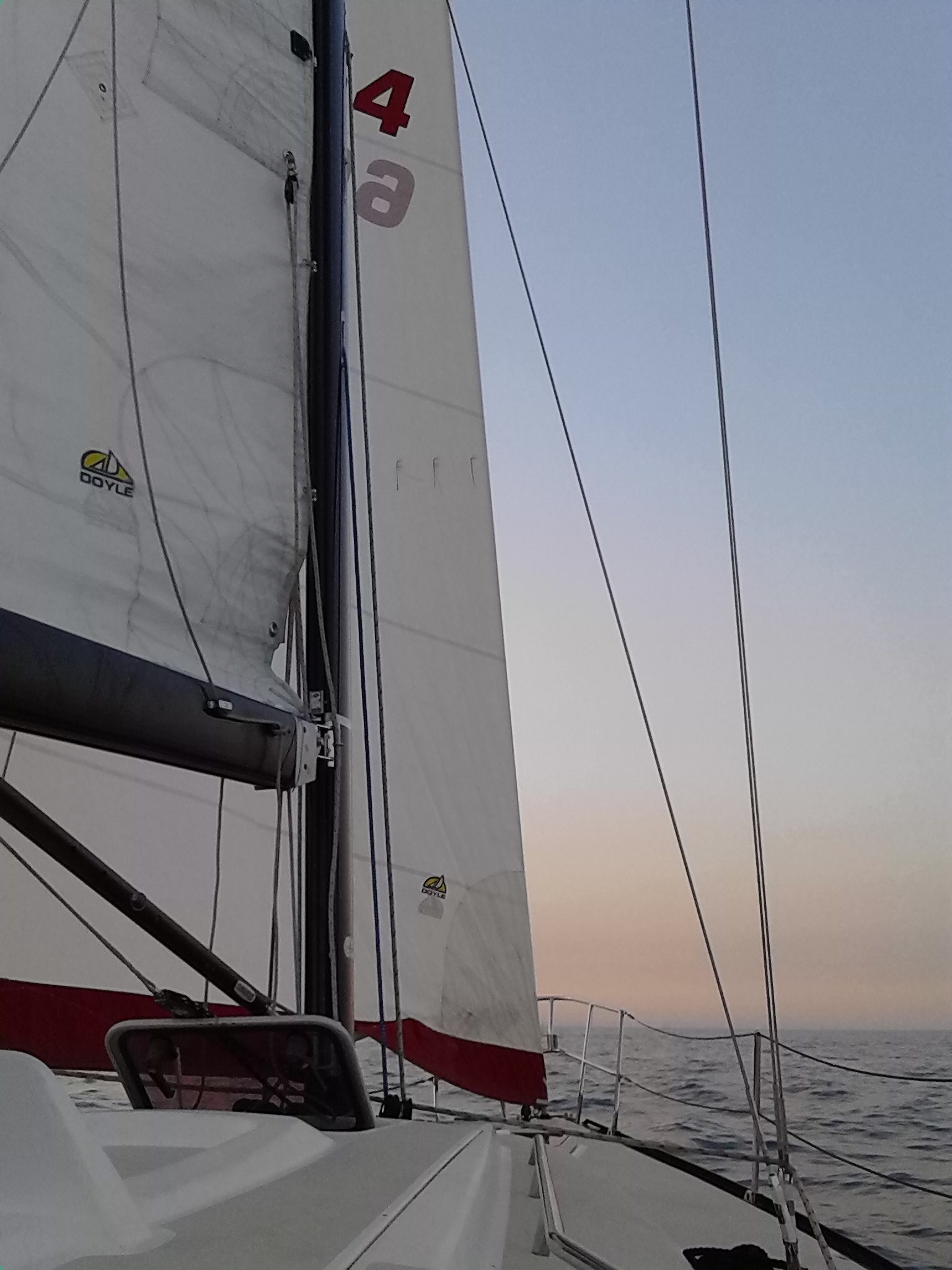
The front of the sailboat going out into Lake Michigan

The view of Chicago from the sailboat
We’ve all heard the saying before. We refer to our best friends’ families, our church congregations, fraternities and sororities, and even our campus communities as our families. So to me, one of Horton’s Kids’ mantras, “like a second family..”, may be more accurate if it were described as a fifth or sixth family.
I have an incredibly loving, supportive, and close biological family at home. I would not be who or where I am today if it were not for my mom, dad, and three brothers.
I have an inclusive church family, as well. They not only have taught me countless lessons through the years but continue to send encouragement and hope.
I go to (in my slightly biased opinion) the greatest school possible, and am surrounded by friends and professors that continually motivate and push me to grow.
I am a very proud member of a phenomenal group of women. The Alpha Lambda Chapter of Chi Omega has undoubtedly shaped me into the woman I am becoming and has provided me with sisters to be there every step of the way.
I’ve spent the past two months living in an apartment with three of the greatest people I have ever met. They lended a listening ear, genuine excitement, and never ending love day in and day out.
Last, but not least, I’ve spent the past two months working in a community center, located inside of a housing project in DC’s Ward 8. Through that time I was blessed with the friendship and company of youth- from ages 4 to 17. I would not be who or where I am today if it were not for them. They not only have taught me countless lessons, but sent me off with encouragement. They continually motivated and pushed me to grow. They shaped me into the woman I am becoming. They lended a listening ear, genuine excitement, and never ending love- day in, and day out.
I am all too clearly aware that to these children, Horton’s Kids is truly a second, not a fourth or fifth family and source of love and support. And for many, it is a first. Looking back on each individual, group, and family that has helped me grow into a passionate, hard-working young woman, I quickly become aware I would not have been able to become so on my own. I’m sure most of you can look back on your life and say the same.
Unfortunately, not all children and young adults are fortunate enough to have several or even one solid support system. However, I am proud to say, with complete confidence, that every child in Wellington Park has at least one family that is there to motivate, love, and encourage them in Horton’s Kids. I am proud to say I am a part of that family.
Now, I’ve never been good at leaving. Summer camp in 7th grade, high school graduation, freshmen year move-out day… they all left me longing for just a little more time with whichever family I had become most recently attached to. This, however, is by far the hardest “see you later” I’ve yet to encounter.
Finishing my time at Horton’s Kids is leaving me a very strange combination of empty and full to the brim. I know that my efforts were appreciated. I received letters, crafts, going away cards and thank-you’s that showed genuine appreciation. One of my high school students came into the center this week immediately after finishing an interview at Chipotle.
“Anna, Anna, guess what?” Jermekkio began while walking through the door in a plain t-shirt and khaki pants, button-up shirt in hand. “I just left my interview, and they asked me the same questions we went over in the lesson yesterday! The exact same ones… I’m so glad I knew how to answer them. I also tucked my shirt in, took notes, and remembered to keep my eye contact!”
I’ve never felt more full.
At the same time, leaving hurts. These kids are the ones I’ve spent the majority of my summer with. I’ve grown to love them. I feel so called and drawn to the youth of this community that leaving feels wrong. Doing anything but this every single day doesn’t sit quite right with me.
Another one of my high school students wrote me a letter beginning,
“Dear Anna, Why do you have to leave so soon? You could’ve stayed a little longer..”
And while I wish more than anything I could stay a little longer, I am confident in my calling and know I will be back soon.
So, with half of my very full heart still with the kids in Anacostia and half on my sleeve, I’m headed back to finish my education at Valparaiso University. I feel very deeply blessed by my experience this summer and am filled with hope and excitement for the future.
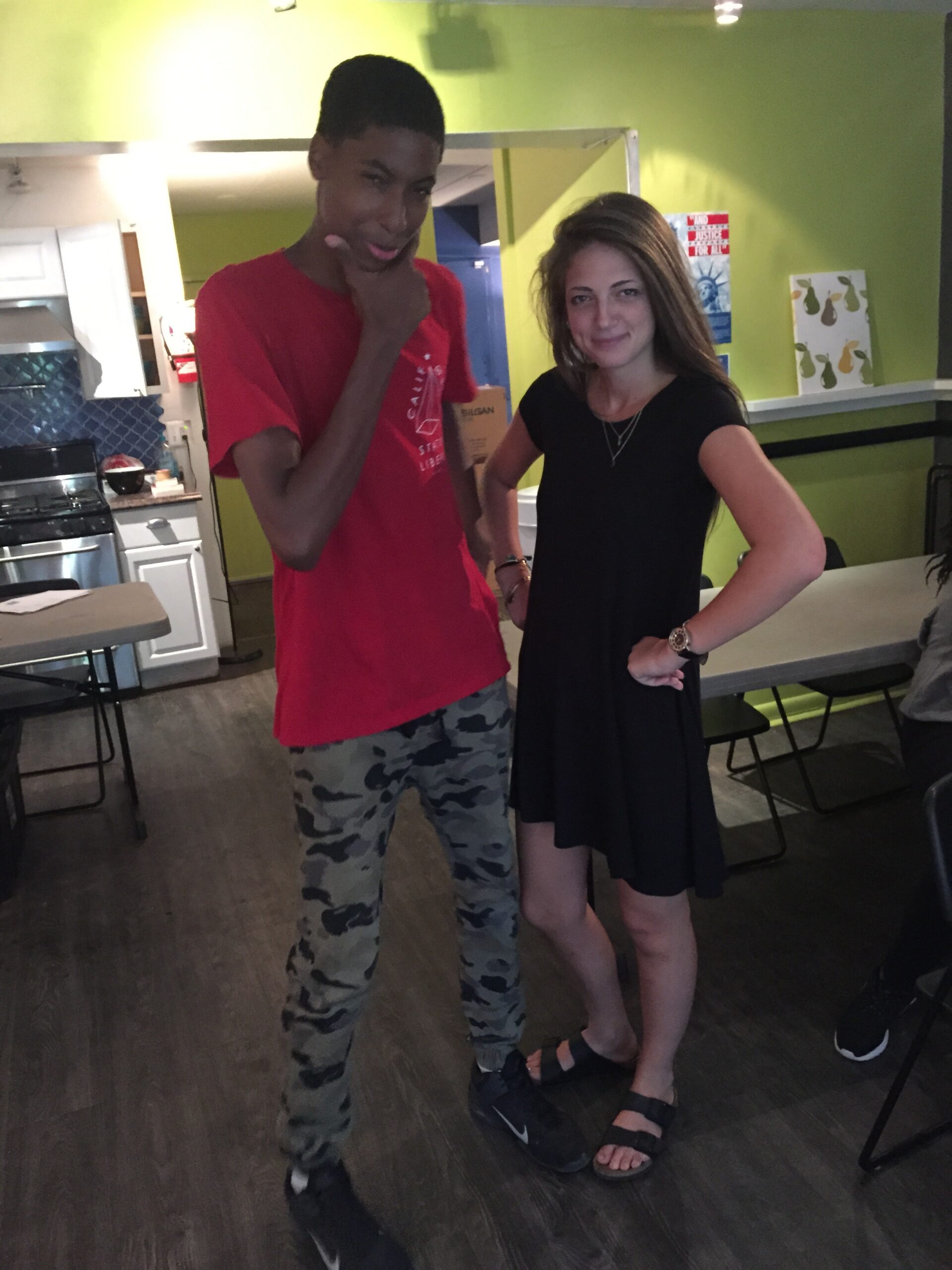
15 year old Jerrod
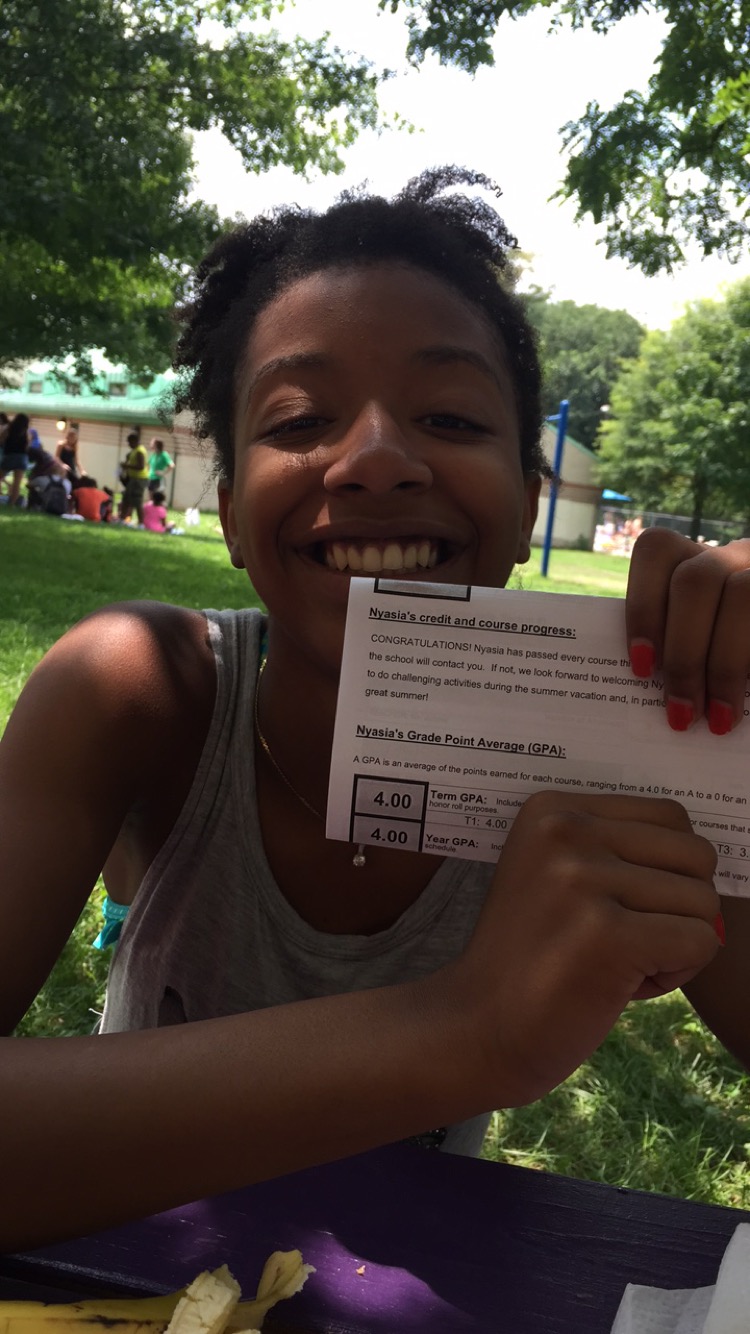
15 year old Nyasia showing off her 4.0 GPA
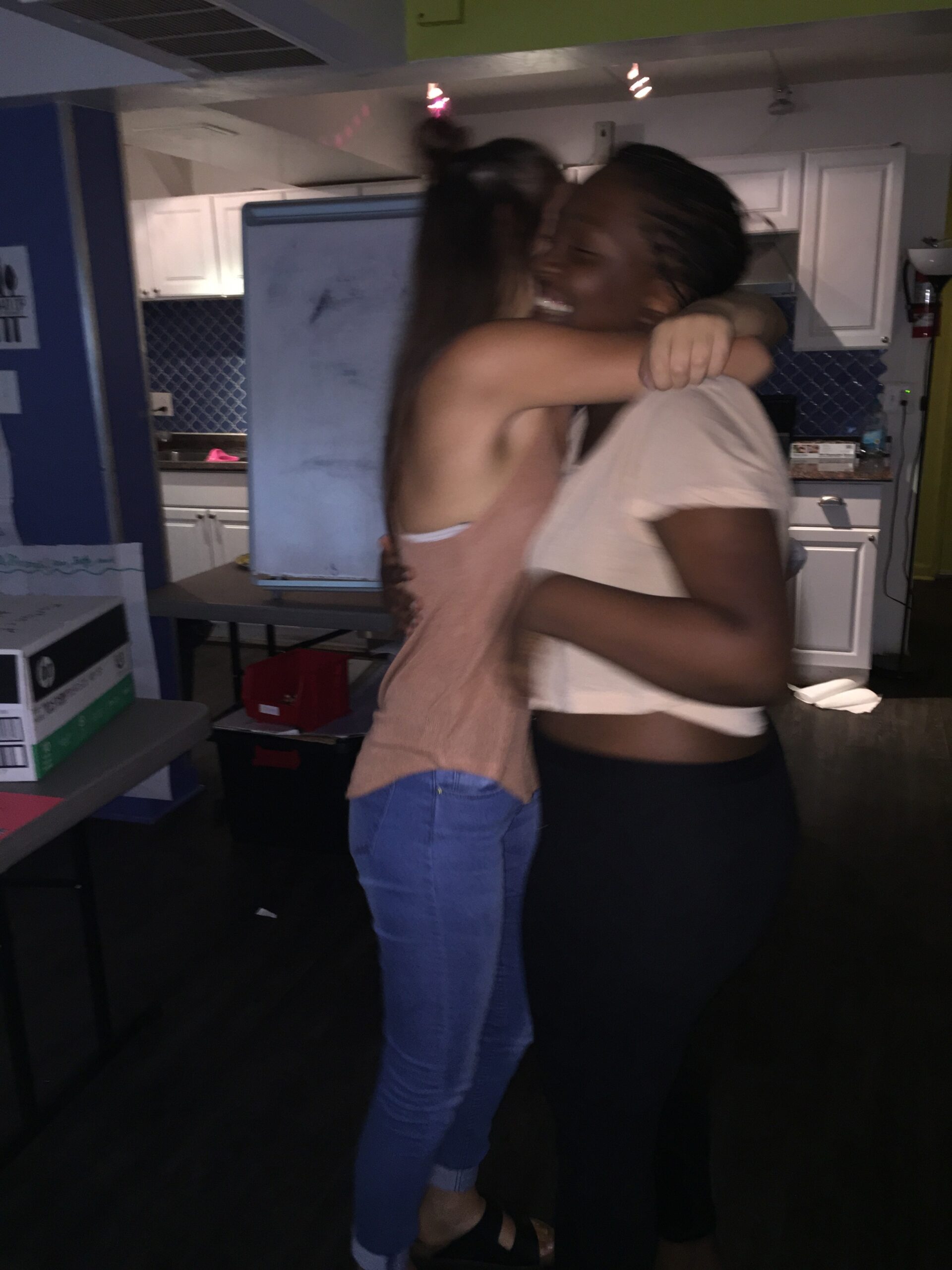
13 year old Emani before going to Camp Kiniya
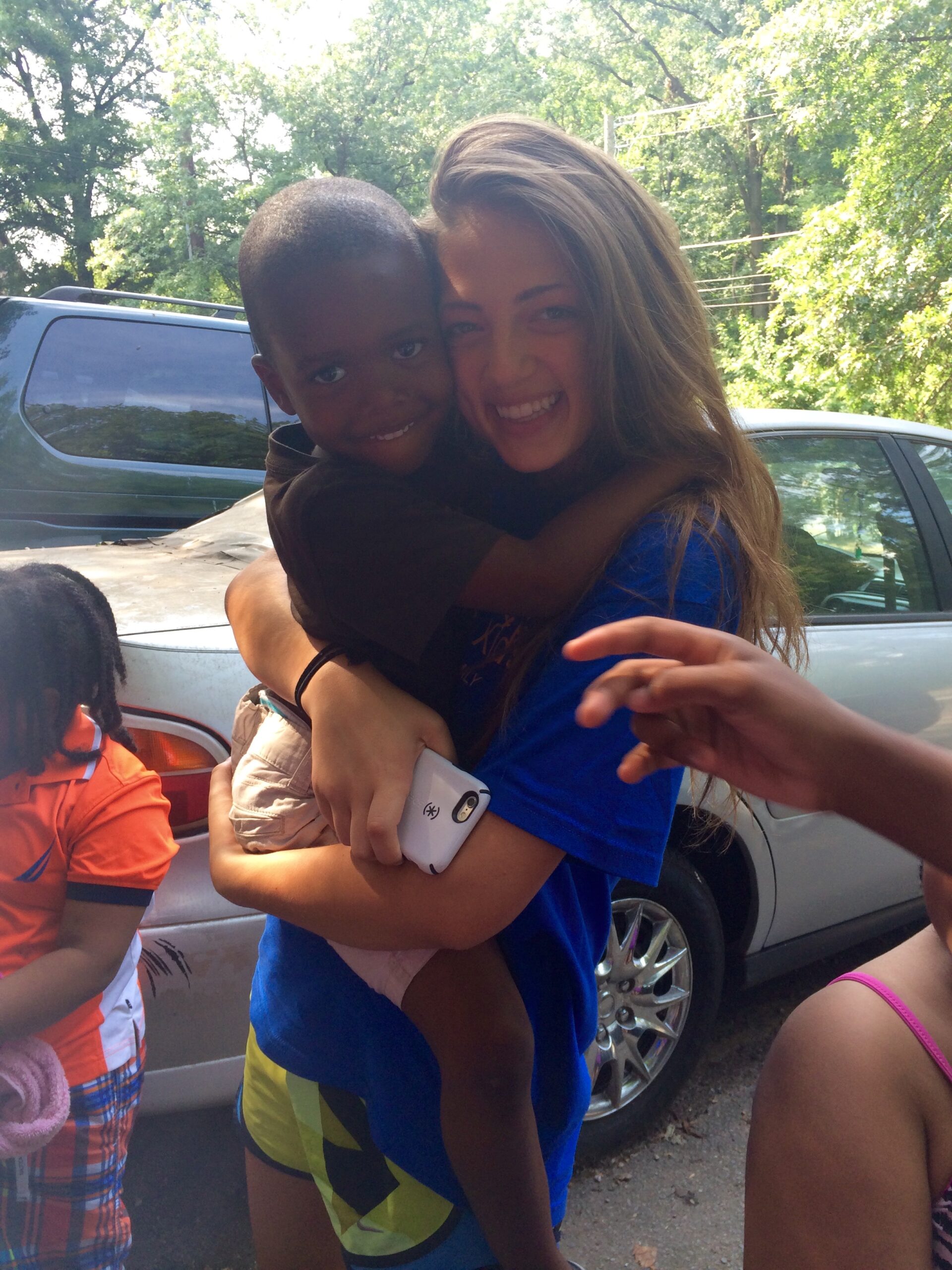
4 year old Isiah at the Horton’s Kids ice cream party
In the opening introduction of the book Road to Character, author David Brooks makes an important distinction between two kinds of virtues, résumé and eulogy virtues. Résumé virtues are the list of items typically seen on your own personal résumé, the skills you bring to the job market, the ones that aid career success.
Eulogy virtues go deeper. They are those virtues that get talked about at your funeral. What relationships have you formed, whether you are brave, honest, kind, faithful, or patient. They exist at the core of your being.
Most of us would agree that these eulogy virtues are of greater im portance and worth than the résumé virtues. Yet, I know that I focus more time on my résumé virtues and developing those than my eulogy virtues. I also believe our education system and society put a greater emphasis on those résumé virtues.
As my internship has come to a close with National Lutheran Communities and Services, I am grateful that I have become aware of this distinction between virtues. But better yet, I have been blessed to see examples of people who, while possessing these résumé virtues, have instead shown us time and time again that eulogy virtues are those that will have a lasting impact.
In the process of saying my goodbyes to those in the office that have made such an impression on me, I made the comment that I was grateful how everyone had gone above and beyond these past eight weeks to make our internship team feel so welcome. That person’s responded in a matter-of-fact tone, “No I don’t think so.”
As I thought about the exchange, the initial surprise of that comment, and th e tone in which it was said, still resonated with me. Throughout our summer in Rockville we were treated to numerous meals, a Nationals baseball game, we were taken sailing on the Potomac River, the CFO took three hours out of his day to speak to us about accounting and finance, we witnessed a board meeting, and more importantly than all of those events, we worked everyday with people that were always ready and willing to humbly share their wisdom. Of course they went above and beyond.
In truth, National Lutheran Communities Services went above and beyond only my expectations. I had in my mind the average experience of an intern and came into the office thinking that was what was in store me. The people in the office had another idea of what it meant to host an intern. They believed it was more like welcoming someone into a family; in fact, our supervisor playfully called us his “kids.”
The eulogy virtue of generosity was apparent in my summer. Generosity is one core virtue of National Lutheran Communities and Services. In the future, as I look back on my experience, that virtue will stick with me. In turn, I hope to welcome people who do not expect it the same way that I was this summer. It is just one way I can try to develop my eulogy virtues.
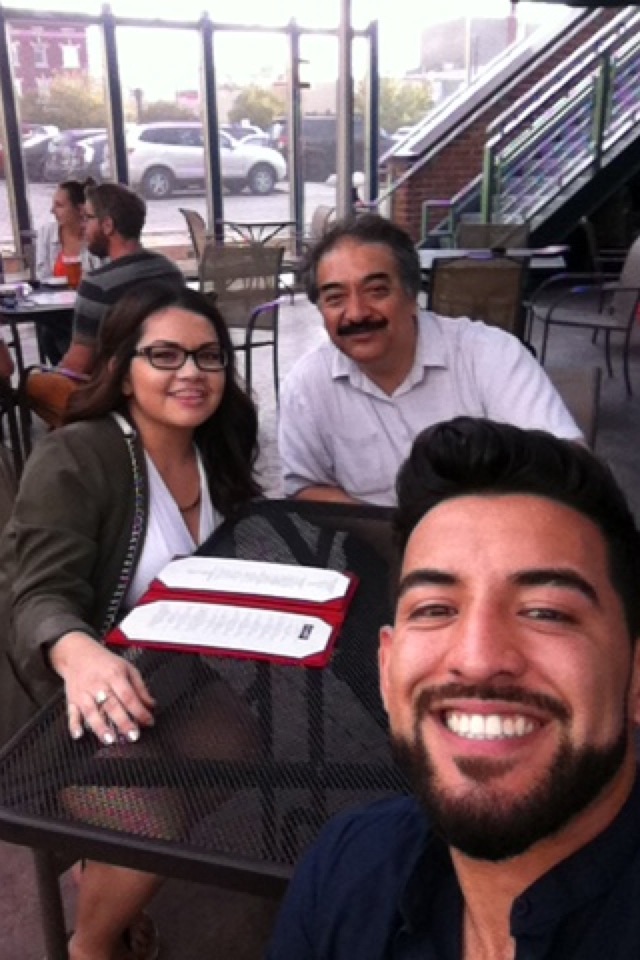
Jose Lopez, LULAC of IL State Director, myself and Jesus Payan chatting about improving community outreach via social media and unified webpage for LULAC of IL.
Narratives and storytelling has been a long standing tradition in the Latina/o community. It is often in that way in which we learn; by hearing stories from the elders in our families or communities telling us of our long standing traditions from our ancestors before us, events that have occurred when the thought of us was not even conceived, still in our mother’s womb or too young to remember. I grew up with story telling and learned the importance of narratives. To my family and to our community, narratives gave a platform to the unheard. But throughout the existence of our community, we have been shamed and conditioned into believing that we should not speak up for what we believe in due to fear or retaliation of what the majority in the United States could do to us. I’ve slowly seen this fear stripped away by the courageous acts of many in the Latin@ community in the U.S. From Cesar Chavez and Dolores Huerta forming the United Farm Workers in California to protest the working conditions of the fruit and vegetable pickers in the fields, to young immigrants proclaiming that they are undocumented and unafraid and recently, to the undocumented trans activist Jennicet Gutierrez interrupting President Obama during a pride event at the White House, crying out: “President Obama, release all LGBTQ immigrants from detention and stop all deportations”, the Latin@ community has had enough. Even in the most difficult of times, I don’t believe we have ever been quiet. We simply have never been heard. And now, finally, people are listening.
Having the opportunity to attend the 86th Annual LULAC National Convention in Salt Lake City in early July, reminds me of the several facets of racism, discrimination, prejudice and systematic inequality my community has faced and continues to face to this day. It is always empowering for me to go into a room full of Latin@s that are fighting everyday, across the country, to help dispel the injustices that are occurring. It is in these spaces that we are allowed to come together, meet new people, formulate new strategies and ideas for the betterment of community at a local or national level.
Often times, in social justice work, it can feel lonely or that no matter what you do or how hard you work, it’s never going to end and it’s never going to be enough. During these times, I am reminded of a saying my mom always tells me: todo tiene solucion, menos la muerte. Everything has a solution, except for death. While at times, the work I am doing may seem insignificant to some or not enough, I know that I, along with so many other’s, are doing what we can with what we have. Attending the LULAC National Convention was a thrilling reminder for me that the work that I am doing in my community does matter. Although some days are not easy, better days will come. There’s a long road ahead and so much work to be done. It’s scary to think of what lays ahead, but I am ready to do whatever it takes to create a more just community for my people and our future generations.
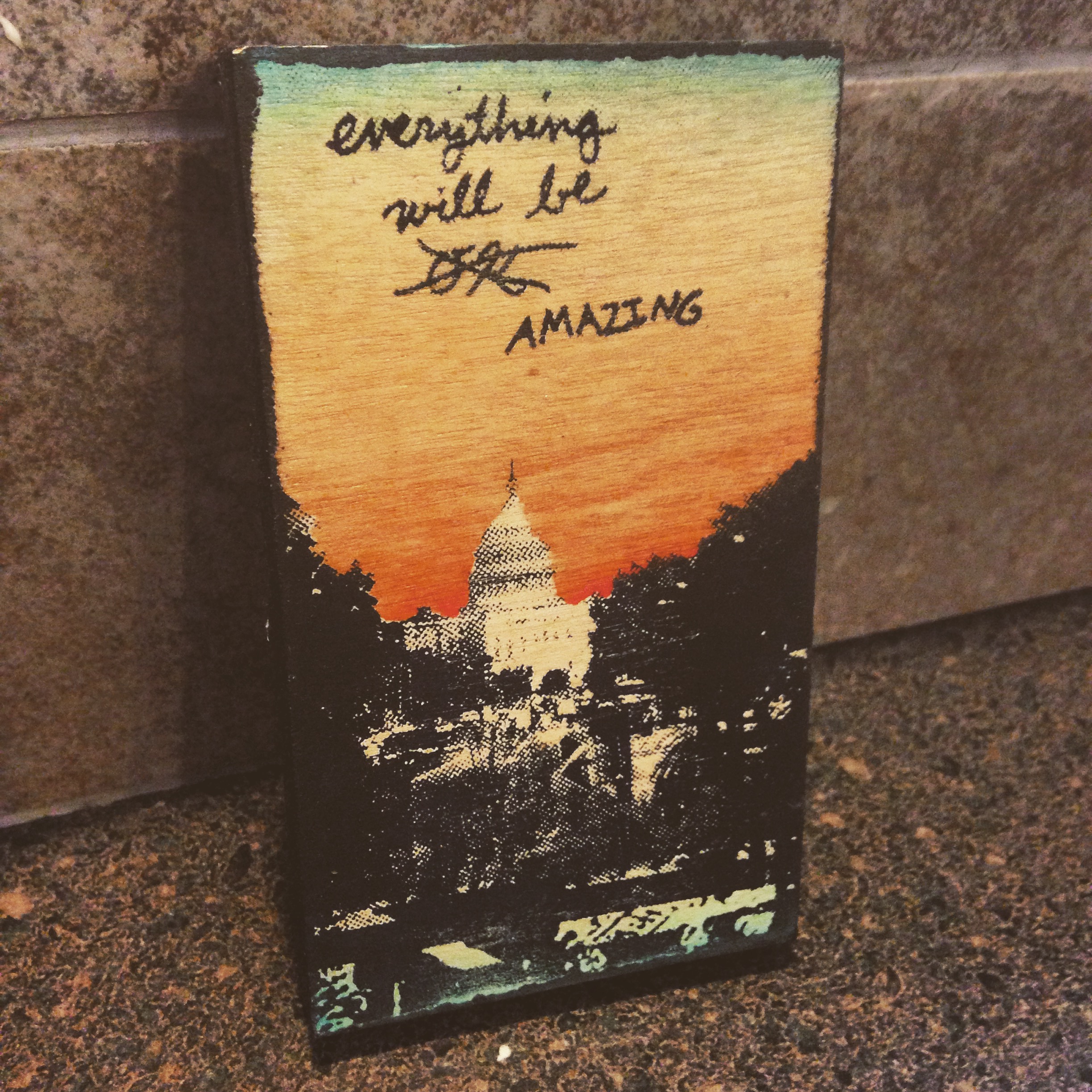
I got this at the Eastern Market at the beginning of the summer. Everything did turn out to be amazing!
My roommates and I keep commenting on how quickly this summer has gone by. Two months seems like a lot at first, but now it feels like hardly any time at all. I’m entering my final week at Lutheran Services in America, which means I’m working on finishing up the projects that were assigned to me. A few of the projects I have been working on won’t be done by the time I leave, so I will be preparing those to be handed off to future LSA interns.
Outside of various smaller tasks, my two main projects at LSA have been donor analysis for the 2015 fiscal year and managing their social media platforms. The first project has involved a lot of compiling and organizing numbers in order to understand where the donations are coming from, evaluate donor trends, and formulate a new development strategy for the 2016 fiscal year. While sometimes spending hours on end working in Excel can be tedious, I’ve found myself to be quite interested by the results. This Thursday I will be giving a presentation to the entire LSA staff that will summarize the findings and help them understand a little more about where LSA’s funding is coming from.
Managing the LSA social media platforms is a different sort of project. I try to make sure that our postings are spread out evenly, so that we are maintaining a regular presence on social media. Sometimes these posts regard projects or events LSA is involved with, and sometimes they are highlighting one of our 300+ member organizations. I love posting about our member organizations because it means I get to spend time going through their Facebook pages and learning about all of the amazing projects and services they’re all providing. It fascinates me how vastly different our member organizations can be, yet they are all connected in their mission to serve others and by their Lutheran roots.

The LSA staff went to a Washington National’s game this week!
As a Lutheran, the network that LSA has created fascinates me. When I was growing up, I was always told that we are all one through Christ and that we are all connected. That’s something I think about every day here at LSA. The work done by any one of our members is excellent and necessary, but when you take more than 300 of these organizations and find ways to connect them, that’s when truly incredible work can happen. And every single person involved in these organizations is doing service work – whether they are doing hands on work or office work. This is one of the best examples I’ve seen of the body of Christ in action. Romans 12:4-5 says, “For just as each of us has one body with many members, and these members do not all have the same function, so in Christ we, though many, form one body, and each member belongs to all the others.” The members of LSA provide a variety of tasks, and LSA helps bring them together. We are all the body of Christ, serving in a multiplicity of ways, and touching the lives of millions of people every year. Every kind of service is a necessary part of the body of Christ and serving with LSA this summer has provided me with a unique example of the body of Christ serving God’s people.
My work at the Federation is all about details. From the exact responses to survey results and their connotations, to document formats, to the placement of questions in each email, each project forces attention to every miniscule detail. And every single detail has been important and critical to the success or outcome of each project. Working with an immense group of 56 councils around the country and in partnerships with organizations like the NEH and Pulitzer, the Federation’s effectiveness in these relationships relies on having each fact or detail correct.
However, our effectiveness is also measured in the work each council puts in to provide humanities programming to everyone in their state or territory. As the national branch, we are the promoters, advocators, and cheerleaders for the individual councils. For all of the work the Federation completes in Washington, DC, negotiating and advocating on Capital Hill, communities around the United States receive more chances to grow in the humanities. Knowing our national impact inspires me to continue to promote humanities education, to push for more literacy and reading discussion groups, and to always advocate for the value of history and literature.
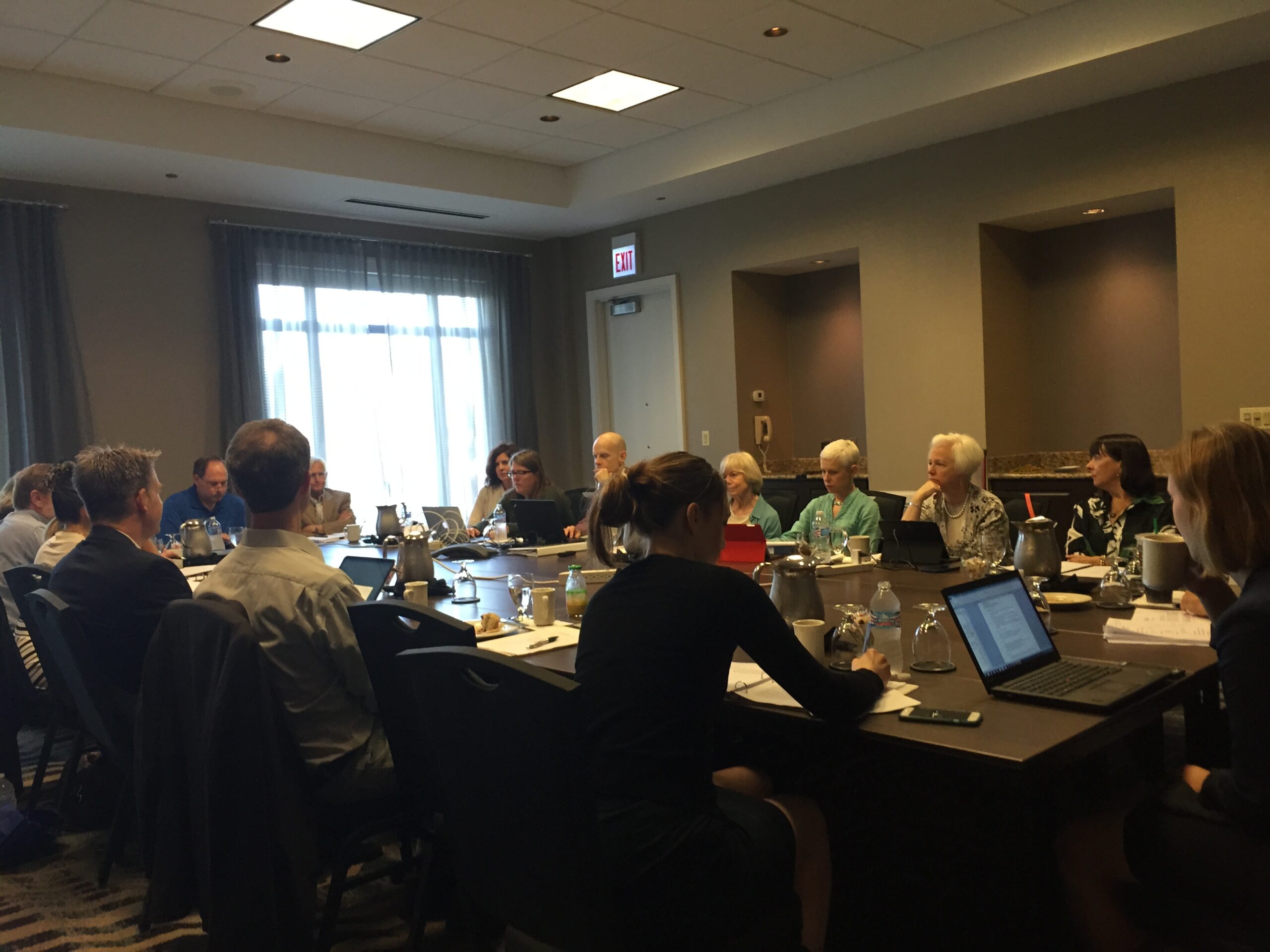
I was lucky enough to experience firsthand the Board of Directors meeting last weekend in Chicago. A little bit awestruck, and a whole lot a bit nervous, I found myself in room with influential humanities scholars and nonprofit workers from both humanities councils and other humanities backgrounds. Sitting in the room during the meeting, I gained valuable insight into the underground workings of a nonprofit. Board members and Federation staff discussed items such as budget allocations, development issues, and strategic plans. Each topic was important to the inner workings of the council system, and again, all of the details were highlighted and reviewed. While the board members debated and discussed, I sat at my intern table, frantically taking notes and excitedly grasping at the pieces of information that hinted towards the Federation’s future.
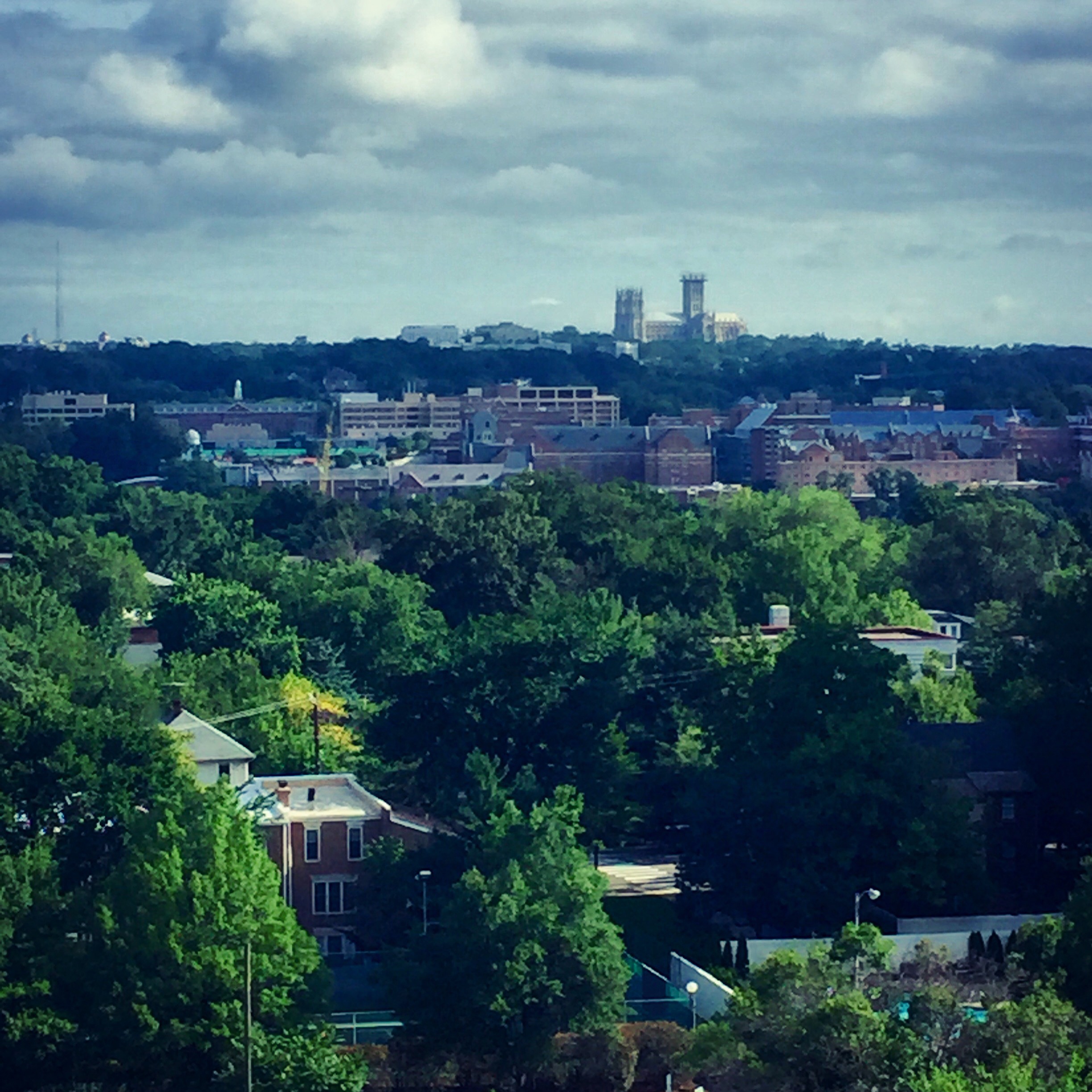
As I begin the last week of my fellowship, I am filled with such a bizarre combination of sadness and excitement. The last nine weeks have been transformative, not only to my sense of self, but to my future and the place I see myself in this world. Working at the Federation has been more fulfilling and informative than I could have ever foreseen when I first learned of my placement all the way back in April. And now, I am so happy to be given the chance to continue my work here and stay I the amazing city of Washington DC. I will be working at the Federation full-time starting in the middle of August as I switch from CAPS fellow to a member of the nonprofit workforce. I am thrilled to have found a calling to promote the importance of the humanities during my time as a CAPS fellow, and I am eternally grateful for the opportunities it has provided me. Now, I get to sit and look out at this beautiful view for the indeterminate future, as I continue to discover my purpose in this world.
The Region is as diverse in its problems as it is in its population. You do not have to wander too far to see the poverty that is plaguing some of the largest metropolitan areas in “the 219.” My placement is in one the cities that has been, by and large, forgotten by the rest of the Region and left to its own limited resources to rebuild itself. The progress that the city of Gary makes can seem slow but it is truly amazing to see the good that is coming from the organizations and citizens within the city that refuse to give up on each other. I’m proud to say that the Urban League of Northwest Indiana is one of those organizations.
During the second half of my internship, I noticed that many people began to call in for rental and/or utility assistance. Unfortunately, the ULNWI does not have the capacity to help with these specific problems, but we are able to refer people to other organizations that can. It is extremely sobering to realize that something as basic and necessary as shelter, electricity, and water are not readily available to so many people. Poverty is something that we all know exists, but until you meet the people that are living in the conditions or find yourself in that situation yourself, you don’t really “get it.” This is not to say that I completely or even half-way “get it”; there is no amount of schooling or volunteering could ever make me understand what it is like to live in abject poverty. I can only speak on things as I see and understand them through the lenses of privilege that I have.
In the midst of receiving phone calls about housing assistance, we had our monthly handing out of food vouchers. One of the local churches gives the ULNWI ten vouchers per month to give to people who sign up. To put into perspective as to how great the need is for food, if someone were to call in to receive a voucher, the earliest they would be able to receive one would be mid-September. This list is made up of just people who know that we have the capability to give out the vouchers. In June, I went to a grant writing workshop and one of the organizations that was also in attendance noted that they feed about 100 children every Sunday through the soup kitchen they run. Between the two churches, over 400 people are fed per month. And that is just in one city. I cannot imagine how much hunger there is in the other corners of the Region, in my own, more privileged but by no means upper-class, community of Merrillville. Do we really know what is going on with our neighbor?
For people that are in immediate need of food and cannot receive a voucher, we are able to refer them to other organizations throughout Lake and Porter counties. That makes the uncomfortableness of denying food to “The Eleventh” person somewhat less biting. But then you wonder if they have the means to get to the other organizations to receive the food that may be available to them. It is an overwhelming issue that people who are removed from the situation can sometimes diminish. If there was any doubt as to whether or not hunger is an issue in Northwest Indiana, here is the proof.
Even fours years later, the ULNWI is still working to rebuild the US and African American community through job prep services.
As mentioned in my other blog post, the ULNWI provides career services on Wednesdays and Thursdays and I have been able to help people look for and prepare for work. This has been one of the best things I was assigned to do, hands down. I love having the opportunity to filter my passion for helping impoverished communities and the African American community into a program that directly, positively, affects people. I love learning about people, their stories, their struggles, and their goals. The optimism they have for their future, despite the myriad of obstacles they are facing. The grit they have for being able to apply for job after job even if many of them do not result in unemployment. The amount of work and effort people put into their professional development, from making resumes, practicing interviewing, or simply learning how to use a computer, reaffirms my belief that no one wants to live in poverty and that people do desire to make themselves self-sufficient, but it takes the efforts of those who have been able to “make it” to rise out of impoverished conditions. If the ULNWI did not respond to the needs of the citizens of the Region and did not open an employment clinic, I am not sure what other resources our clients would have. If I find myself having career problems, I can fall back on my university’s career center and a couple professional connections. What other option does everyone else have?
I have been fortunate enough to learn many skills during my internship at the ULNWI. I have learned more minute things, like how to make Excel less annoying and practical things like using my training in academic writing for professional writing. I think the most important things I have learned this summer are the issues of my community. I am going to graduate school in the fall and my focus has always been on the needs of communities of color living in poverty and I hoped for a placement at the ULNWI because of the exposure to these problems I would receive. My hopes were met and exceeded. When I finish school, I want to spend some part of my career improving the conditions of people living within the Region and this summer affirmed that desire. I see so much potential in the natural resources and people of the Region. With proper care, we could be the envy of the Midwest. But in order for that to happen, we cannot ignore the problems of our neighbors. We cannot hope that things will one day change. There must be a conscious effort made to make the Region reach its full potential. Working at the ULNWI has shown me that those efforts have started. Those efforts are creating the progress this area so desperately needs. I am proud of the service that I have done this summer and I am very excited to see in what capacity I can help during and after graduate school.
Since first stepping foot onto Valpo’s campus as a freshman three years ago, the infamous “What are your plans after graduation?” question has always been daunting. My typical response provides a semi-decent answer, as I mention my aspirations of a career in the nonprofit world. Yet, the follow up question—“What do you plan to do in that field?”—is more challenging. My 21-year-old (male) instincts tend to kick in at this point, and I reply with a simple, “Not sure. I still have to figure that out.”
I’m realizing, though, that things need to be figured out fairly soon.
Over the past month, my time at Legacy Foundation provided several opportunities for me to realize three key organizational characteristics that are essential for the nonprofit in which I will someday work. Whether observing a diverse group of area residents rally behind Legacy’s collective impact initiative known as “Neighborhood Spotlight”, conceptualizing hurtful charity practices set forth in Robert Lupton’s book Toxic Charity, or seeing grantees’ excitement as they report back on the progress of their grants, each offers unique glimpses into the criteria I will look for in a future organization.
- Shares Christ’s love
I want to be inspired to work for a cause that fulfills deep, intrinsic calling to greater purpose on this planet. Every nonprofit organization claims to touch on this in some form through its mission: art, dogs, nature, education, poverty, etc. All are important. All are impactful. All are different. And it’s in this variety that opportunities—and pressure—arise.
As the community foundation serving Lake County, Indiana, Legacy Foundation provides grants to local nonprofit organizations that work to transform lives of Lake County residents. I’ve witnessed nonprofit diversity within the last month when traveling with Legacy staff to visit these organizations for progress checks. It’s very evident that each organization is comprised of passionate individuals that are fulfilling their purpose by wholeheartedly committing to their organization’s vision.
Reflecting upon my own purpose, I am reminded of the importance in connecting my faith and career together—something that I was called to do after taking a mission trip to Haiti several years ago. My heart’s deepest passion is to make a difference for Christ in the world; I am reminded of this again and again. Although I am still discerning the details of what this will look like (let’s save that for another post), I know that my calling and purpose is to work in a faith-based nonprofit organization that shares Christ’s love.
- Empowers others
Sure, it may sound straightforward, maybe even redundant. But I believe that empowering others to proactively take initiative should be intertwined into every organization. This very notion is at the heart of Legacy Foundation’s “Neighborhood Spotlight” initiative, as the program fosters collaboration from all community sectors (citizens, nonprofits, corporations, government) to tackle community issues through collective impact. In other words, Legacy is empowering residents to catalyze community change. This intentional investment into residents’ lives is creating great momentum for this region.
- Seeks opportunities
I believe that nonprofits must constantly pursue opportunities to advance their missions, for doing so fosters the discovery of ways to help more people. Many times these efforts produce partnerships that create new programs and projects that would otherwise be unattainable if attempted alone. Collaboration is highly important at Legacy and is seen in many of its programs, including Neighborhood Spotlight. Organizations that boldly seek opportunities make the greatest impact—and I want to be part of that.
As I hope to work for a faith-based nonprofit in the near future, I am encouraged by the insights learned through my time as a CAPS Fellow. The three aforementioned criteria serve as guides to my vocational pursuit and will undoubtedly help me the next time I am asked about post-graduation plans.
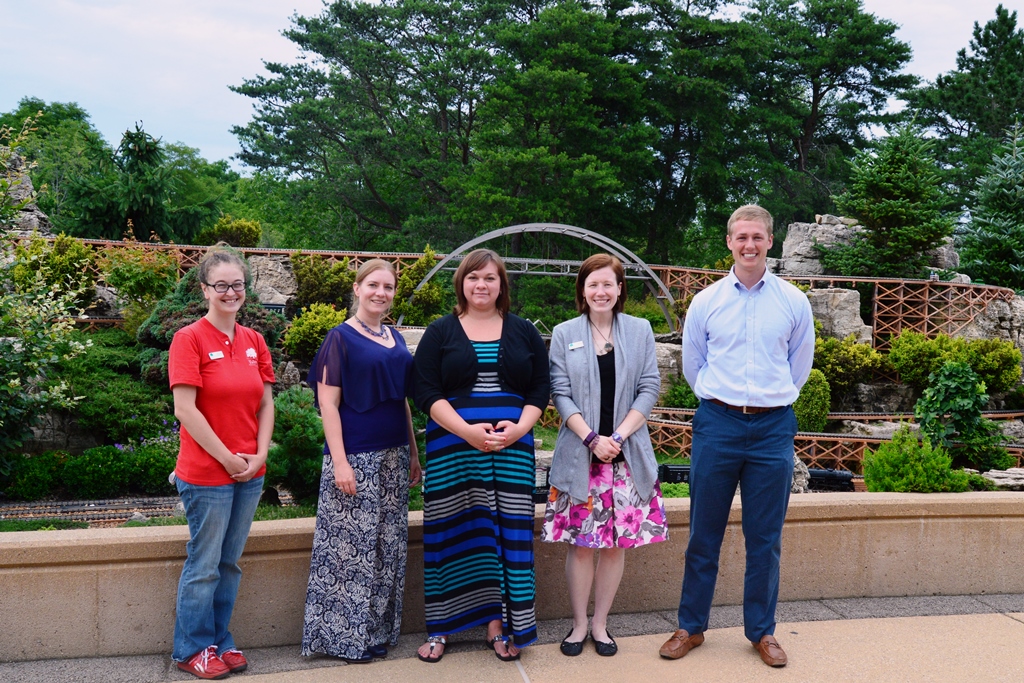
Site visit group photo at Taltree Arboretum & Gardens in Valparaiso.
As I come to the end of my fellowship with LULAC of IL in Cicero, I had a great opportunity to attend the National Convention that was held in Salt Lake City, Utah. WOW! This place was amazing. The view of green, breathtaking mountains behind the city really blew my mind. The weather was perfect. You know why? Because they were little to no flies and mosquitos, the sun set around 9:30pm, and low humidity. The city was like the ocean on a calm day with a nice breeze.
The convention catered to around 5-6,000 LULAC members during the week long convention. It was a nurturing weekend because I was able to spend time with LULAC State officials on the plane, over dinner, dance floor, workshops, and have intellectual conversations. I really bonded with the LULAC of Illinois State Director, Jose Lopez. I would ask questions and he would have answers, especially during elections. Elections were hectic and borderline madness. I asked Mr. Lopez, “I don’t see unity here at this election. People are yelling and being disrespectful. Is this how it usually is”? And he chuckled a bit, bowed his head a little closer to me and said, “This is expected. It happens every year in nearly all elections. It even happens within Democrats when they are voting because people may have strong, opposite opinions on certain topics. It’s the nature of elections, but LULAC always puts aside personal opinions and comes together for the larger issues”. As a biology major, I have no academic background in political science. However, Mr. Lopez really opened my eyes to the realm of politics in a coachable and effective way. And for that, I appreciate his patience in mentoring me and allowing me to challenge my preconceptions of politics.
After my fellowship, I plan to remain as an active member of LULAC and continue making myself of a resource for the community in whatever way that may be. I love my Latina/o community. But I recognize and understand the intersectionality between the entire spectrum of race, ethnicity, class, gender, sexual orientation, religion, and ability. I would like to continue my work to fight against social injustices and institutions that support institutionalized discrimination to create an inclusive and transparent community.
It is up to us, as Valpo leaders, to voice the struggles of our community through ACTION and ACCOUNTABILITY!

Salt Lake City, Utah
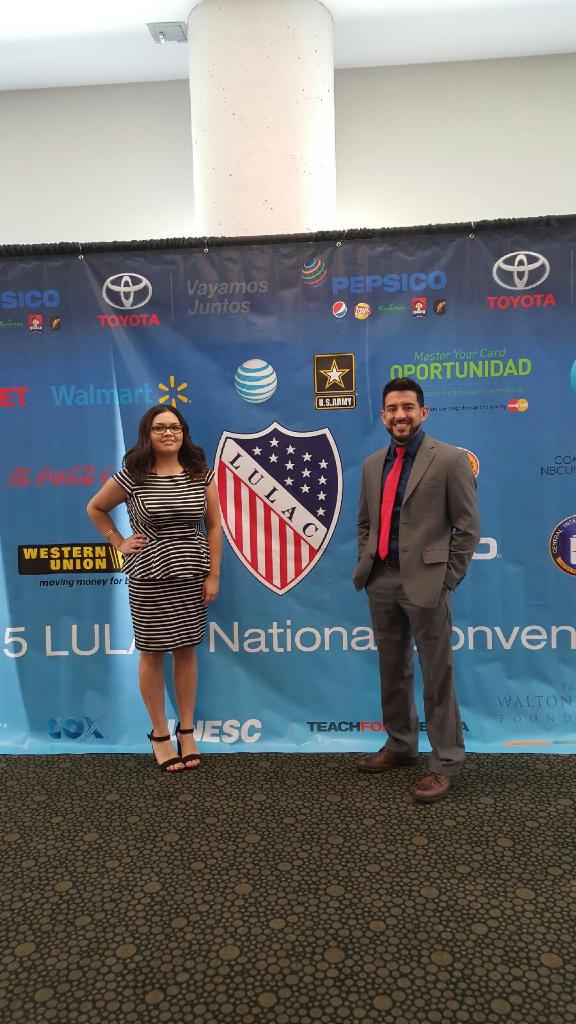
LULAC National Convention in Salt Lake City with Rocio Pulido
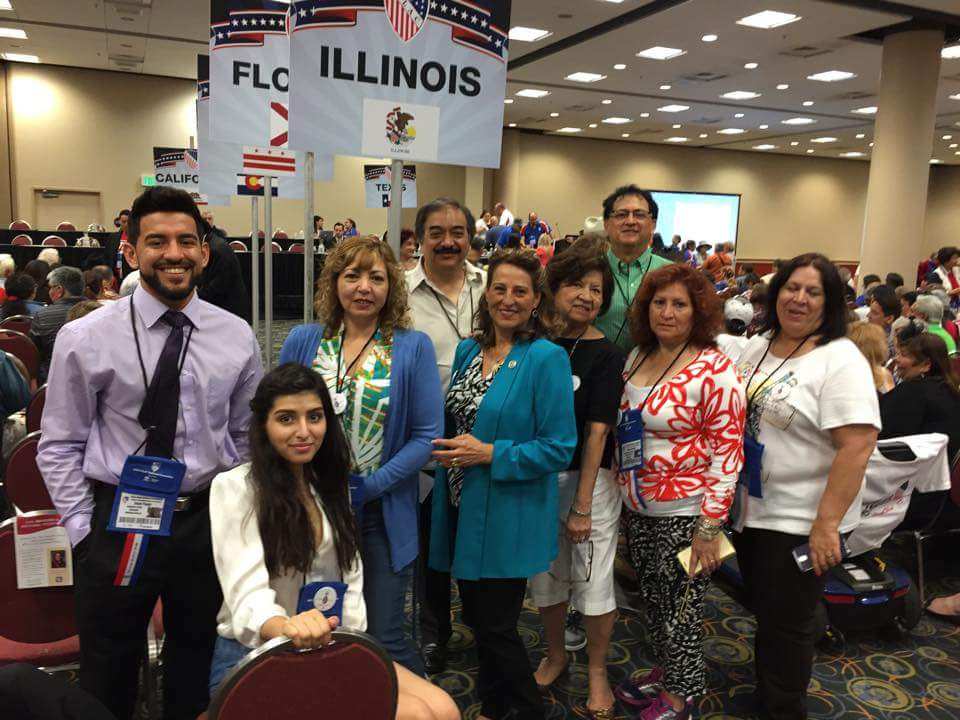
LULAC of IL delegates ready to vote
Jose Lopez, LULAC of IL State Director, Rocio Pulido and myself chatting about improving community outreach via social media and unified webpage for the state of Illinois