
 I searched eagerly for a skyline as my GPS shouted directions at me. It said that I was about ten minutes out from the city. Growing up, visits to Chicago conditioned me to scan for skyscrapers to announce that our journey was nearly complete. Nearly 4 hours after leaving my family, friends, and familiar space, I arrived in Indianapolis. I didn’t know anything about the city outside of the arts scene. However, I would soon be thrust into Indy summer which was already well underway. My host family, the Pumphrey’s met me with open arms and welcomed me into their neighborhood with a tour. In the two weeks I got to spend with them, three kids and a dog, I felt received with open arms.
I have done a lot of things since coming to the city, but by far the best thing about it is the instant sense of community. It may be because the Harrison Center is so community-oriented but the time it took me to feel welcomed and wanted was so short. Through the arts, the center can uplift and support its surroundings instead of working against them. My fellow interns are so creative and kind that it makes going to work that much better. Each person is working on different things, but there is also a lot of room for collaboration which I enjoy. It’s nice to be able to take initiative and start my own projects but then be able to get feedback and help with things.
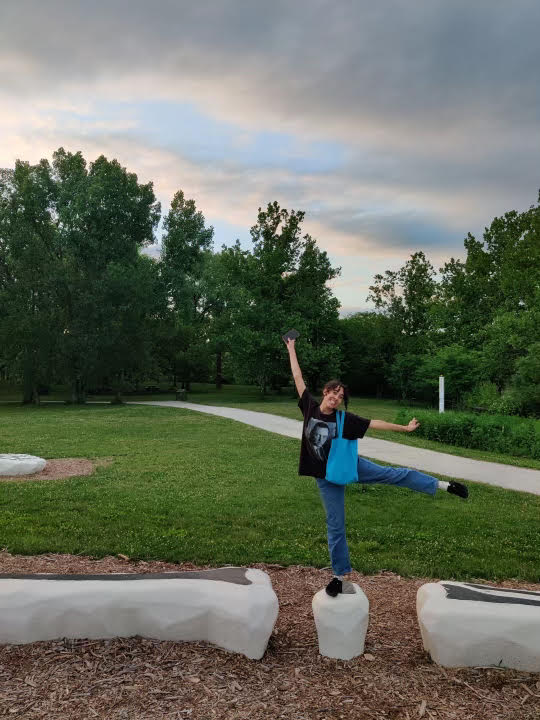 There are lots of projects that I am working on. The underlying large project that I will be a part of requires me to do a lot of research. I am assisting Nabil Ince, a musician that has been a part of the Harrison Center mission for years, with creating 5 songs about different sectors of black life in historically African American neighborhoods in Indianapolis. I will be assisting with some of the groundwork, talking to pillars of the community, asking questions, going out into the city, and uncovering the real connections between these different sections. I will also be hopefully assisting with some music-making! Songs that can uplift the community and provide positive and truthful messages are good for everyone. IMAF, Independent Music and Arts Festival is also happening this month so there is tons of prep that is going into that. I will be helping make volunteer shirts, set up, and more. This is the 21st year that the festival has been held! There is of course more but I’m out of words, for now, I’ll keep you all updated.
-Reese Foytik, Harrison Center
 I have completed my first week here at The Grunewald Guild! This in itself is quite a feat. I arrived two days later than intended because of flight cancellations that left me stranded in the Dallas/Fort Worth airport. This unexpected obstacle was frustrating and filled me with uncertainty for the months ahead. Would I be behind at The Guild by arriving late? Was my checked bag lost to the void? Is this a bad omen for the summer? Now, I sit on the porch of River House where Natalie Gut, CAPS Fellow and friend, and I are staying for the summer. Our view of the turbulent Wenatchee River, thick, tall forests, and glorious mountains settle my nerves.
The Guild, like the environment it is placed in, maintains a balance between wild, unkempt chaos and serene moments of liveliness. The Guild is in transition. It, like the river that borders it, is flowing with change and new life. “What I love most about rivers is you can’t step in the same river twice,” Pocahontas (1995). The three co-directors, Julia, Kari, and Chance, started in April and will be experiencing a Guild summer for the first time like Natalie and me. They each bring a unique expertise and passion. Their leadership style is cooperative and values others’ input. This sacred space is deeply rooted in tradition, in history, in the past, much like the expansive forests that surround us. The challenge has become creating a fruitful ecosystem between the two powerful entities. Though with sharp edges, one can look to the shoreline to realize that this unification is possible. The mountains are symbolic of the challenges faced by The Guild staff. Challenges that feel insurmountable, until you turn around and see how each step of the hike has led you closer to the summit.
 Okay, okay, I’ll lay off the metaphor now and get into the details of my time here. As a general Communications major, I am seeing and experiencing many of my lessons being implemented in real-time. I’m experiencing an ideal version of leadership that I feel is seldom utilized. The directors are task-oriented and driven, but deeply value the humanity in work. We begin each day with a check-in of our priorities for the day as well as a reflection of our successes, challenges, and current headspace. We actively hold one another accountable for our tangible goals and self-care. These first two weeks are busy as we prepare for guests. We’ve been deep cleaning the art studios as well as stocking supplies for the miscellaneous mediums that will be taught this summer. I’ve begun to help with the social media schedule and rollout. This task will be a test of what I’ve learned over the past few years and I hope to increase interactions and help widen the scope of participants. Hospitality is a term that I think captures the general body of my work so far. Director Chance has quite an eye for detail and has provided me with a better understanding of presentation and guest accommodations. He, with Julia and Kari, have eased many of my fears upon entering this role. I was nervous that I “wouldn’t be enough” or that I “wouldn’t do enough” among other irrationalities. They have created a work environment where I feel comfortable asking questions and volunteering for new experiences.

Since I am only one week in, I haven’t yet found the answers to my questions of calling and purpose. I know that at this mome nt my purpose is to serve The Guild by choreographing a successful summer of artistic expression, faith exploration, and community building. I must be satisfied with that response for now. Satisfied with the fact that my universal purpose and professional calling will not reveal themselves one week into a new experience. Hopefully, at the end of the summer when I check in with you again, I’ll have a more grand response.
– Katie Endres, Grunewald Guild
A little over two weeks ago, my internship with the Volunteer Recruitment department of the American Red Cross began. Time really flies– I already feel like a fully integrated member of the Volunteer Services team. Over the course of the past two weeks, I’ve taken the ti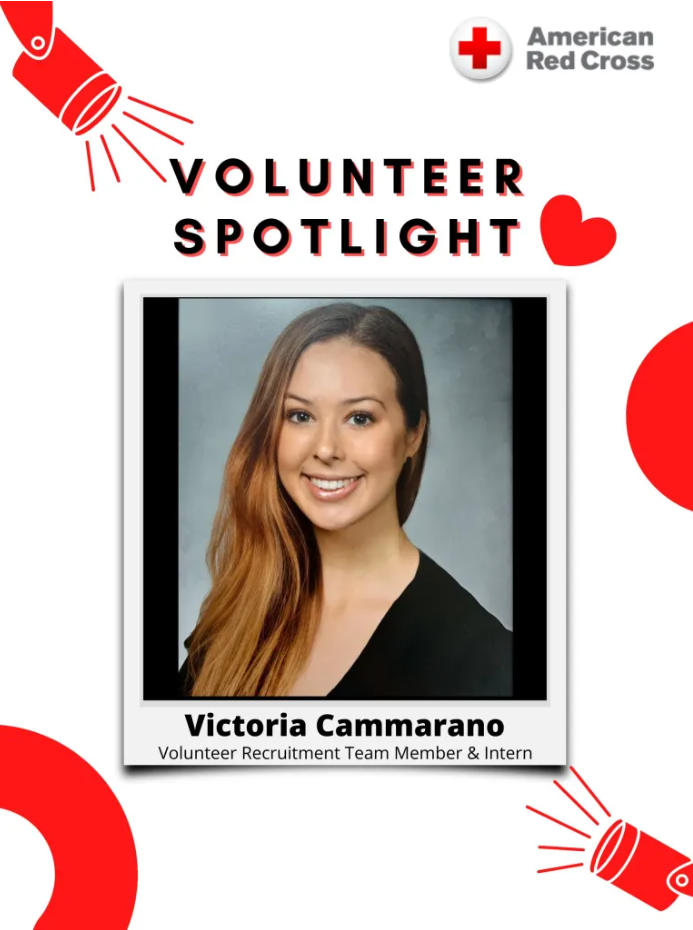 me to speak with as many members of the American Red Cross network as possible (whether in my department or not). The key lesson I’ve learned by listening to people’s stories is that the movies couldn’t be further from the truth; employment does not need to be a miserable, never-ending cycle of insipidity. Every person I’ve met has been full of life, and full of love for their position. I’ve really gained hope for my future these past two weeks, knowing that I am not doomed to de
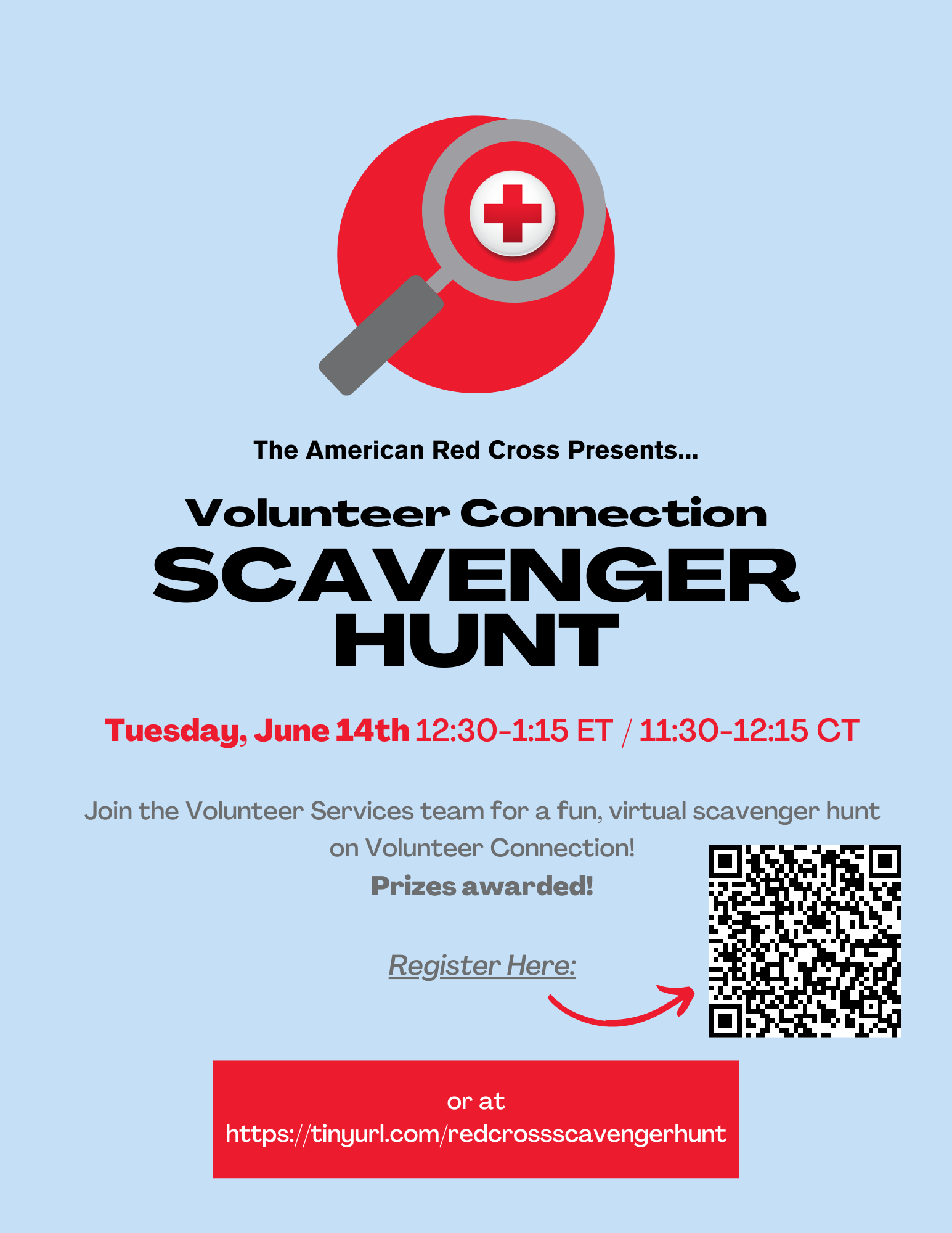 spise the career path I’ve chosen (and currently love).
I have also learned about my versatility. In August, I will be beginning my graduate program in Physician Assistant Studies… This is a far cry from a Volunteer Recruitment internship. At first I was hesitant to make this leap, but now I am so glad I did. Working with the rest of the ARC team has shown me how to push my boundaries. In terms regarding to my calling, what I know is this: I can never do just one thing. This internship has really awakened my love for creating. So far, exercising my own imagination while generating marketing materials has been the highlight of my two weeks. Again, this is far from a career as a medical professional. Still, I know this creativity is not something I can give up. With the Volunteer Services team, I am seeing how I can apply my own passions to my work, and this does not need to stop when I enter the healthcare field. I’ve been thinking about how, when I am treating patients, I can apply these new marketing skills. I believe it would be a great benefit to create engaging, simple patient handouts regarding basic medical ailments, such as how to treat one’s own disease (diabetes, for example, or high blood pressure) at home. I think this would help the current medical predicament of patients forgetting most of what a healthcare professional tells them during their visit, which is no fault of their own.
I’ve also seen how I flourish in a team environment. While that may seem a bit cliche, I mean it. Throughout my undergraduate career, I’ve always viewed myself as an independent learner and worker. As a freshman, I would view myself as shy. Now, as a graduate student, I would say the opposite is true. When in the Merrillville ARC office, I find myself losing time talking to the other employees. Everyone is so kind and energetic- I don’t want to leave to work on my projects! This is not something I would h ave done as a freshman in college.
In summation, what I have learned is this: my calling is to have more than one calling. I am not a person destined to work a singular job. I want to be a healthcare professional after I graduate– but I also want to create. Marketing is something I truly enjoy, which I would have never thought of before this internship. Opening a bakery has been a dream of mine for years… so why can’t I do it? Creating my own edible art, while also creating campaigns to promote it: the dream!
There’s no reason why I can’t run my own business, or have a homestead. Why can’t I also pursue a career in creating patient education materials? Rescuing farmed animals from our barbaric, sadistic food system is another dream of mine. I’ve also written journal articles and research papers about this issue.
So picture this: Victoria Cammarano, MPAS, PA-C. Owner of “Vegan Vic’s Bakery.” Founder of “One World Farmed Animal Sanctuary.” Writer and Author. Professor of Bioethics. Mother. Grandmother.
I have a lot of work to do! I just hope I have enough time.
-Victoria Cammarano, American Red Cross
Water is everywhere. Above the Earth in the form of both air and clouds. On the surface of Earth in the forms of rivers, oceans, and ice. Inside the Earth just right under the surface. 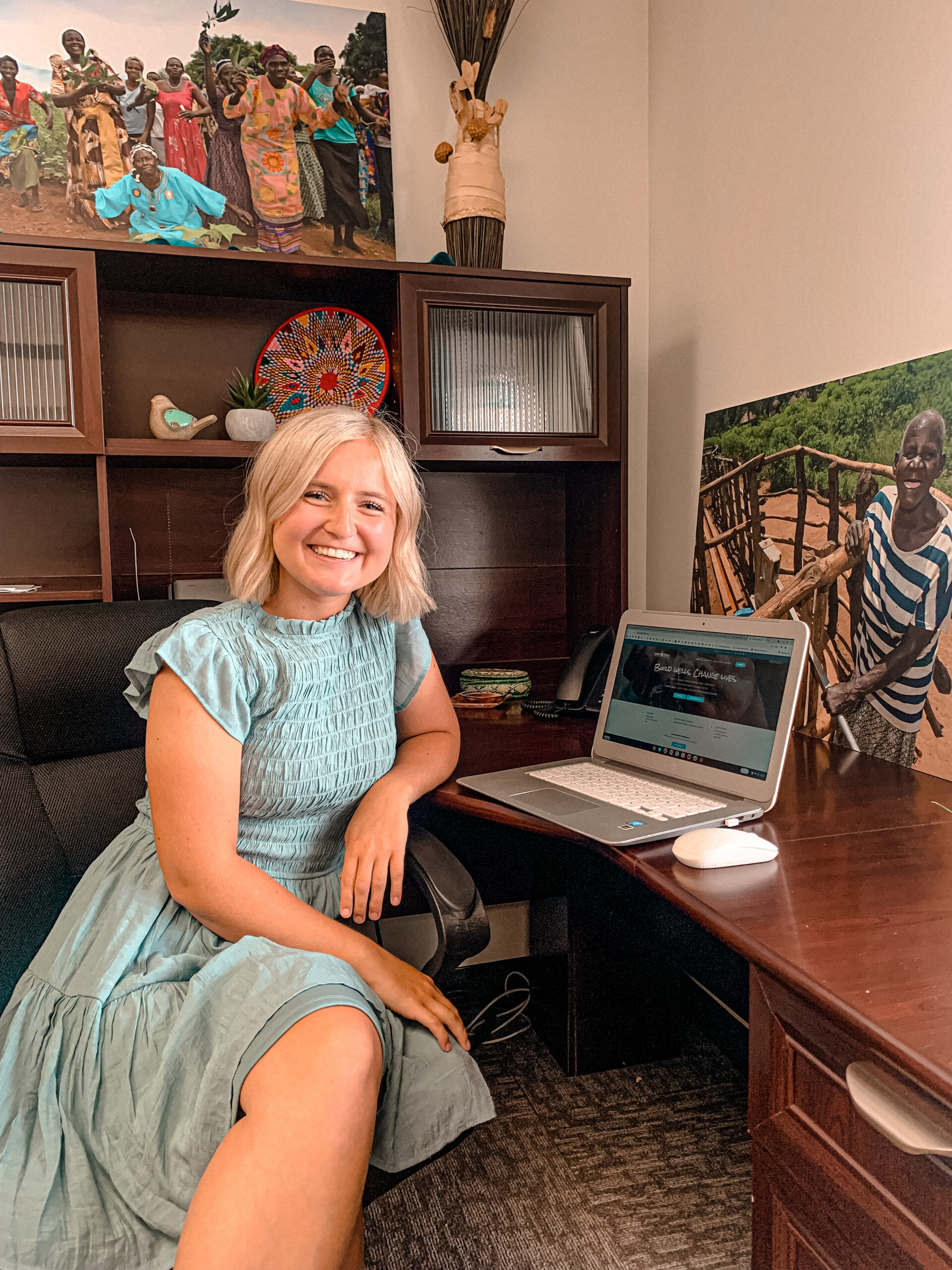
Could this be why it is the most basic, yet taken for granted, human need? Because it’s everywhere.
With nearly 71% of the Earth’s surface being water, and for a person who has water at their daily disposal it can be hard to understand how water could be unavailable, or that people could be going without.
I mean if you think about it, people in the United States even associate water with recreational activities and even vacation, some people might even take its far to say that being in or near the water is their “happy place”.
Now let’s think about a few things.
How many times a day do you think the average person fills their water bottle? Also to keep in mind, more than likely the water bottle “has” to be an insulated HydroFlask to keep the water perfectly chilled. Think about it.
How many times a week do you think the average person takes a shower? If not one daily, but potentially multiple daily depending on their profession and lifestyle. Think about it.
How many times a month do you think the average person leaves the water running for the duration of time while brushing their teeth? Also, if this is multiplied by two, considering the person brushes their teeth both morning and evening. Think about it.
Think about the number of conversations that have been exchanged between individuals, over what’s considered to be a highly debatable topic of “What brand of water is the best?”. I mean it’s definitely, Ice Mountain, am I right or are they all the same?
During our lives, we all have been guilty of at least one or multiple of these instances.With these instances, it exemplifies the role of water within the average United States citizen’s life. These instances also only begin to scratch the surface of how people are able to quickly take for granted the access and availability of water we have within our country.
Speaking statistically, the average person is made up of 60% of water. Our hearts and brains are composed of 73% water. Our lungs are composed of 83% water. People need water. It is part of our physical make-up but also an attribute in ensuring quality of life throughout other aspects of our lives that physical well-being impacts.
It is devastating to think that there are people lacking access and availability to water, and that ultimately impacts their quality of life.
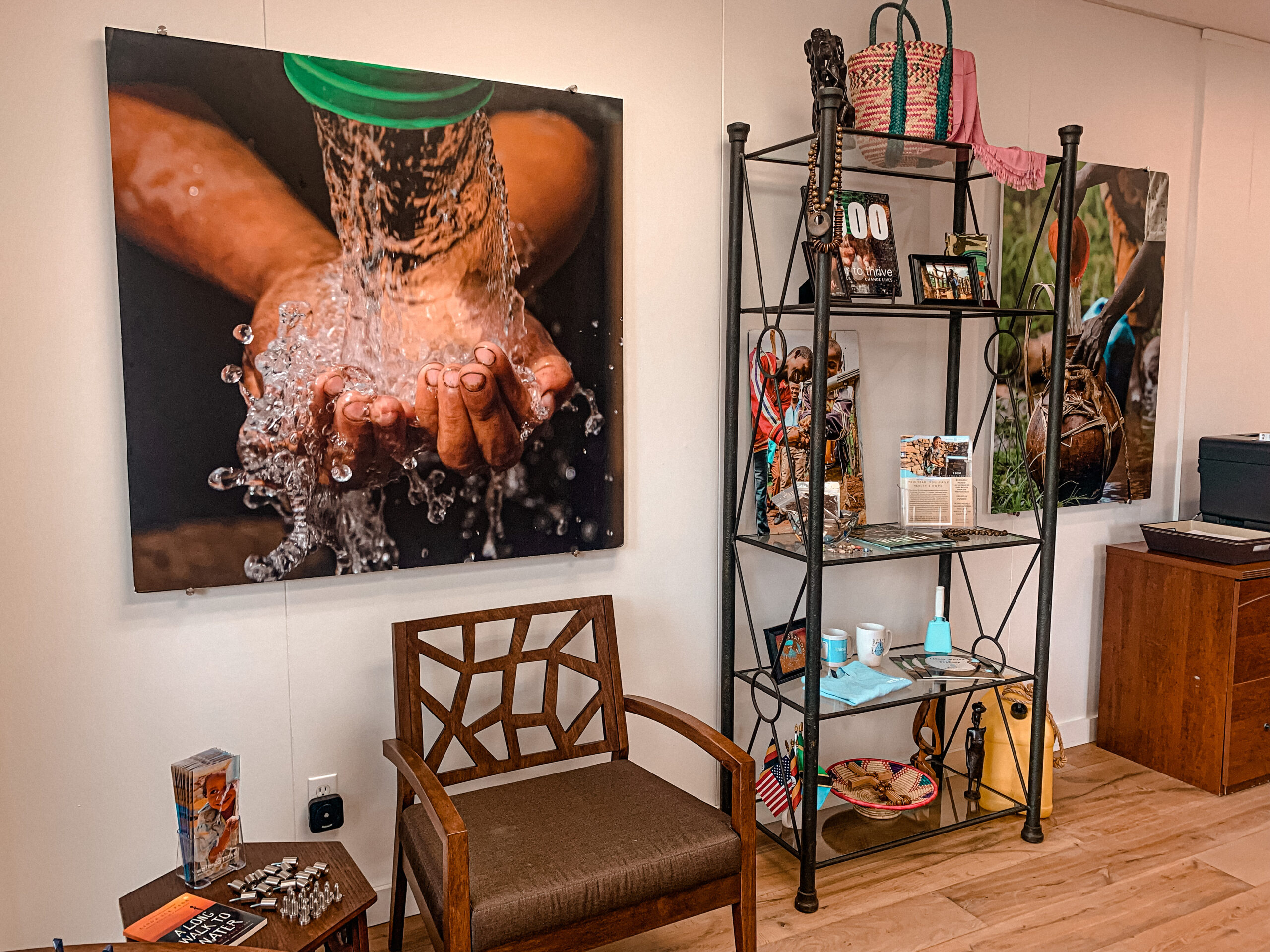 With that being said, that statement takes us to a different location of the world, that being rural African Communities within Ethiopia, Uganda, and Tanzania. Within these communities, water is not as easily available as it is within the United States, and if it is, the water is both unclean and unsafe for people to use, but they are still using it because it is all they have. And as we know, people need water.
For women and children within these communities, they will wake up early in the morning to spend approximately 6 walking, waiting, and fetching for the unclean, unsafe water to bring back to their family. Within their walks for water, there are obstacles and challenges that both women and children encounter.
For the children’s challenges, they are spending on average 6 hours of their day walking, waiting, and fetching for the water. With that being said, it leaves little time in their day for education. Will a child fetch water or will they attend school? Children have to make a choice or the choice is ultimately made for them. Something to also be considered with children not being able to attend school is the consideration of young girls; since they are not having the opportunity to be educated, they are getting married younger which then leads to becoming a wife, then mother, and then serving their family without ever having been able to receive an education.
And for women’s obstacles, they experience feelings of fear and uncertainty as they are traveling lengthy distances in unfamiliar surroundings putting them at a higher risk of potentially being sexually assaulted as they are walking for water. With that, the walk for water is long, if a woman is spending her entire day walking, waiting, and fetching water she is not able to upkeep with the household demands of making a house a home, therefore dinner is not on the table when her husband gets home and the house isn’t clean; depending on the relationship and circumstances, this can lead to instances of domestic abuse.
For the basic need of water, women and children are sacrificing their quality of life to provide for the people of their communities. Also to mention, with the unclean and unsafe water, it is often ridden with waterborne diseases, then bringing an entirely different set of health related problems to these rural African communities because people are getting sick from the water.
When we stop and think about it, it is incredibly hard to wrap our minds around. This concept of how desperate the people within the communities are for water, then here in the United States we won’t drink a bottle of water if it isn’t our preferred brand or we won’t drink a bottle of water if it is warm. But this entitlement comes from having water at our fingertips, and not having to think twice about where it comes from or how our lives would be different if we didn’t have it so readily available.
For the people of these rural African communities, this is where the blessing of the work done by Water to Thrive comes into effect. With Water to Thrive building a well within communities in Ethiopia, Tanzania, and Uganda they are essentially being “built a blessing” when a well is established within a community.
With the funding and building of a well, a community is able to have easier access to clean and safe water which will ultimately improve and impact the quality of their lives positively.
With having access to clean and safe water, the aspects of life positively impacted are overall better health, improved sanitation and hygiene, more opportunity for education, and decreased instances of both sexual assault and domestic violence.
Also, the time it takes to walk, wait, and fetch for water is decreased exponentially because the clean water source within the community is placed in a central, practical location that allows for convenient access allowing for women and children to pursue other endeavors enhancing their quality of life with either pursuing education, taking up a trade, or developing a craft for revenue. 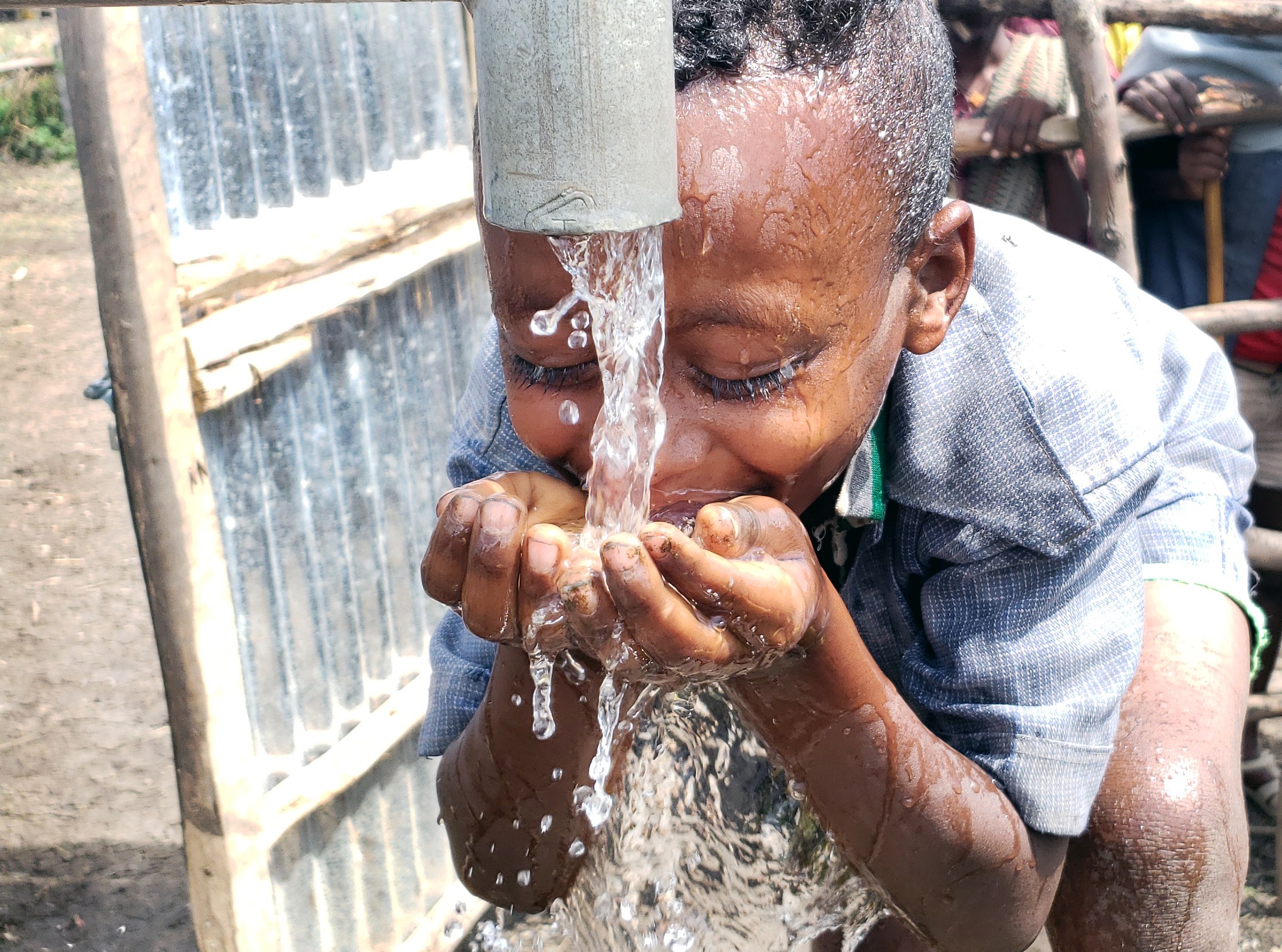
Overall, the work that Water to Thrive does to fund and build a well within a community helps aid in the Global Water Crisis and impact the lives of the users for the better, while also providing longevity and sustainability within the community and their relationship with water.
Through my internship position, I have been able to be a small part in making a larger impact with the work I have done this summer. For my internship project, I was first able to do Marketing and Outreach within my local area, with hopes to potentially spread the message about Water to Thrive. From there, my project was extended to Media Outreach with my goal being to initiate and implement the summer Facebook Live Series, “Where There is a Well, There is Hope”. This Series was educationally based, with each week being centered around a different topic relating to the Global Water Crisis, Water to Thrive, and the work being done through the nonprofit. All of the sessions can be found on the Water to Thrive Facebook Page.
Being an intern with Water to Thrive this summer, I have felt incredibly thankful to have had this eye opening, perspective changing experience in relation to educating and understanding in greater depth the Global Water Crisis. Then being able to pay my knowledge forward in raising awareness and educating on the Global Water Crisis while also sharing the mission of Water to Thrive with others.
I began the application process for the CAPS fellowship by working on a personal statement which took me days – even weeks – to complete. Coming to Valparaiso University, I had struggled trying to simply decide what I wanted to study. Now I found myself sitting in front of a blank page on my computer screen struggling to discuss what my interests were or what possible career endeavors I hoped for in the near future. The only thing I have been certain of since childhood is my desire to help others. Throughout my life, numerous things such as hobbies, sports, and extracurriculars have pulled my attention in various directions. However, the one thing that threaded everything together was my desire to help people.
It was not until nearing the end of my internship experience and having an intellectual conversation with a mutual friend of mine that I discerned what it is I am called to do. Over coffee, this woman and I were discussing my current internship with Water to Thrive and the work I was doing. One of the things that I mentioned was how much I loved that I was working both in the field of communication doing community outreach, but also fundraising, which is more related to the field of nonprofit. I explained that I was experiencing the same amount of fulfillment as I had assumed only came from the types of helping professions that work hands-on with others, such as doctors, counselors, or teachers. The epiphany I had when my coffee date responded to this totally changed my viewpoint on a profession in fundraising.
Just because I was not providing hands-on help or services to others this summer does not mean I was not doing anything of benefit. Raising funds in order to allow these opportunities to occur genuinely was and is the root of all positive outcomes for an organization. At Water to Thrive, the work I did directly impacted the way that the business could run and to what extent their organization can help those in need. Just because this career field is one that is more business-focused does not mean that it is any less important and in alignment with the mission of the organization. Working at Water to Thrive was so eye-opening and only furthered my interests and desire to fundraise for a non-profit organization post-graduation. I have already begun applying for job opportunities since I am graduating in December, and without this summer internship, I would have never known how to narrow down this search.
During my time in DC I have found a favorite pizza place, as one always should when living in a new place. Situated perfectly on the route to the Lincoln memorial, &Pizza is the ideal pick-me-up after a long day of sightseeing and easily found when wanting to meet a new friend for dinner. It’s also a chipotle-style pizza place, meaning that you’re able to customize your pizza from the sauce to the drizzle on top and an excellent size for dinner plus leftovers. I’ve found myself going often when with others and it was the first place I ate when moving in for the summer. Like &Pizza, my time as a CAPS fellow has been very customizable both in and out of the workspace. I have been able to choose whether to live at home or move to a big city, to work with child welfare or senior services, to have one roommate or three in my apartment, and how to engage with the CAPS community and with communities here in Washington DC.
The one decision I was most excited about making was working with Lutheran Services in America as my CAPS fellowship. I remember my interview fondly. I immediately felt welcomed and that I would have the opportunity to explore different sectors within LSA and be able to learn along the way. This rang true throughout my internship, as each person I interacted with at work welcomed me with warm smiles and encouraging comments.
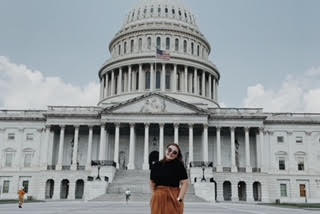 A lot about this summer left me with more questions than answers about my future and even about what the rest of my time at Valpo will be like. I have questions like, do I want to go grad school and when? What do I study after undergrad? Where do I want my networks to be? Where should I live to cultivate these networks? What jobs do I want to look for after my undergraduate degree? However, my time at Lutheran Services in America has shown me that being within a supportive work environment is one of my most important bases for my future. To be supported and able to receive constructive feedback among colleagues is essential to a successful organization.
Another thing I’ve learned through my experiences this summer is the importance of community and networks. When arriving in DC, I knew I still wanted to be involved with my faith life even when away from home and the Valpo community. So, I joined a local church and was able to spend the summer making connections with young adults around the nation’s capital. Some of them were young professionals who had lived here for several years and some were summer interns like me. By listening to their stories and journeys I was able to learn valuable advice while creating relationships that will hopefully last beyond a summer. I was able to get an inside look on what living in the capital is like when it’s more than just a few weeks. I also learned the struggles and joys of other internships and working environments which will inevitably help shape my professional path in the future.
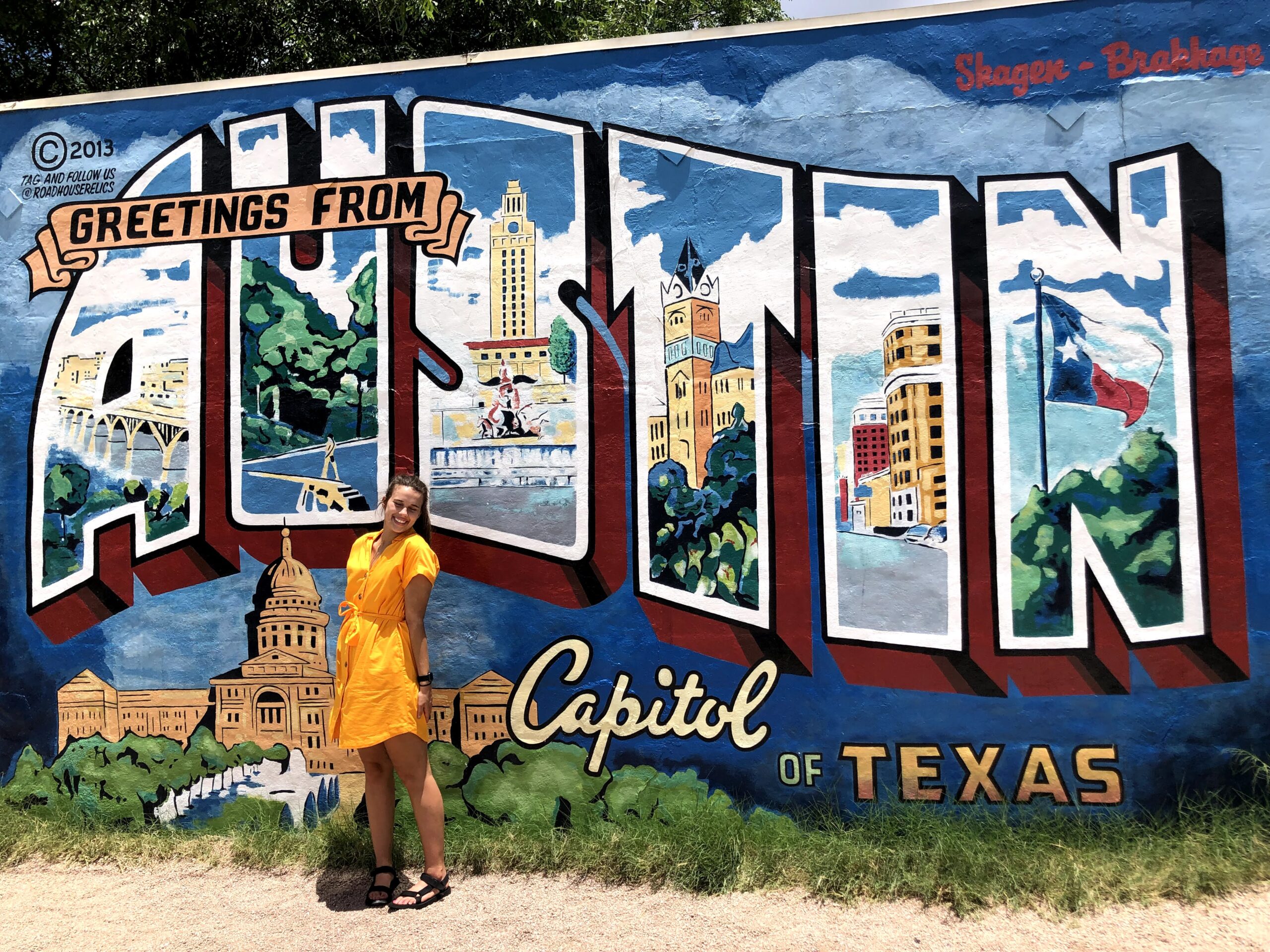
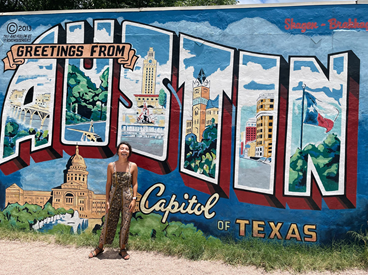 Traveling to a new city is one of my favorite things to do. I enjoy the challenge of figuring out where to go, planning itineraries, and observing the distinct culture of the new place. So, needless to say, I was elated to get the chance to stay in Austin, Texas for three weeks as part of my internship with Water to Thrive. Before arriving, I spent time researching and learning about what Austin was like and all of the activities to-do. I have learned when traveling that it is better not to hold tight to expectations, and to come into a new place with as open a mind as possible. Of course, it is impossible to have no preconceived ideas of what a new place will be like, but it has helped me to truly enjoy a new place.
Keeping an open mind while traveling has also translated into starting my internship. When starting anything new, it is easy to have an idea of what it will be like. This could be either extreme excitement or dread, or something in-between. For me, a fresh graduate, the transitioning time between college and “the real world” has been different to what I thought. Yet, it has shown me how I have no control over specifics, but I do have control over what I do and how I think about it. For example, even though I may not be able to understand traffic or the weather, I can adjust my attitude about it. For example, even when it begins to down-pour while paddle boarding, I can keep a cheery attitude and recognize that the rain was actually helpful in cooling me down after being in 90 degree Texas weather. This is just a small silly example, but the same is true as I continue to work through my internship.
Water to Thrive does amazing work in building sustainable water wells in rural East Africa, which is the kind of work I am extremely passionate about. It is hard to find an organization that cares so deeply about truly changing lives, and not just creating band-aid fixes to massive global issues. It is also difficult to find an organization working on international aid that does not allow donors to go and physically help with the work. I think this well-intentioned help can often cause more hurt, and works to boost the ego of Americans who travel across the globe to help with a cause. Donors may visit the sites, but they are not allowed to help with building the wells themselves. Thus, at Water to Thrive, the work here in Austin is mostly to achieve funding so that local communities in Africa can build and establish their wells. After taking many classes on how to serve global communities well, I was ecstatic to learn about how Water to Thrive effectively makes a difference in the world without playing into the white-savior trope. Of course the role of the donor is important, but what is most important is the community being served. This is what caught my attention when I first learned about Water to Thrive. 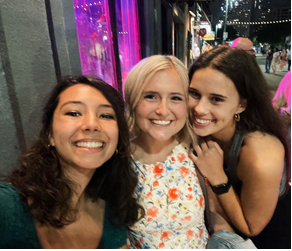
My role as an intern is to begin establishing corporate partnerships with local businesses— something I have never really done before. I knew it would be a challenge on both a large scale especially post-2020 since so many businesses have struggled financially. However, I also knew it would be challenging on a personal scale since I have had to teach myself about how businesses work and how to make a corporate business feasible. Something I subconsciously expected, however, was that businesses would be extremely receptive and responsive to my pitch. Why wouldn’t they want to support a cause that is so meaningful? Although I always try to come into new situations with few high expectations, I found that I do sometimes have the idea that everyone cares deeply about global causes. In my role, which has been mostly research, outreach, and some designing, it has been difficult to decipher the interest level of those that I am reaching out to.
Last week, I was able to tag along with Kim and Morgan in asking for specific donations to local businesses for Water to Thrive’s silent auction. In this in-person situation, I was able to finally see the generous spirit of business owners and managers. It was encouraging to hear people’s intentions and excitement over our mission. Austin seems like a very generous city, it is one that has different initiatives to help community members. Most businesses already have some sort of philanthropic endeavor, and it is easy to see why Austin is the fastest growing city in North America.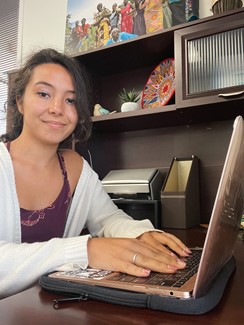
So, for me, even though my work is not directly with those that Water to Thrive is serving, I have to remind myself that the mission is greater than my own small tasks. Discouragement is part of working for a non-profit, simply because of the unknown nature of where funding will come from. Yet, conversely, there is great excitement and joy in seeing the generosity and willingness to give in these particularly hard times. Being in the office where I get to see images of joy of those in rural communities receiving water, has also helped me in maintaining my passion for my work.
My own frustration and joy has been part of the beauty of this summer. Challenges help me grow, and I can already see how my summer at Water to Thrive has impacted me and exposed the kind of work that I enjoy. It is easy to get caught up in the small inconveniences of my life here— a lack of response, a wrong bus, an unexpected rainstorm— and yet, these are the things that make this experience so unique. I have the chance to take these small problems and change my perspective. Instead of inconveniences they are an opportunity for a follow up, for more sight-seeing, and for the chance to see a rainbow.
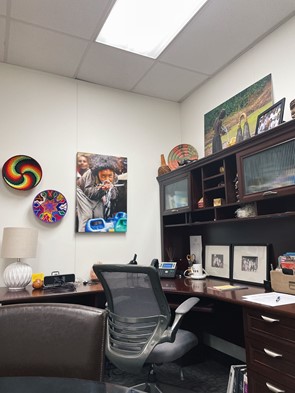
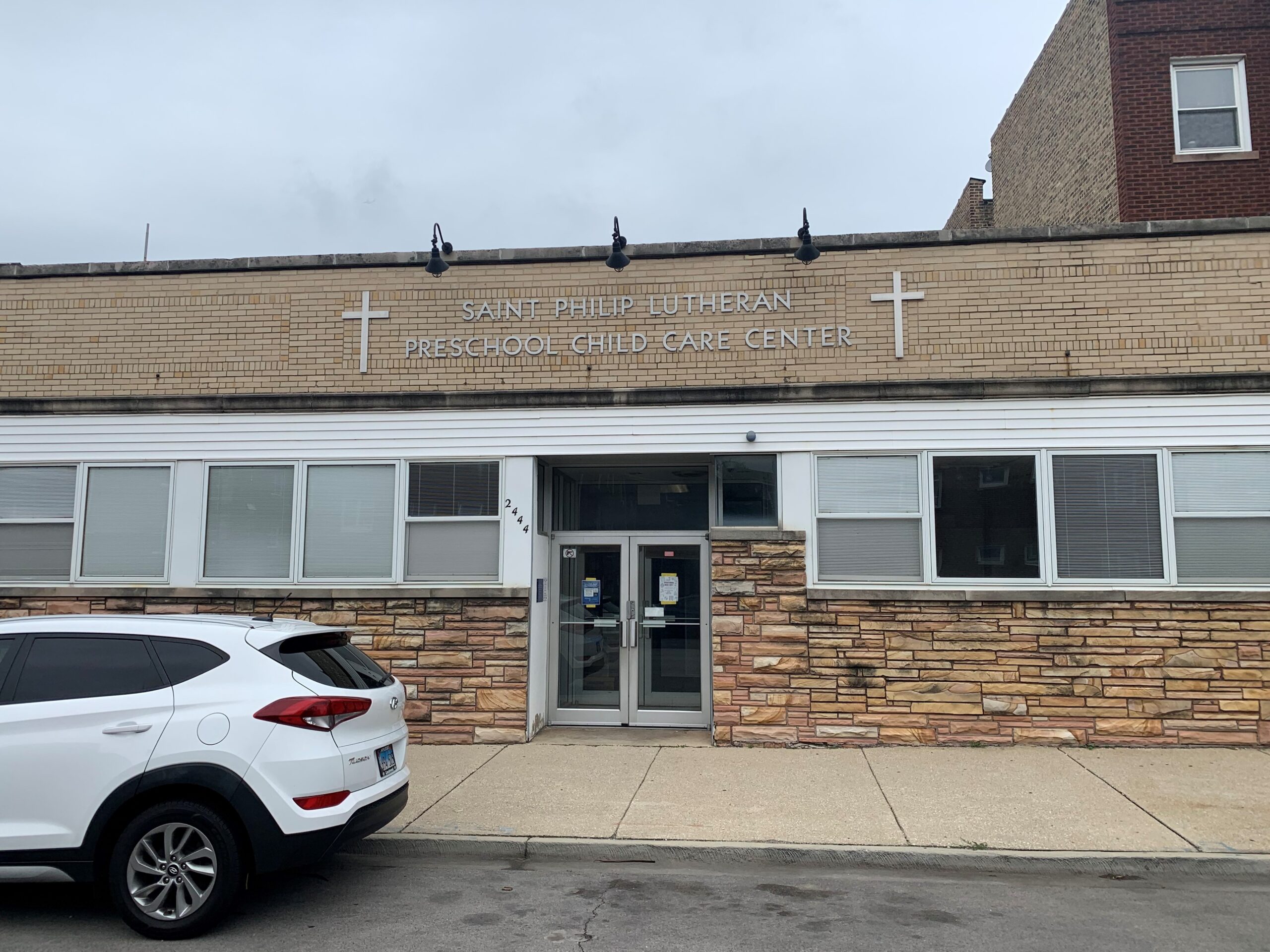 My time at LINC Ministries is quickly dwindling; I am feeling very downhearted towards this memorable chapter in my life ending. I have felt incredibly humbled to be both a CAPS Fellow and an intern for my dream nonprofit. This month I have started a project that has differentiated from the rest of my internship tasks. I have had the privilege of kickstarting a LINC Ministries project called Root to Rise. Saint Philip is a Lutheran church nestled in between the neighborhoods of Logan Square and Rogers Park of Chicago. This region is overflowing with diversity; many of the residents are from different countries in Africa, the Middle East, and Eastern Europe. The church has an abandoned Early Childhood Center which has been closed for three years now. At one point, learning was cultivated inside these walls for young children through the hands of passionate teachers, however, it is now a desolate and somber building. Thankfully, starting in the fall, the building will be transformed into a cultural arts and community center for families and children in the area. During the day the community center will house a workspace for residents to come and spend time in. During the evening, the building will become an afterschool program for students. It is crucial that these immigrant students have a place to congregate at night because they are unfortunately susceptible to becoming vulnerable to gang-related encounters. The children will be given the opportunity to express themselves individually and culturally during their time at Root to Rise. Classes such as dance, art, yoga, and other similar activities will be offered for the students. These classes will allow the students to learn more about their abilities as well as the abilities of others who may be different from them. This building will soon encourage hope for this flourishing community– the seed will be planted, the roots will firmly create a foundation, and the fellowship will rise.
In the meantime, I have been preparing Saint Philip for this impending project. Currently, the building has been used as a dumping ground for Saint Philip’s items; my job has been to organize and clear out these items. I have found myself in Chicago’s unpredictable summer days; I experienced 90 degree weather in that unairconditioned building and a brisk 60 degree day, preparing the building for renovations. I filled up over thirty trash bins, swept for two hours, hosted two curb alerts, and donated items. I have accumulated sweat and dirt, gained a new knowledge of social work, thanks to Brene Brown’s podcasts, and walked in with far too many iced matcha lattes.
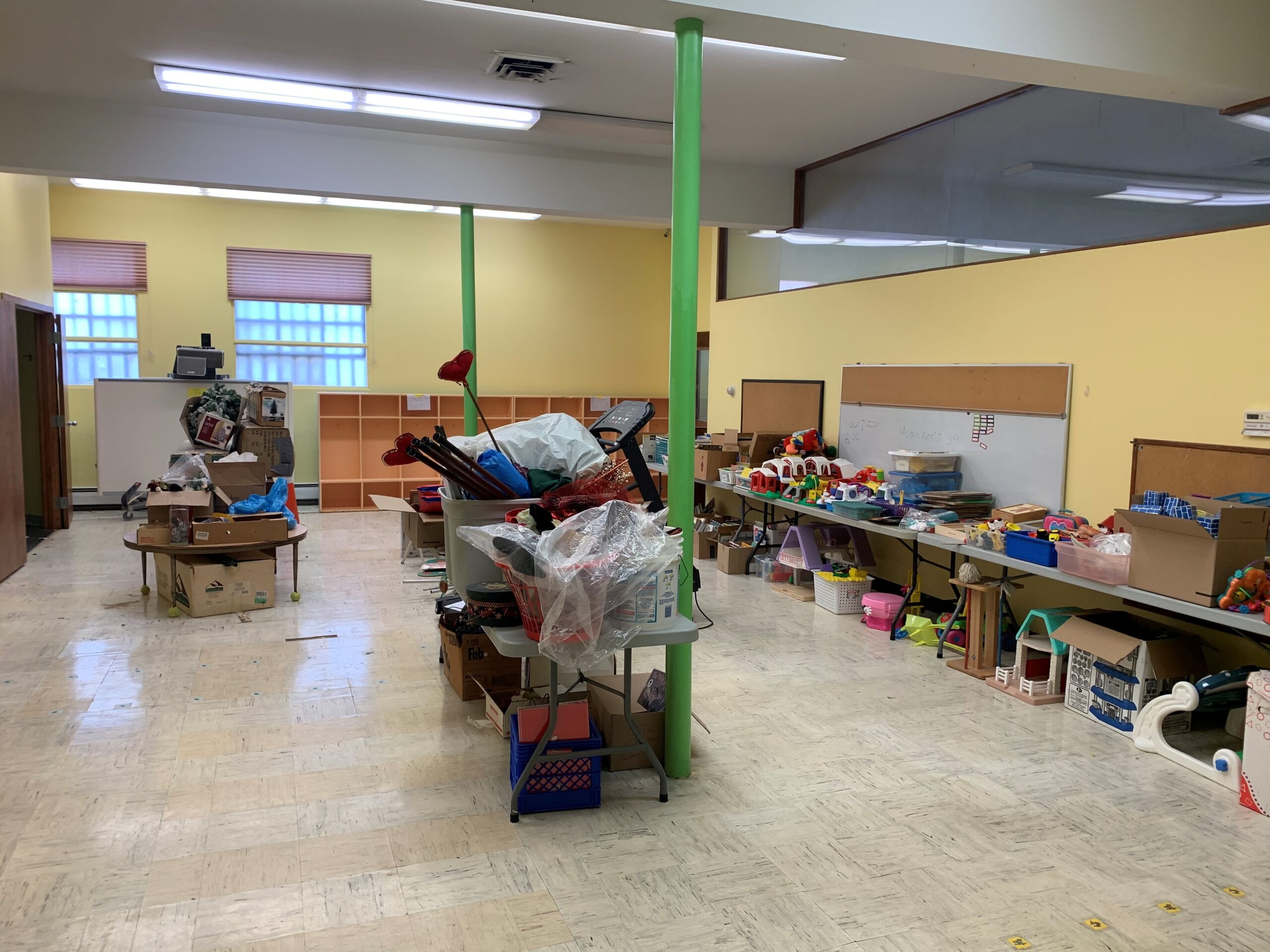
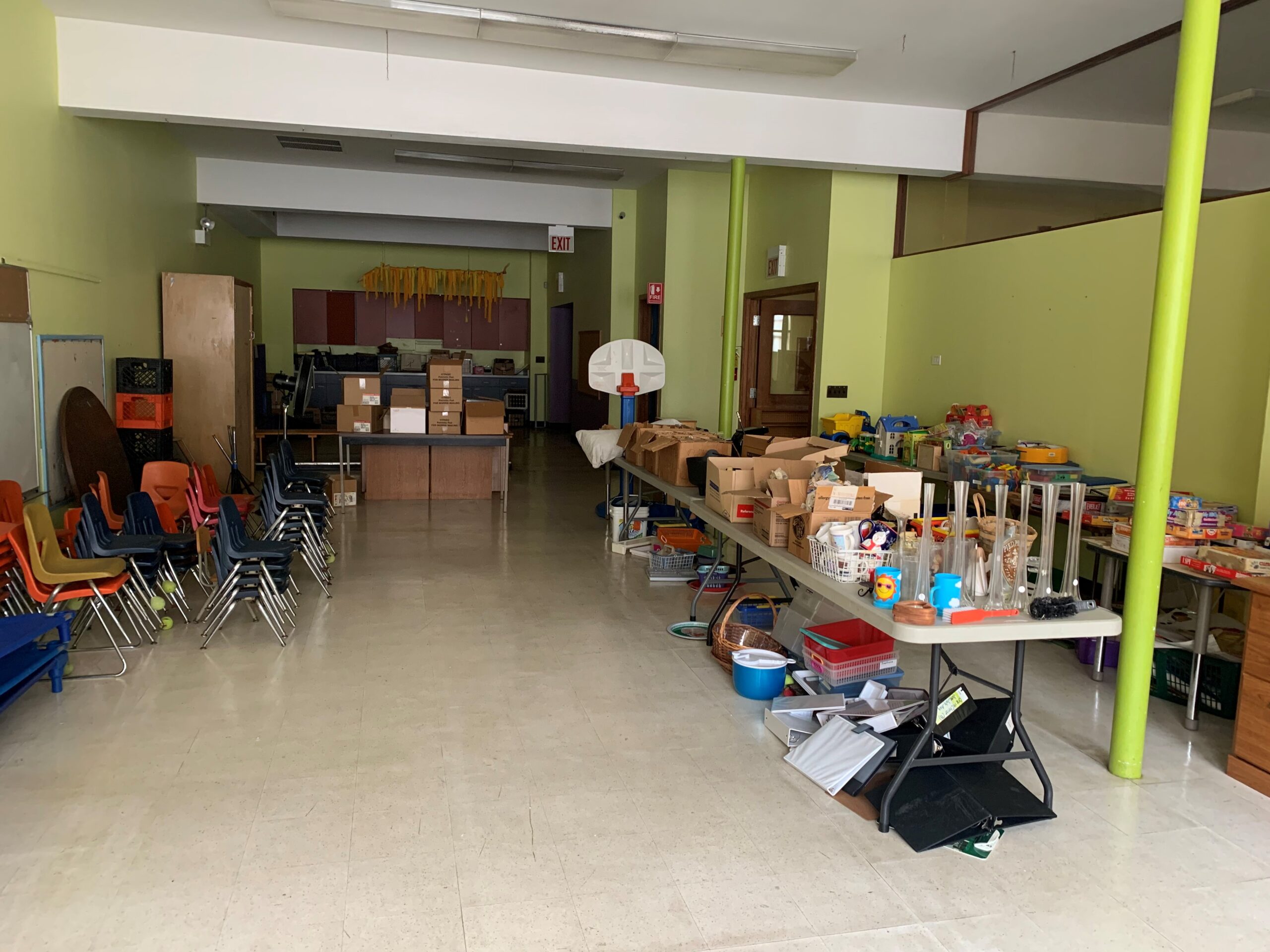
In all seriousness, I have enjoyed the opportunities and challenges that have come out of this project. I have had the privilege of connecting with the community through hosting curb alerts and community meetings. The curb alerts that we hosted at Saint Philip were a joy; residents of the community were able to come out, grab free items, and learn about the upcoming project at Saint Philip. It was encouraging to meet so many community members and learn about their stories. My boss and I were able to develop relationships and make connections for the future. I learned that with any opportunity comes many challenges. Clearing out Saint Philip was not easy; a lot of the time, my thoughts felt clouded and my body felt weak from all of the physical toil. I did enjoy the stillness that came with the building though, I found myself dreaming of the potential of it. What allowed me to keep going was the dreamt up visualization of my end goal. I knew that this cultural arts and community center would not be able to exist without the clearing of the building. I knew that I had a responsibility to fulfill, for the community. Through this experience, I was able to learn that hard work always pays off; nonprofit work is not always pretty but the end result is what makes it worth it. It took strong discipline to work on one project continually, but I am so glad that I kept with it. I hope to come back to Root to Rise years from now and see the impact that it has had on the community. I know in my heart that every long day spent at this building will soon produce fruitful fellowship for a community in need.
Going into my CAPS experience, I already knew I felt most comfortable work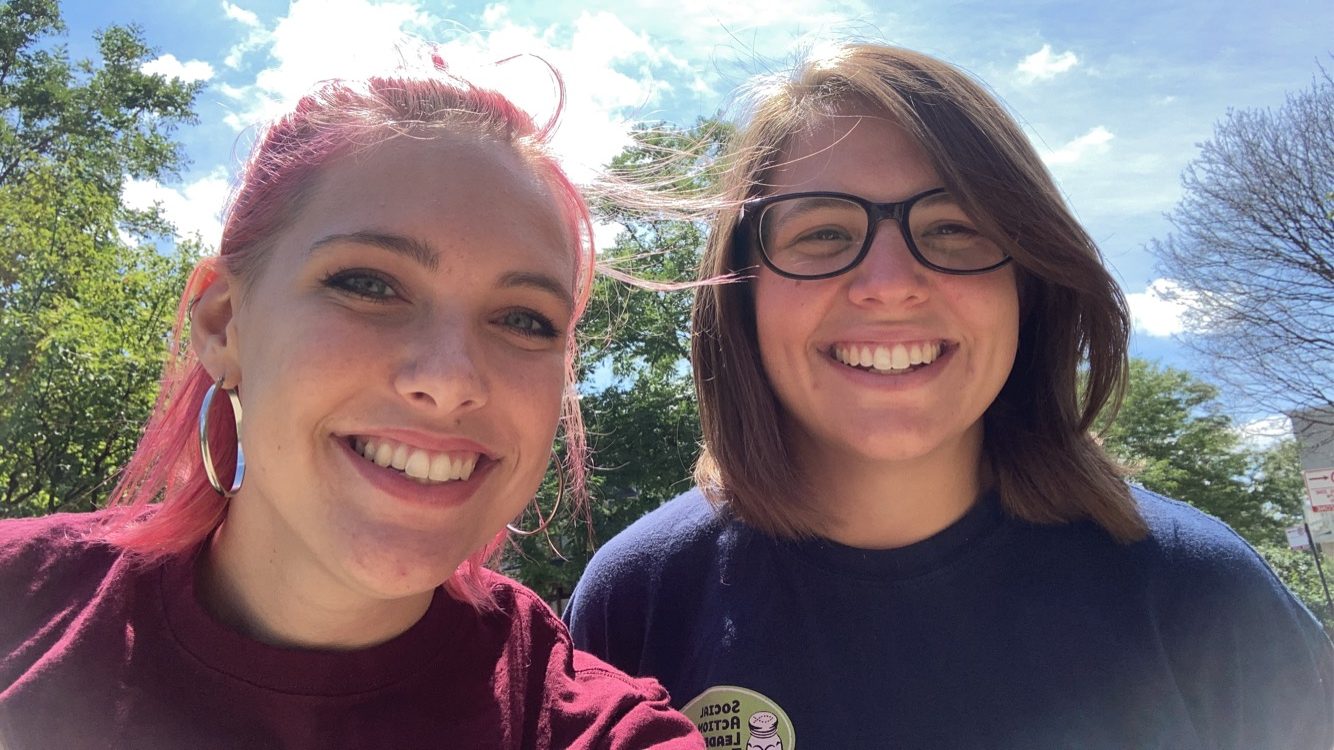 ing independently. I prefer assignments where I can take total control and responsibility. In group projects I can get frustrated by differing opinions and work paces. I love the groups I’m a part of, but I often take up projects that allow me to work at my own speed. However, I realized that I have been underestimating the power of a team.
I always saw myself working in a position where I didn’t need to work directly alongside others. My experience at Concordia Place, my placement site, gave me a glimpse into the joys of team projects. I initially requested tasks that I could work on at home without anyone else’s help. While this gave me lots to work on I also felt lonely and directionless. My assignments slowly started losing meaning and it became harder to work at my usual pace. When I physically came into work, I felt recharged. I’m 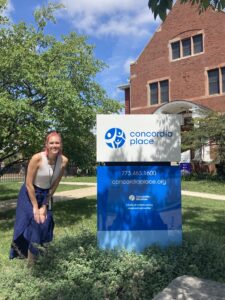 sure the change in environment helped my drive, but I felt most excited to work after I talked with my supervisor or one of my coworkers about my job. In past work experiences, I’ve had a hard time being social at the workplace because I’m so focused on my job. However, at Concordia Place, I found that allowing myself to open up to others gave the organization more meaning. By recognizing the individuals who make up the organization rather than just the overall work of the group, I felt closer to the mission of Concordia Place and to my own work.
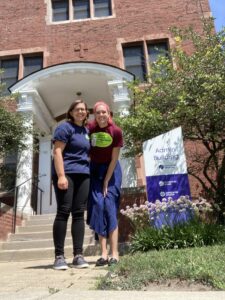
Something I don’t think I realized before my CAPS experience is the importance of an organization’s composition. I assumed I only needed to consider what cause I wanted to work for in the future. After Concordia Place, I know I need to consider the kind of people who work at the organization. If I feel inspired by the passion of others, I want to work side by side with individuals who genuinely care about the mission statement. I also know that I need to make an effort to know the people beside me. Since I hope to work on bigger-picture projects, I most likely won’t be in close contact with those who seek the services of the nonprofit. Relationships are always going to be more meaningful than a job description or a mission statement, so I need to invest in the relationships I make at work. I hope I can grow with my coworkers and develop a greater appreciation for the work I’m doing.
I feel confident about my future knowing that I can quickly adapt to a new work environment and get to know strangers in a relatively short period of time. I feel incredibly grateful for my internship position at CAPS because it showed me how much I relied on my community for support. Even though I enjoy working independently at school, I feel more fulfilled when I make personal connections with the organization. I might need alone time every so often, but regular interactions with coworkers brings me much more joy.
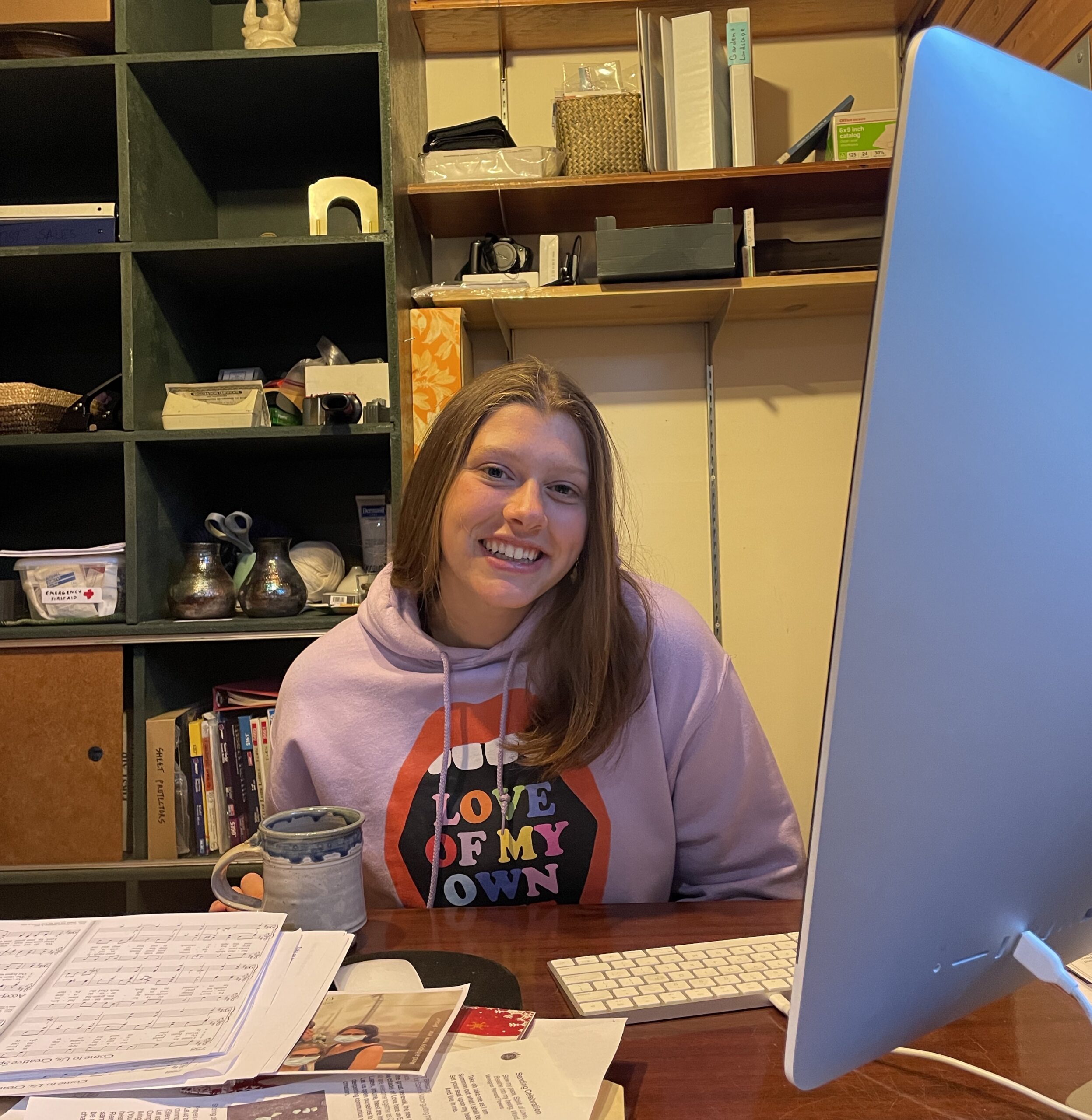
Working in the office!
My first two months here at the Grünewald Guild have flown by. As the hospitality intern for summer programming, I have been busy getting the campus ready for guests and creating a welcoming and comfortable environment during their stay. I order supplies, assign weekly responsibilities to staff, and oversee the turnover of guest housing each weekend. Since programming is at half capacity for the summer, the groups have been smaller, allowing us to form close connections during shared meals, classes, and free time. The biggest change over the past two weeks has been switching from almost completely unstructured days without guests, to having a daily schedule with meals and activities. This has shifted my daily work routine and my timeline for getting things done. Instead of being able to plan out my day according to my most productive times and the specific tasks for the day, I am guided by mealtimes and morning and evening services. While I enjoy having guests here, this shift has highlighted the importance of work-life balance.
My morning commute to the Centrum is a two-minute walk across campus (even shorter if I’m late for breakfast). The Centrum is the main building on campus and houses the office, community living room, kitchen, and dining area of the Guild. Living at my workplace has had major benefits. For one, my coworkers are also my friends and neighbors. The six other staff members are the only people that I see on a regular basis, so we spend lots of time together outside of our daily work obligations. When temperatures reached 115 degrees here a few weeks ago, we drove an hour to Wenatchee to see the
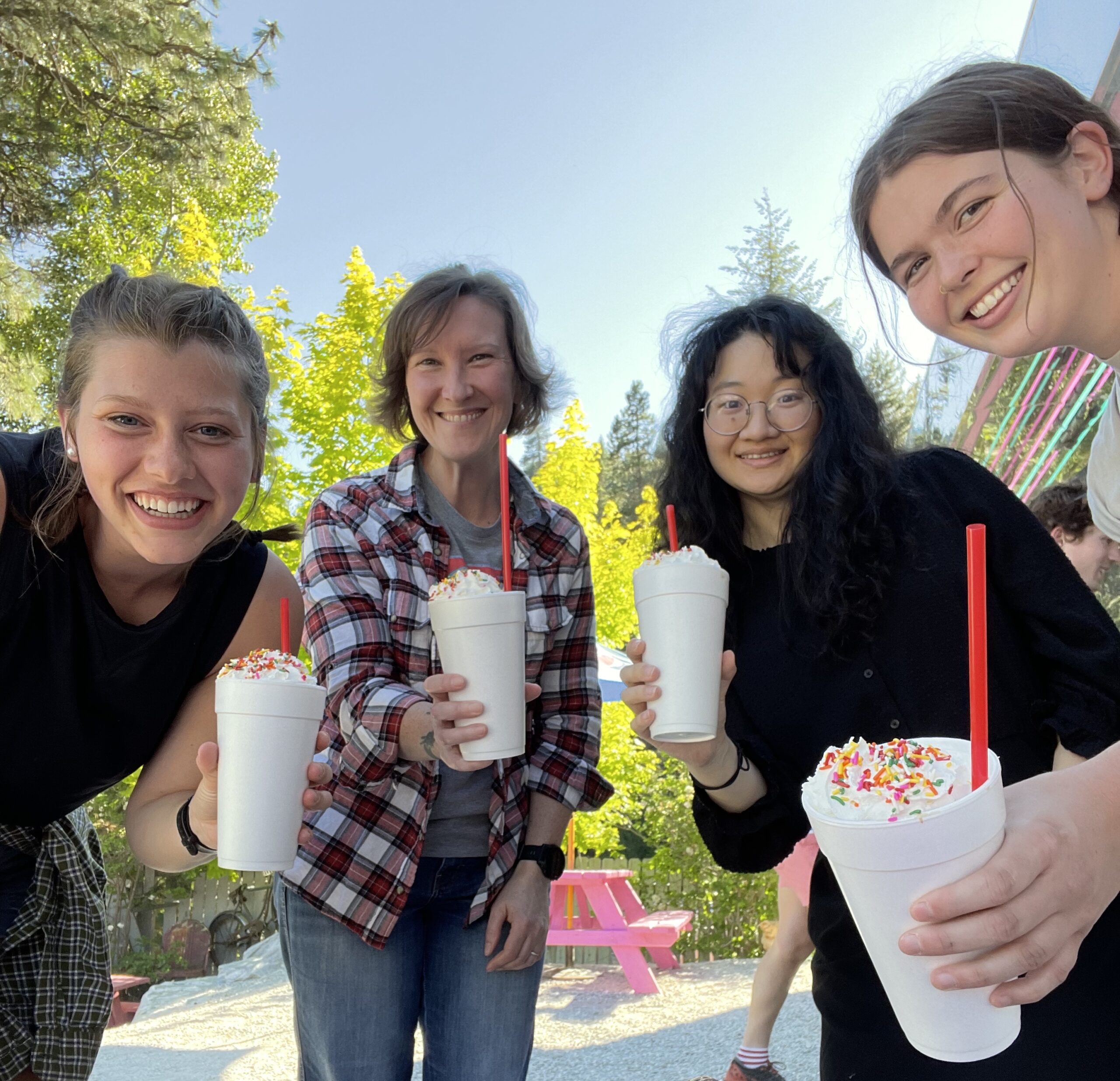
A staff outing to the 59er Diner with Gray, Judy, and Lucy
new Fast and Furious movie together which was a great way to beat the heat. We’ve made many trips to the nearby diner for milkshakes and gone on quite a few hikes. Living here has also allowed me to be completely immersed in my work and see how my projects impact guest experience and daily functioning on campus. The seeds we planted in June are now the plants in the garden that I walk by each day and enjoy in my meals. And I benefit from the organizing and cleaning work I do by having more enjoyable spaces to be in.
Despite the many perks of staying on campus, there are some challenges when it comes to navigating the balance of work and rest. Since I rarely leave the campus for more than an hour, it is easy for me to keep adding on projects to my day and find things that need to be done. My day starts at 7:30-8am with breakfast set up and ends at 8pm after evening service. Instead of a contained eight-hour workday, I end up working somewhat sporadically throughout the day which can lead to me feeling both overworked, and underproductive. I really enjoy what I do, so it is easy for me to see things that need to be done around campus and jump in without considering if I have the time and energy to do so. However, this challenge has given me the opportunity to practice setting boundaries and prioritizing my personal time as well as my projects.
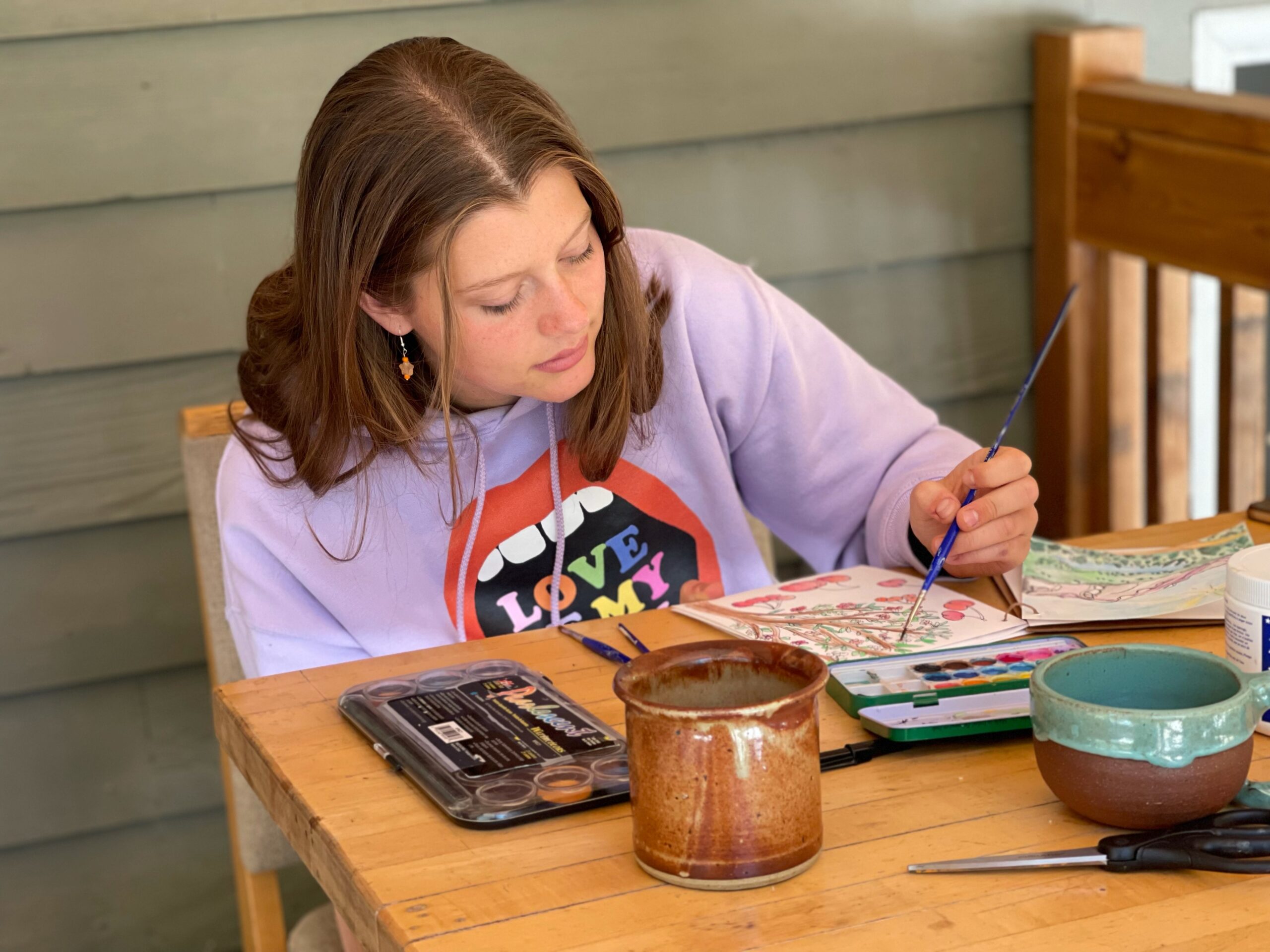
Painting on the porch in my free time!
Understanding what needs to be done and what can wait or be delegated to others’ is one of the most important things I have learned. During the 24-hour period between guests leaving on Saturday and arriving on Sunday, there are a lot of tasks to complete, but by assigning clear roles to each staff member, I feel confident resting on Saturday nights after my responsibilities are done. I also have more time during the week for the activities I enjoy such as hiking, art projects, and spending time with the staff.
During the height of the COVID-19 pandemic, working from home became the new normal, with the utilization of virtual meetings, projects, and collaboration. For some, working remotely increased productivity and flexibility, but it is likely that others struggled to set boundaries between work and rest. This summer, I have realized that no matter if I work from home or commute to the office in the future, I have the tools I need to distinguish between my professional and personal life and will be better equipped to set boundaries on my work. There is always more I could be doing, but being present in the moment, preserving my mental and physical well-being, and enjoying the time I have here are important too. When I find balance in my work, I am a better employee, neighbor, and friend. As guests continue to come and go this month, I am excited to hear their stories and make connections, as well as extend hospitality and kindness to welcome them into our community.