
Moving from a small town of 30,000 to the bustling city of Chicago, home to 2.7 million, was more than just a change of scenery. I encountered more people on my morning commute to work in the city than I would in an entire week of living in Valpo. To many, the electric atmosphere of the city is intoxicating. There are restaurants open past 10 pm and people wandering around the park at all hours of the night. The endless possibilities which wait around every corner store and transit stop.
For me, the city glow dimmed much faster than I expected it to. The unknown quickly lost its enchanting spirit and became overwhelming and at times, even scary. Living in a big city was not always what Gossip Girl and How I Met Your Mother made it seem. I took the wrong train more times than I care to admit and I ate way too much cheap pizza. Wandering around bright city lights does not always live up to the cinematic spectacle we dream it to be.
In a summer program dedicated to helping us discover how our skills fit into the world, living in a city where there is a danger of feeling insignificant among the crowd proved to be a real challenge for me. I could walk down the street and not see one familiar face or have a meaningful interaction with someone. In those moments, I was so thankful to have our Valpo cohort. Having people who were experiencing similar feelings and being able to communicate openly about the struggles we were facing made them much easier to process.
For any future CAPS fellows who may come upon this, I encourage you to reach out to those around you. Feeling swallowed up in a sea of thousands is a reality you may be facing, but you are not facing it alone. Lean on each other and check in with the people in your cohort. One of the most important takeaways from my summer was learning about the community I keep and what people in my life supported me. Make the most of the time you have and forge new relationships within your cohort. You’ll be surprised at the opportunities you find along the way.
Hello, all! Last we spoke, I had just begun my adventure in the South Loop of Chicago’s downtown. Now I find myself in a period of transition, wrapping up my work at Ingenuity and preparing to return to Valpo for my final year of undergrad (crazy, I know). My time at Ingenuity has been everything I had hoped for and so much more. I have learned a wide variety of new things – from how to draft tweets for an audience of over 2,000 followers to how to write basic programming scripts in R. However, of all the new things I learned while interning at Ingenuity, one stands out to me like no other – Steve’s Law.
Steve Shewfelt is the director of the Data and Research department here at Ingenuity. Prior to joining the team at Ingenuity, Steve served in the military and later completed his PhD at Yale University. This summer, I have worked alongside Steve, Tom Bunting, and Emily Cibelli, the data team, in thought partnership around updates to artlook Map, an Ingenuity website that connects arts partners to Chicago Public Schools. Ingenuity launched artlook Map in 2015 as a one-stop-shop for Chicagoans to learn more about the arts education landscape in Chicago and since its inception, artlook has garnered attention on a national level. The majority of my work this summer has been centered around artlook in collaborating on the user experience and design, performing QA testing after a database migration, and collecting user feedback on potential new design implementations. However, here’s where it’s important to note something Steve said to me at the beginning of the summer. In the very first conversation I had with Steve regarding artlook, Steve said, “this is all completely new to us. We are not software people; we are data people.” And in a conversation I had later with Tom Bunting, Ingenuity’s Data Strategy & Products Manager, he would go on to describe the work they do around artlook Map as “making it up as we go along.” The phenomena that Tom described to me, I would later find out has a name – Steve’s Law.
So what exactly is Steve’s Law? Steve’s Law is the following: everyone, everywhere, all the time is making it up as they go along. That’s it. Steve told me about his law in a meeting we had along with the other Ingenuity CAPS Fellow, Claire Utzinger. I remember the feeling I had when he shared this lesson. I felt both terrified and absolutely relieved. At first, I began to question everything around me and what I have known to be true my whole life. I questioned the adults in my life who I have always looked up to and admired and began to question the advice and help they have shared with me. However, upon further reflection, I realized that Steve’s Law is not about a lack of knowledge but more so about endless possibilities. Steve’s Law tells us that life is unpredictable and filled with challenges, but that’s what makes life so exciting. No one knows what’s going to happen tomorrow, and that’s perfectly okay, because when we get there, we’ll figure it out. And nothing could more accurately describe the work being done at Ingenuity – and honestly, it’s been nothing short of inspiring. While it’s true that artlook Map is actually developed by professional software engineers at LaunchPad Labs here in Chicago, the ideas that power artlook are developed in-house. Steve, Tom, and Emily regularly meet to discuss what artlook is and what it could be – despite none of them having any sort of software background.
Although my summer at Ingenuity has ended, the lessons will remain with me for a very long time. I would like to thank the team at Ingenuity for having me this summer, and thank my friends and family for being so supportive of me in the last three months. My alumni mentor this summer was Gideon Litherland and I anticipate his mentorship and friendship will long outlive the summer. I would also like to thank Katie and Thais at the Institute of Leadership and Service for their help and guidance in navigating the waters of the CAPS fellowship. And finally, thank you, reader, for reading this. I hope you take Steve’s Law and run with it.
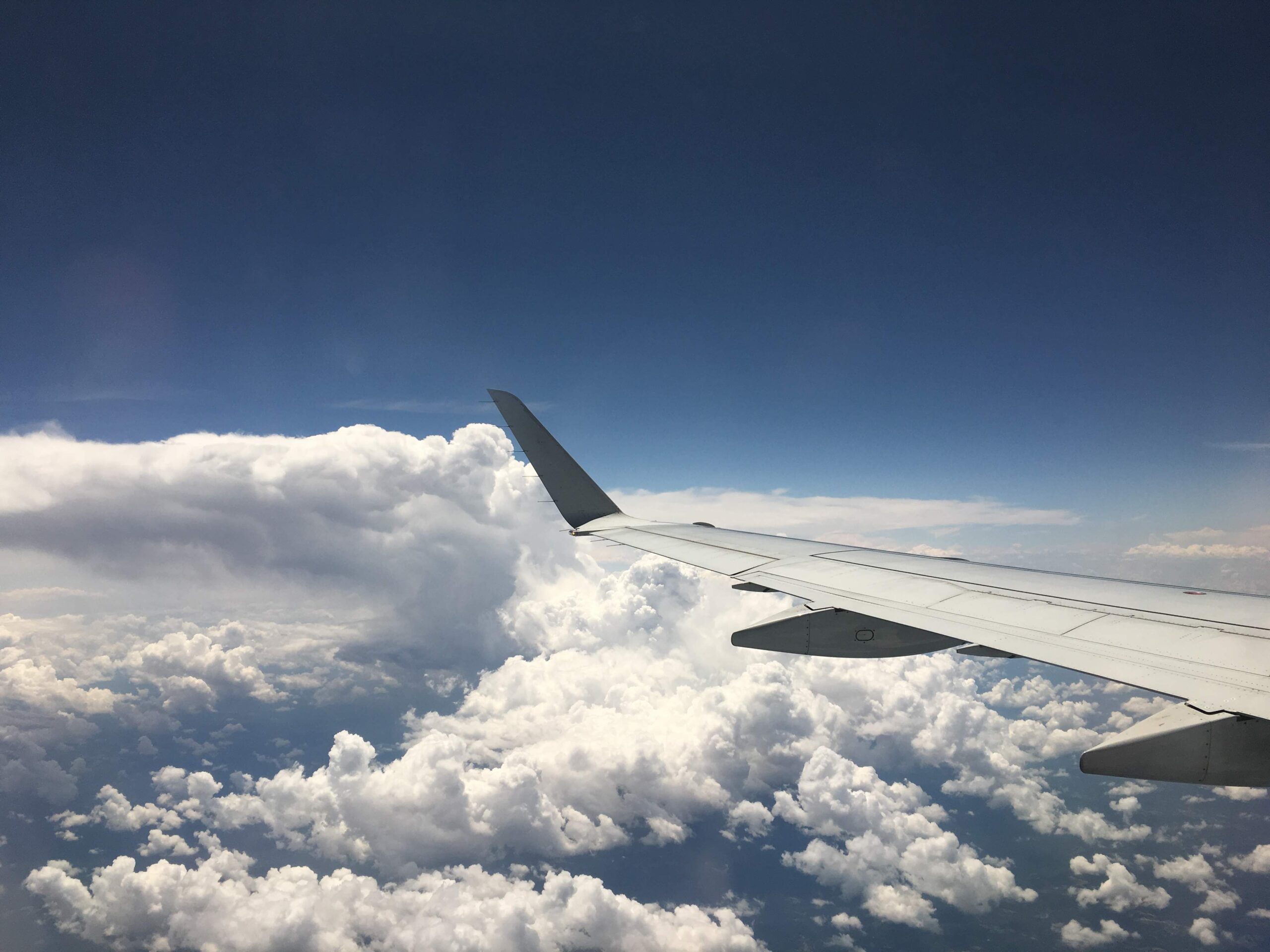
Throughout these closing weeks of my summer in DC, I have found that it is getting easier to lose focus. As the uncertainty of what comes next looms large ahead of me, I find myself seeking distraction to keep apprehensive feelings at bay. Luckily, CAPS has provided me with opportunities to reflect, and this has helped bring me back to focus. A reflect-in here, a email thread with our CAPS director Katie there, and I find big questions again being brought to the forefront of my mind.
Sometimes, when reflecting, it is easy for me to see the negative things. For example, I think that if I had been more organized, I would have done a great deal more of job searching earlier in the summer. At the same time, I think about how I wanted to try to dive into DC head-on as much as possible. Looking back, I think there were weeks where I did a great job of this. Other weeks, I was tired, or lazy, or just did not plan ahead well enough to do all that I wanted to do.
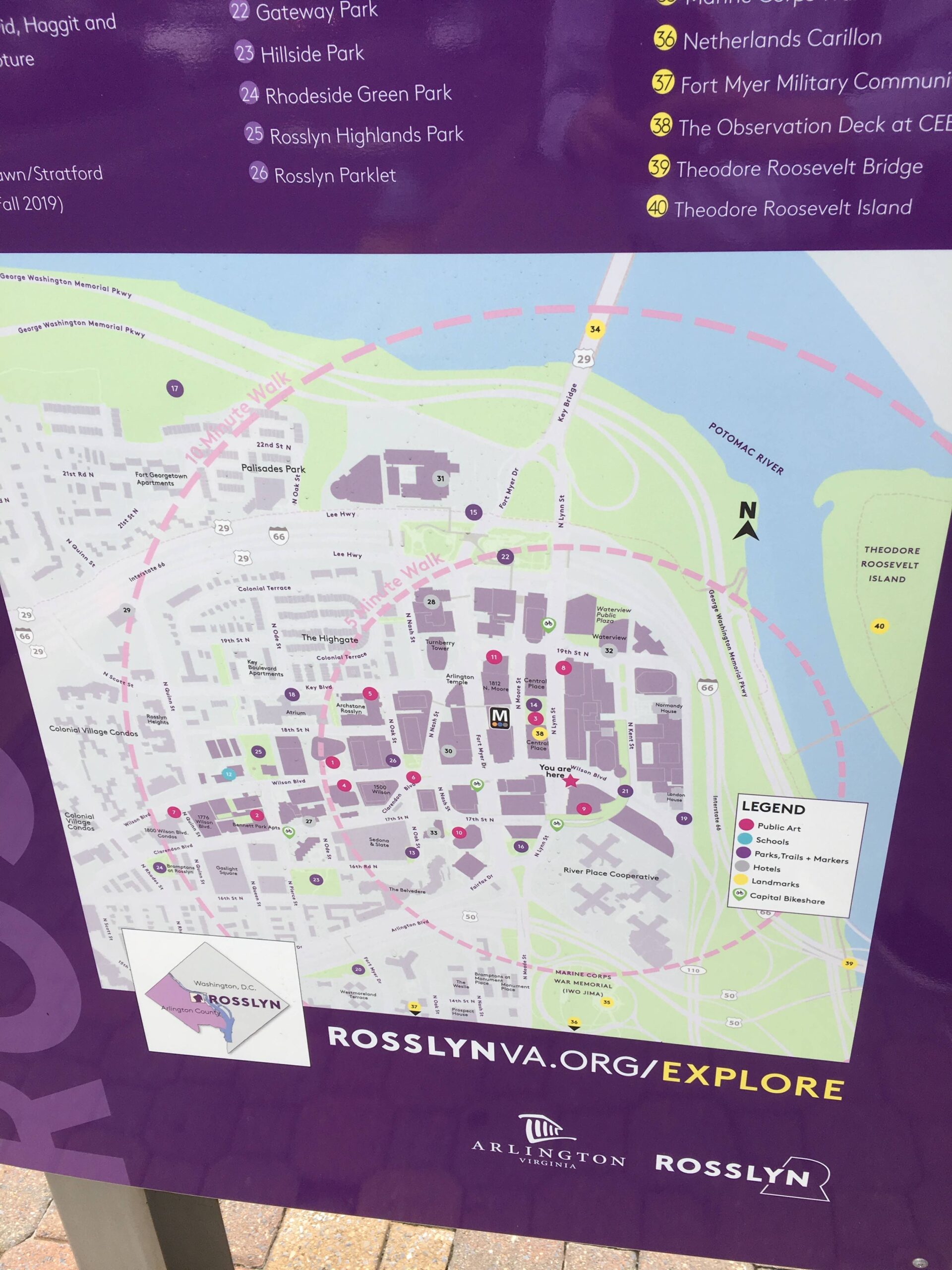
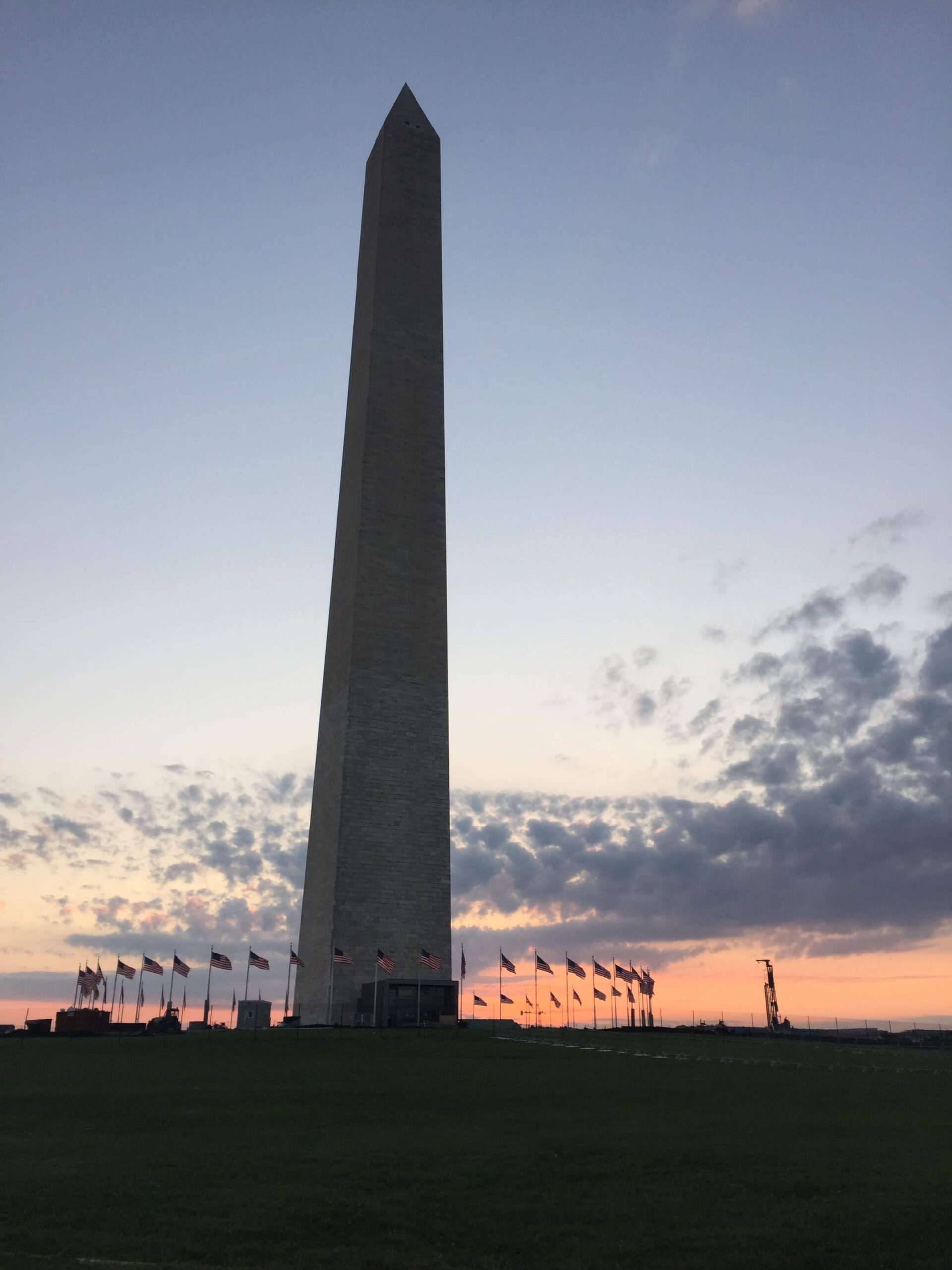
But I try to give myself some credit. DC was a huge change of pace for me, a completely different living and working experience than I had ever had before. I am happy for the things I did well, and I am trying to learn from the things I would like to do better. I already look back on the nights I stayed in or the weekends where I spent most of the day fretting over what to do instead of actually doing, and I somewhat disappointed. I wish that I had planned better, or had gone to bed earlier the night before so I wasn’t so tired after work, or had not worried so much about what something was going to cost. But I also remember going to the monuments, and museums, and jazz festivals, and happy hours, and networking events, and I am very happy that I chose to spend my summer in DC, despite how new and challenging it might have been.
The most helpful aid to experiencing DC to the fullest was my CAPS cohort. They gave me a community to be a part of outside of work that made DC seem much less imposing. Some of my greatest experiences in DC came out of time with the cohort. And it was not so much that I did not have to go do something alone (although this was quite nice). Rather, it was that I had people to share the experience with that made these adventures great. I cherish CAPS for providing me with a community of great people during my stay here, and I hope that wherever I go next, I can find a great community that I can take part in.
As I look forward to my future after CAPS, I am somewhat overwhelmed by the possibilities that seem open to me. I have tried my best while in DC to network with different people and to learn about the possibilities for a professional life here. And although I have found that there are plenty of unique and interesting fields of work in DC, my heart is not set on it completely. I still have a mind to go even further and explore opportunities to work abroad. I have started wrapping up networking and ramping up applications. I hope that whatever I do and wherever I go, it will be enriching and informing as my CAPS Fellowship has been!
Having an internship this summer was a huge adjustment for me, and I’m glad to have worked at Water To Thrive. On our last day at work, they threw us a goodbye pizza party. My experience here was different than what I expected. I was lucky to work under the accounting manager for Water To Thrive which was cool for me since I am an accounting major. I also got to help create a budget plan for the well projects that my supervisor got to use on her trip to Ethiopia. Majority of my time at W2T was spent planning our Chef’s Table Austin fundraiser which will take place in September. I contacted restaurants in order to get gift card donations for the silent auction part of the fundraiser.
One part of this internship that I didn’t get to experience was traveling to Ethiopia with my supervisor Susanne and other interns. However, I plan on going on a trip with this nonprofit sometime in the future and staying connected with them and the work that they do, because their mission is something that I have always been very passionate about.
My time in Austin is coming to an end. I have learned so much about myself this summer. From shopping for groceries, budgeting money, and exploring Austin to balancing my internship at Water To Thrive while taking two summer classes, it has been a very fun and growth filled summer. I feel a lot more prepared for senior year and my future career. I am starting to think about the kind of jobs I will be applying for by graduation. I always thought that I would live in Chicago after I graduate, but since moving to Austin this summer, I have loved it here and would consider a job here.
Austin is a great city with so many opportunities, and I look forward to being back here sometime soon. I am going to miss so many things about this place. I’ll miss the unlimited food trucks down every street, the food in general (especially the tacos), the live music, going downtown on the weekends, attending free events in the city, and movie nights with Madison and our deep talks about literally everything. I am going to miss everything about this experience, and I am so grateful to Valpo and CAPS for giving me this amazing opportunity. I can’t believe that in about a year I will have to start looking for jobs, but I am also confident that my experience here has brought me one step closer in preparation for the future.
The time has come to leave the Kheprw Institute. In such a short time I have developed deep and intentional friendships with the Indianapolis CAPS cohort as well as with the 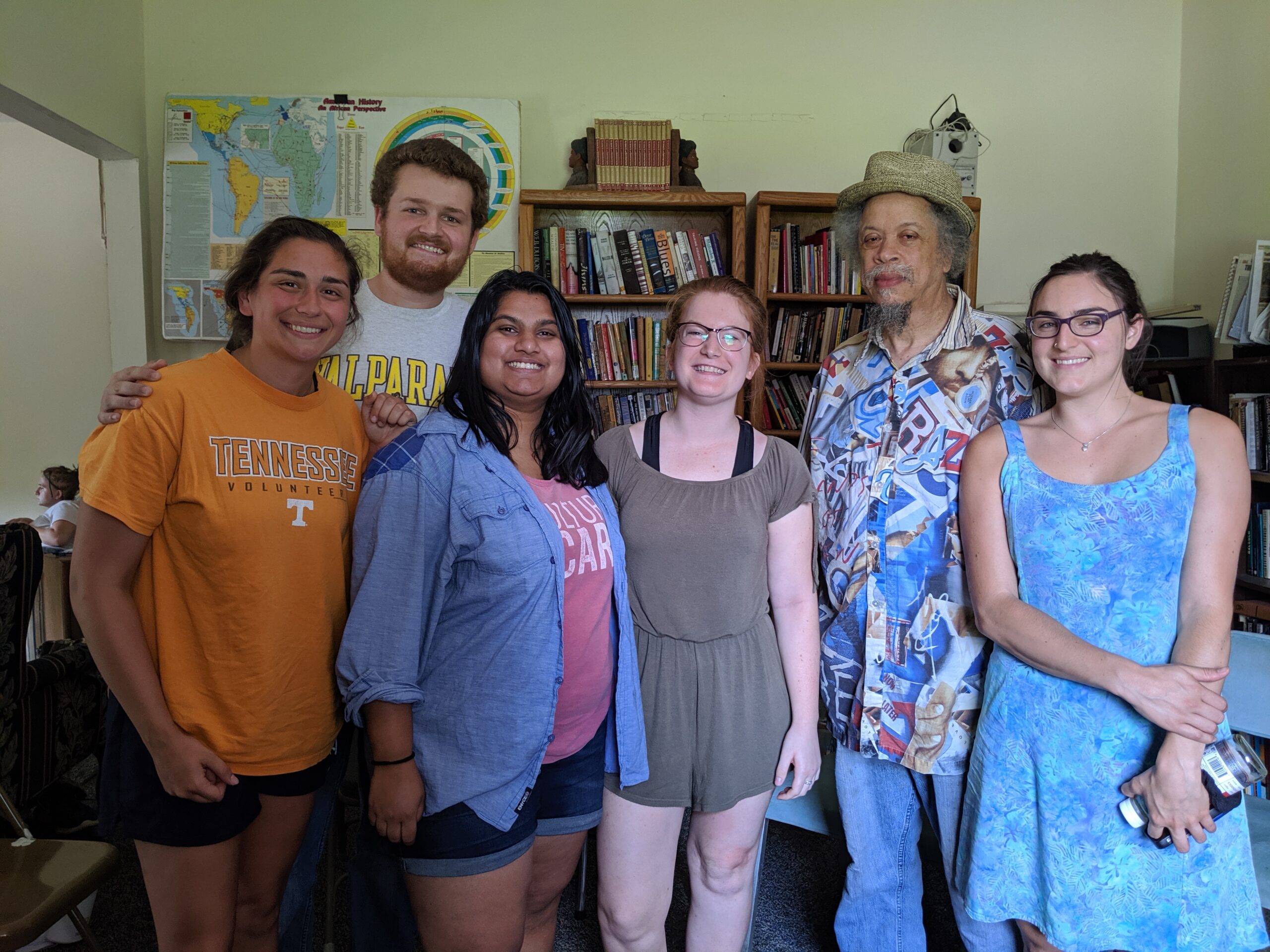 Kheprw staff. I had no idea that this place would become my home away from home -and these people would become my family away from family. Each morning we would have two hour discussions about our day- our goals, plans, accomplishments, and most notably how we are doing. In any “professional” space I have been, discussing your personal feelings and concerns were off the table. Here at Kheprw, they are welcomed. It is a support group unlike any other.
Throughout the summer us interns completed different projects for the team. I helped put an aquaponics system back together, write emails for an entrepreneurship incubator, create an online curriculum about social capital, construct an LOI for a grant, and other various assignments. While at times it seemed stressful, it was nothing more than we could handle. There was a constant middle ground between leading and learning.
 Overall, I am grateful for this experience. I learned more than I could have in the classroom and had enough support to do it without overextending myself. While I am excited to see my family and friends again (combining the time studying abroad and working here, I’ve been away for almost eight months now), I am also sad to leave. Through this program, I was able to broaden my connections, my education, and my ideas of what service, leadership, and purposeful work mean. I am excited to forge a new path ahead of me but I will never forget what and who helped me get there.
Times of transition. They are different for everyone and people experience them in different ways; however, what usually links them together is the reflection that occurs from going from one chapter of life to another. This summer has been a time of transition for me as I am in the gap of time between being a student and being an “adult”. Graduating from Valpo this past May marked the end of my time as a student and my CAPS experience has been a blessing as it has been the experience that I needed during this time of transition within my life. It has provided me with time for the reflection, growth and self-discovery that is integral following a major chapter of life.
Below is an excerpt from my CAPS personal statement that I wrote as I was applying to the fellowship program:
One of the biggest question that I keep asking myself is how can I help people find their own vocations when I am so uncertain about how to enter into mine? I have found my calling, but I do not know how to get there; I am questioning how I can personally make a difference in the lives of refugees. In today’s political climate I am having a hard time understanding how people can be afraid of individuals who are just trying to live in a place where they feel safe and accepted. I ask myself where is the best place for me to begin working with refugees and immigrants when their future in the United States is so uncertain. Knowing that migrants are people that deserve to be treated with respect, how can I improve the environment in which they are entering into?
How can I improve the environment in which refugees are entering into? The answer I have learned from this summer… by walking alongside them wherever they are in life. These are individuals that are in major times of transitions within their own lives. They have packed their entire lives into a few bags, flew to a new country, and are trying to create lives for themselves in their new home. What I think is so valuable about the work that Heartland Alliance does and how they do it is the fact that they are meeting participants where they are at in their journey of resettlement.
It ranges from extensive interactions during the first few weeks and months upon arrival to assisting in navigating employment changes to times in which the participants ask for guidance down the road. For me, a majority of my interactions with participants occurred during the first few weeks after arriving in Chicago right in the heart of that time of transition. It included navigating social security and public benefits, accompanying to medical appointments, demonstrating how aspects of an apartment work and anything else that needed to be done.
While working with individuals that are going through their own times of transition really helped me in understanding about my own, it put some of my feelings into perspective as everyone goes through these times of transitions within their own lives. Yes, I learned that it is okay to feel scared and nervous. It is okay to feel overwhelmed and lost. It is okay to be excited while also being terrified and it is okay to lean on others and ask for support. This summer I learned that walking alongside refugees as they resettle in the US results in you being the person that they lean on sometimes. For me, I knew that it was okay for me to lean on others for support as well: my family, friends, roommates and the list goes on.
Everyone is going some through time of transition whether that is the time between student and “adult” like myself, a new job, a new relationship, a new health matter or any other new element of life. We all need to be the support for others to lean on just as we have relied on the support of others. One aspect that CAPS has taught me is that we can impact the environment in which the people around us are in just by walking alongside them wherever they are at with their journey especially during their times of transition.
My internship ended on Thursday and I have traded in my apartment in the city of Indianapolis for the home of my family. I have transitioned from my quite apartment to my hectic home with my parents and 4 siblings. Since coming home I have spent a lot of time reflecting on my ten weeks at Kheprw Institute. While working there, I saw things that I had only ever read about. Things such as gentrification, food deserts, and other ailments that low-income communities suffer from. I spent the entire summer helping to build out a fundraising campaign to help Kheprw address these problems. However, I still left feeling like I should have done so much more. I also have struggled with guilt since leaving Kheprw. Here is a low income community that is only 20 minutes from my home, that I had no idea existed. It has been right there for me to go and help in all this time, but I have done nothing for them up until this point. Knowing this now, having these feelings, and having gone and helped in this community, I know face the question of, what’s next? I have always tried to live my life by the mentality of: if we have the ability to help, we also have the responsibility to help. That leads me to the conclusion that if I know there are these low income communities so close to where I live, then instead of feeling guilty for not knowing, I should harness that guilt to make a difference like I did this summer. However, only one question remains, where do I start? I find this to be a difficult question, because I don’t spend a lot of my time in a single place. I spend a lot of time in Indianapolis (with my family) and at Valparaiso University. However, I have learned two thing for certain this summer: there are always opportunities to help nearby, and that help should only be what those in need say it should be. With that being said I think I will start to identify those in need around Valpo and perhaps more in Indy, then learning from them what they need, because assistance is useless if it is not what the those in need wish for. These will be my next steps, and then the next course of action will present itself after they have been taken. This is the closest to a plan that I can come up with while drawing on my experiences this summer. While I am uncertain about who is in need by my two homes and what kind of assistance they may desire, one thing is unquestionable; even after my time at Kheprw, there is still work to be done.
This summer has been one of the most amazing summers of my life. I have learned so much in such a short amount of time. I have fallen in love with Indianapolis and found a home there. I’ve also fallen in love with the Harrison Center and the work the incredible staff is doing to create positive change in Indy.
The Harrison Center builds relationships with the residents and business owners of Indianapolis neighborhoods so they can help make neighborhoods healthy, foster community identity, and work on renewal in the city. Art is central to this work. The Harrison Center is home to 32 resident artists, many of whom are creative placemakers and collaborate with the Center for city projects. The “city side” of the Center works on building these close relationships with people all over the city and engaging them through art and other creative mediums like public art events, public art installations, porching, and other creative placemaking tools.
This form of activism is innovative and, though it continues to gain popularity across the country, it is still unconventional. I had never heard of creative placemaking until I came here. On the first day of my internship, my internship coordinator, Moriah, told me we would all be attending a porch party for lunch. I was very confused as to why we would be eating lunch in a neighbor’s yard in the middle of the work day. By the end of my first week, I was quickly starting to understand why.
This summer, we worked specifically in the Martindale-Brightwood neighborhood of Indianapolis. All of my internship projects were focused on connecting this neighborhood’s past to the present. The goal of the work is to invite new residents and business owners in the area into the existing stories and traditions of the neighborhood as it continues to experience gentrification. This kind of community engagement the Harrison Center does unites the community, and it eliminates racial inequity.
I organized a storytelling night for the residents of Martindale-Brightwood to share their stories with new neighbors. I also co-created an art show with fashion pieces that celebrated neighborhood matriarchs. I spent a lot of time porching with residents, interviewing them, and taking their photographs. Resident artists painted these older residents’ portraits and they were turned into billboards, postcards, and shown at exhibitions for all of Indy to see. All of these initiatives are examples of creative placemaking.
The work the Harrison Center does is hard. It takes years of effort, dedication, and a strong belief in the cause. It truly takes a village, but it works. In just two months, I was able to witness a community in Indianapolis become closer, more loving, more understanding, and stronger. The Harrison Center has shown me the meaning of community, how to build it, and what it can offer us as humans. It has shown me what a neighborhood really looks like, and that we desperately need close-knit, healthy neighborhoods with identity and culture now more than ever. As I leave Indianapolis, I feel confident that I can take what I’ve learned here and bring it to my own community.
After finally retreating home from our nation’s capital, I have finally been able to reflect on the significance of my CAPS experience and what it has taught me. After working at Venn Strategies this summer, I have gained numerous professional skills and an overall deeper understanding of how politics functions in the United States. Working at a governmental affairs firm has provided me with a much more in-depth view of how our government operates and how policy is a constant battle.
As a general research intern at Venn, I was able to work on a variety of issues. I did research on the devastating maternal mortality rate in the U.S., a crisis where black mothers die at a rate 3 to 4 times greater than their white counterparts despite the socioeconomic conditions. I also had an ongoing project where I researched the upcoming revisions of the Dietary Guidelines. I learned about the importance of limiting the influence of big food and pharmaceutical companies, ensuring a scientific-based Dietary Guidelines for the country. These experiences, and many more, taught me the importance of knowledge and the necessity to be aware. In this current political climate, there seems to be an abundance of problems but only a number of solutions. Being able to watch congressional committee and caucus meetings, I discovered how much influence the American people have. There are many congresspeople who are passionate about solving these social and economic issues, however, their voice is constrained when they don’t have adequate support from their constituents. Working in Washington did confirm my suspicion that big money influences a large amount of how our government functions; however, there are politicians, lobbyists, investigator generals, and many others that a ready to change this norm. For a government to be representative of the people, the people must be passionate about being represented. There is a reasonable mistrust between the people and the government, specifically for minority groups. And while I and many others are unable to fully understand those experiences, that doesn’t mean that this isn’t the time to fight for their platform. It is necessary that our country allows everyone to be represented and more importantly supports them to be their own advocates.
My sociology education has made me critical of our society, but my CAPS experience has made me realistic on how to shift these social structures. Working in such a political environment showed me the significance of being aware and knowledgeable of current issues. There are a lot of underlying barriers that make it difficult for everyone to be represented, but my internship taught me that there are a lot of people trying to change that. Knowledge is a powerful tool, and if we want things to change this upcoming 2020 election, then this tool needs to be as accessible as possible for everyone.
In my first blog post, I explained that I didn’t really have a good idea of how I will start the search for my ideal career. I want to find a job that combines my love of the arts and working with people, but where does one find that after they graduate? One of the many opportunities with which Ingenuity has provided me is to sit down with the directors of each department to learn about their role in the non-profit and ask them any questions I have. The big takeaway for me was that each person had different pieces of equally valuable advice. So far, I have learned some important life skills from my time at Ingenuity:
- Always ask questions. This could include asking for help on something, asking why something was done a certain way, or even asking to be apart of a committee that you feel passionate about. Sometimes things will happen if you just ask.
- When applying for a job, figure out what you want to do and find the place that does it best. This will set you up for success in the field you are interested in. If you do this, you will know that you are going to make an impact on the community because the organization strives to do good work.
- Have a plan and then do it. When you choose a job, think about how it could help you get to where you want to be two jobs from now. Planning in advance can really propel you on the path to the career you want.
- Network, network, network. Everyone always says this, but it’s true. In order to know people who can help you at some point in the future you have to meet people, introduce yourself, and talk about your job for a little bit. Not too bad for the payoff that could come from just a simple business card exchange.
- Be a sponge. Take in everything. See what the people around you are doing and how communicating, situations, and tasks are handled. Learn from these things. Also, ask for an explanation if something doesn’t make sense.
- Funding is very important in the nonprofit world. Matching a donor’s passions to your organization’s needs is crucial. This, in turn, can be great advertising because your funders will be interested in talking to other people about what they have taken part in.
- Step up, or step out. Demonstrate visibility in the workplace and don’t be a wallflower. Make thoughtful and respectful contributions no matter what position you have. Show up fully present each day because if you are not here to work hard and get the job done, someone else will.
- Customer service skills can get you a long way. Knowing how to communicate and work with someone in a way that takes into consideration who they are and how they operate is very beneficial.
- Expertise is created by hard work and creativity requires risks. From the beginning of time, people have been testing ideas and passing down what they discover. Someone might have more experience in a certain field than you, but they only got good at what they do from trying something out, failing, and coming up with a new plan that could potentially work better than the one before. Then it did. Sticking with it and working hard is a better strategy than luck — although a little luck doesn’t hurt either. Everything in the world was created by someone no smarter than you are. “It’s supposed to be inspirational and terrifying.”
- Make sure that you are confident in the workplace. People who put you down are only projecting their insecurities onto you and it isn’t your job to carry their burden. If something is toxic, get out of there fast.
You can see from this list that many different people took part in giving these pieces of advice. All of them are relevant in different ways, so I look forward to being able to look back on these ideas and connect them to my decisions, projects, and career goals in the future.