
I am writing this while sitting at my small wood dining room table. My cat is curled up next to me and there is a soft light coming through the windows that face the street. It is weird to be home, to be back in St. Louis. I have had so many homes in the past three months. When I leave St. Louis to go back to Valpo, I say I am going back home. When I leave Valpo to go to St. Louis I also say I am going home. During CAPS my roommates and I would refer to our apartment as home. I even say I am going back home to see my family in Washington even though I have never lived there for a substantial amount of time. Over the summer I thought a lot about what really made a home a home.
When I was younger I thought of home as an unwavering permanent place. I had grown up in the same city, only moving once when I was five so my house had always been my home. Many people say home is where the heart is and to some extent, I would agree. Valpo, St. Louis, Indianapolis, and Washington all have pieces of my heart and have people I love there. Not all of these physical spaces always felt like home. It wasn’t until I felt safe, secured, and loved that I believed somewhere was home.
When I first moved into my apartment this summer it did not feel like home. It was scary and new and weirdly quiet. I was also in a new city with two roommates I did not really know. The same feelings were there the first night I spent at Valpo. These feelings shifted as I began to figure out the city and get closer to my roommates. I began to be able to then branch out and form connections, take risks, and enjoy my new found home with my new found friends.
This summer I was placed at School on Wheels who provides one on one tutoring to children experiencing homelessness. School is hard for all kids in some aspect or another. It is a time of continuous growth, challenge, and change. It is so much harder when children do not have a place to call home. A safe, consistent place where they are able to perform and learn to their full potential. This summer I worked with some children who were transitioning from a space they might have considered to be home into a new space with new people. They might also be dealing with a violent or traumatic experience. They are going through all these major changes and now with the absence of a home and the school year is rapidly approaching.
This summer I learned that no one can remove all the obstacles that have been unfairly placed into these kids lives but one person can make somewhere feel a little more like home. Trying to understand what my role is as someone with privilege in spaces that are underprivileged has been something I have really struggled with. It was important for me to acknowledge it every day and be conscious of how much space I was taking up. This allowed me to step back and make sure the kids could show me all the amazing things they can do and be able to explore, create, and have fun. If I had not done this my experience this summer would have been far less impactful.
Going back home, to St. Louis was hard. It is weird to walk into the lives of these kids and know them and know their struggles and the just vanish out of their lives. I am still processing everything that I learned over the summer but one thing I have come to appreciate so much is community. Being invested and present in a community is so personal and forms a devotion and passion for others that cannot be replicated. Being a dedicated part of all the communities I am a part of is now something I strive to be.
CoCoDA stressed to me and other travelers on the Friends of CoCoDA Tour that we must be culturally humble when we travel to different communities in Central America. We must understand that we are probably not accustomed to how people live in underdeveloped countries. If we are not aware of this, our interactions may have be negative without us actually realizing it. After returning, I have realized it is almost more difficult to be culturally humble in the United States. That is an incomplete conclusion. I was in Central America (El Salvador and Nicaragua) for 2 weeks and have traveled to Haiti and Guatemala with WAVES for 2 weeks total before this summer. Cultural humility is not easy abroad, but it is simple when I only have to be there for a short amount of time. I have spent the rest of my life in the U.S., and cultural humility is still an intense learning process.
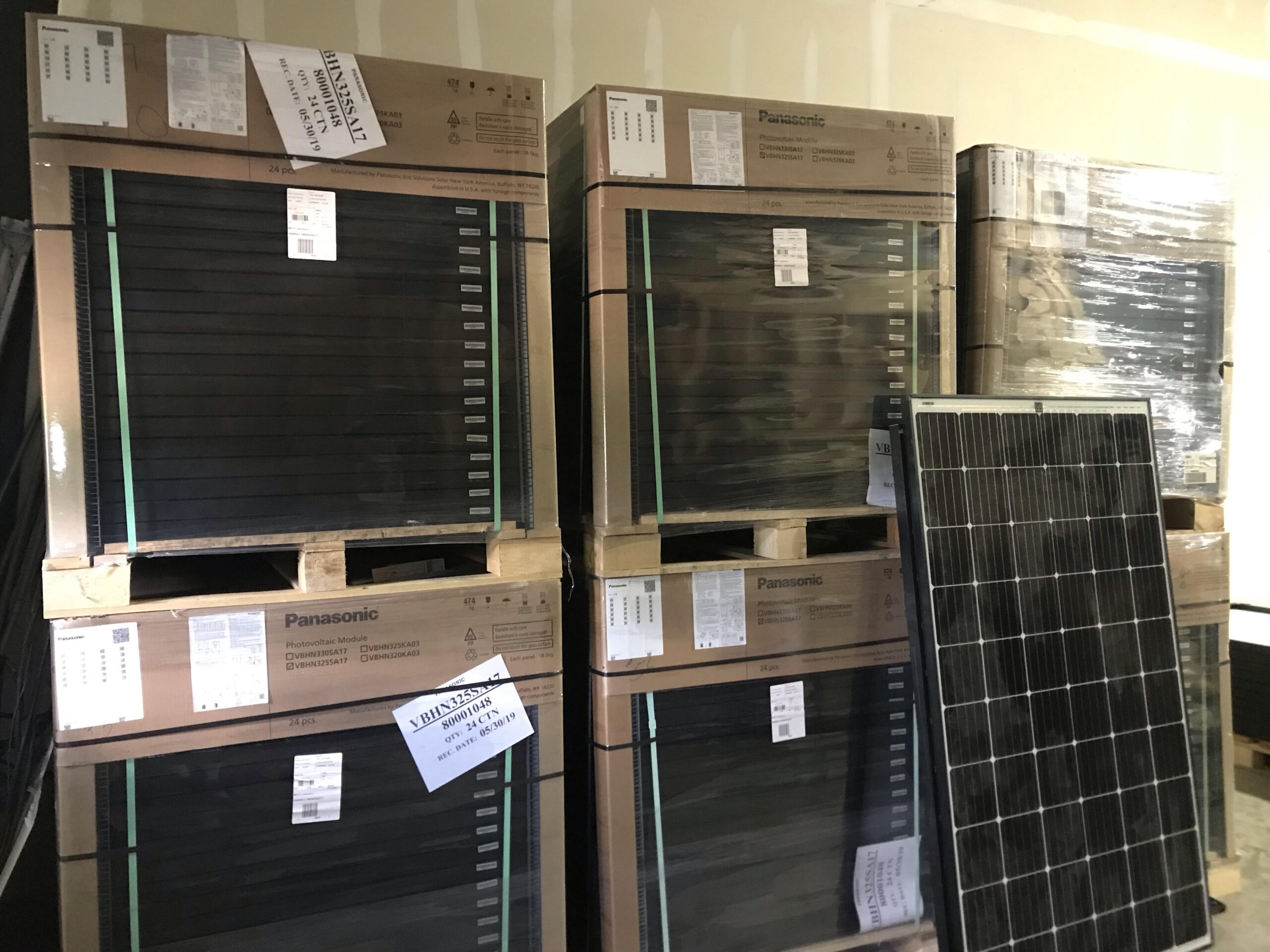
The ethics of service are strikingly similar from country to country. Working with Central American employees and serving people in developing countries is almost the exact same. In the last week of my internship, CoCoDA sent me to Bloomington, Indiana to shadow the founder and president of Whole Sun Designs, a solar panel installation company. I participated in 8 site visits between the president and clients that were pre-installation and close-out meetings. The men I worked with were intentional and visionary about the details of installing the next few projects, planning projects four weeks in advance, and directing the company in the direction they want it to go. The president had high, though reasonable expectations for everyone. I knew CoCoDA functioned like this as a non-profit serving under-resourced people in Central America. I watched Whole Sun Designs do this as a for-profit, and it changed how I thought a business could operate and still reap amazing results. Successful businesses do not have to choose which clients to hold in contempt or treat employees with partiality.
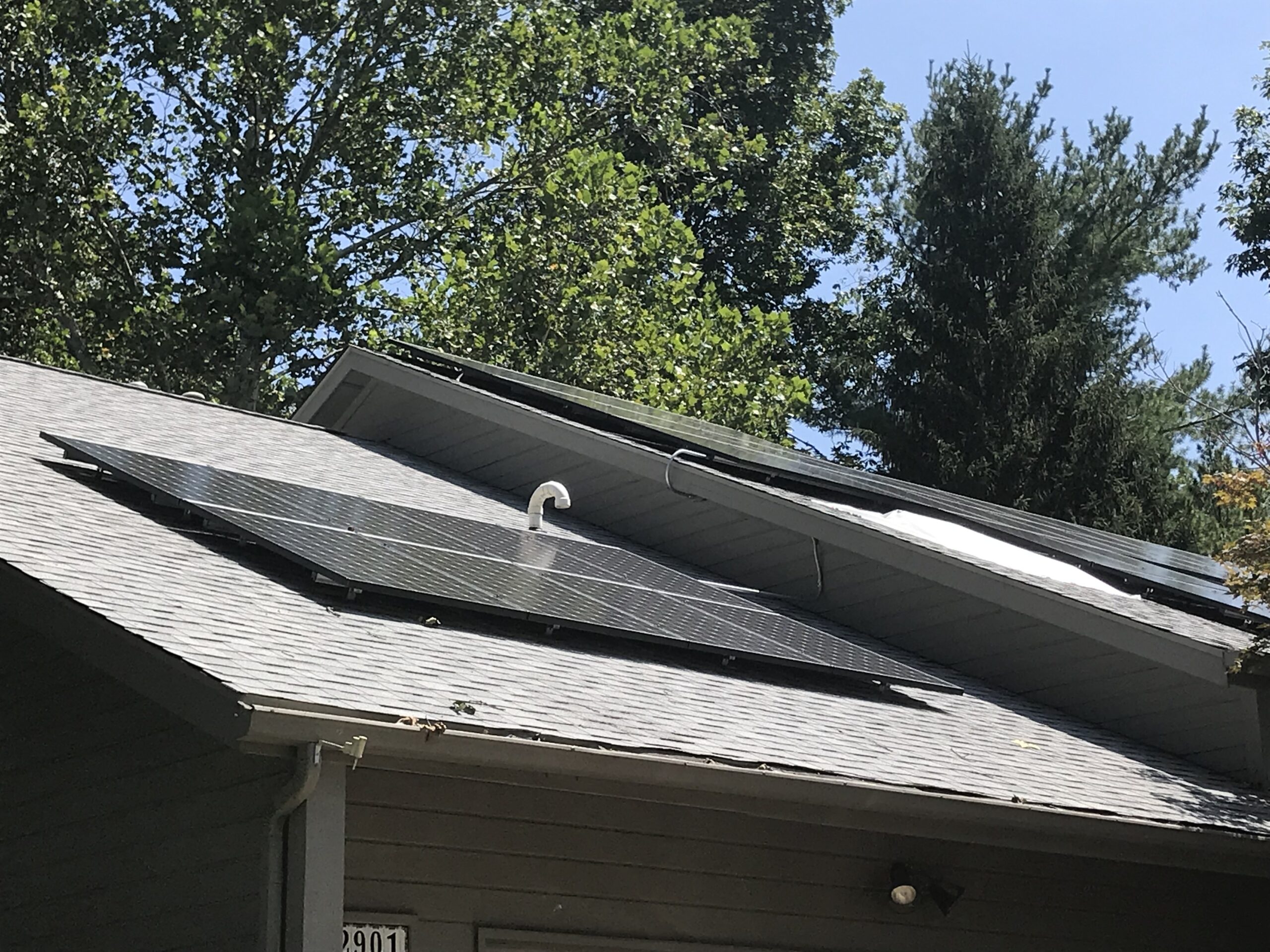
I was surprised at how the president and employees wove integrity and fairness to each other and their customers as integral to the company’s operation. Our conversations in the site visits, which were usually at people’s houses, reminded me of when I evaluated solar panel systems in El Cacao, Nicaragua. We were just as respectful to their homes and ensured we understood how they wanted to use their system. For example, the president could recommend taking a tree down to maximize sunlight on one part of the roof. He would not follow through with it if the client did not want it. People also showed us awesome parts of their property that they had developed. They were proud of it just like homeowners in Central America were proud of their home development. The only difference between serving clients of Whole Sun Designs and CoCoDA is who could afford the system and who could not. That single difference introduces a running lists of nuances that lead can lead to poor service in developing countries for those who do not continuously collaborate with their clients.
Indiana itself has flooded me with varying levels of emotions that are common nuances in life in life in this country. I know how Indiana has treated black people in the past, so I had to be mindful of that everywhere I went. The threat was not as serious in Indianapolis or Bloomington, but I could not get it out of my mind. I stayed at the house of the president of Whole Sun Designs for two nights. I could not believe that we drove for 20 minutes through forest to get to his house. I am from Chicago. I have buildings and streetlights, not open land and trees. The hills reminded me of Nicaragua’s landscape more than anything else! The president’s roommates were very welcoming people; so was everyone else I met. I have been to many cities in the U.S., yet cultural humility seems more complicated to exercise here than abroad. That is probably because I live here and encounter different cultures on a regular basis rather than touring other countries for a week at a time.
I have not yet gotten into the nitty-gritty of commitment to community development, or business development. I am thankful for this summer internship because I have been exposed to methods of doing both ethically. I will not have to shift into my career thinking there are only avenues to success that are cut-throat. Pragmatism, realism, and respect will be enough.
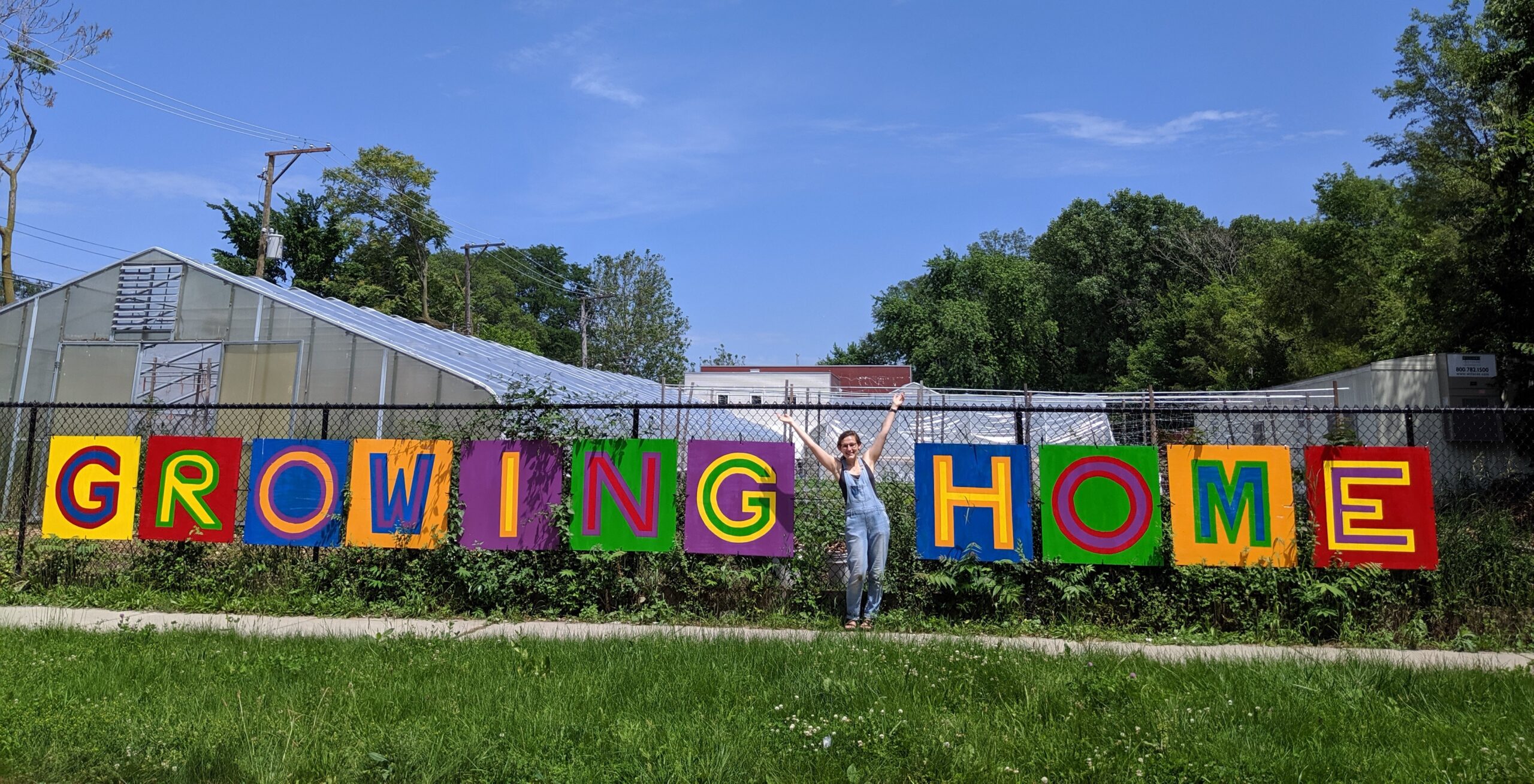
During my most recent reflect-in with CAPS, Katie asked us what we have grown into this summer. It took me a while to think of an answer. There are many ways in which I have grown this summer, but thinking of something about myself or capabilities that I have grown into proved more difficult. However, after reflecting about my past internships and how they have ultimately led me to Growing Home, I realized my answer. In these past several years, and especially this summer, I have increased my knowledge, passion, and skills for working in food access and community engagement. I still have plenty to learn, but I have grown into my confidence that I am capable of doing this work and doing it well. As I look forward to my future – I have graduated and will be starting a new chapter of my life soon – this realization is incredibly important for me.
As I continued to reflect, I realized that I could not have grown into this confidence without one very important, consistent aspect. Whether it be on a small farm in Northwest Indiana, a backyard farm in Wilmington, North Carolina, or on an urban farm in Chicago, strong women farmers have been present. Agriculture is historically, and presently, a male dominated profession. It is incredibly labor intensive, requires a lot of endurance, you get really dirty, and you see lots of bugs. For these reasons, and several more, women are not typically seen as capable of farming. Yay gender stereotypes and prejudices!…NOT. With that said, having met and worked alongside incredible women farmers has been such an empowering experience for me. I often feel incapable, downtrodden, and in over my head when I think about working in this industry, but having the influence of these women in my life gives me the strength that I need to push forward and pursue my passions. Then maybe someday, I will be for another young woman what these women have been for me.
As I do move forward, past my life in college, I plan to keep these realizations close to my heart. As I search for a job, I need to be confident in my abilities and in the fact that my gender does not diminish my qualifications for the industry I want to work in. If I do start to get those doubtful voices in my head, I will remind myself of the wonderful community of agricultural and food access workers that I have become a part of. Knowing that I have this source of support and knowledge will, hopefully, renew my confidence so I can continue working alongside others toward the goal of access to affordable and healthy food for all.
As my fellowship officially comes to a close, the two most important things that I have learned are that I am capable and I am stronger with a community. I think those are pretty great lessons to take away from a summer internship.
I first heard this phrase when I was fifteen and participating in the Ulster Project, a cross-cultural program designed to build relationships between protestants and Catholics in Northern Ireland. The project was created in response to historical conflict between these two groups and the goal was to bridge the divide between these two groups by building relationships and inviting dialogue about differences. Throughout my placement, this phrase has repeatedly entered my thoughts. While at Valpo, life is encapsulated into a bubble, one which I love, but also one that is comprised of people who come from similar backgrounds, speak the same language, and think in similar ways. I have likely never been amidst the level of diversity that I have experienced this summer which is one of the things I have appreciated most about my placement. During my week I am surrounded by people of different religions, nationalities, ethnicities, and languages. Old people, children, Hispanic people, Islamic people, African people, the list goes on. Part of what I like about my placement is the welcoming of this diversity on the path to creating unity. I am working with ICDI, the Interfaith Community for Detained Immigrants. Diversity was important enough to my organization that they included “interfaith” in their title. Diversity is obviously important when working with immigrants as they are people that come from all over the world. The people I interact with were raised with different values, customs, and traditions and the differences are certainly evident but there is something so meaningful about people coming together and having dialogue and working together across those difference to grow to appreciate them. The people who I work alongside, as well as those we are working to help are coming from different backgrounds but we all come together under a unified goal: to remedy a humanitarian crisis and to provide dignity and basic needs to immigrants and refugees in Chicago. This is why the phrase, “creating unity, amidst diversity” has been cropping up in my thoughts all summer and this is one of the things I have found most valuable about working with ICDI.
I love knick-knacks. Probably more than it is healthy — a part of me is so excited to be an old lady just because that’s when it becomes socially acceptable to buy multiple glass cases and showcase your dollar-bin souvenirs like treasures.
With my time in the CAPS program coming to an end, I’ve been in the process of packing up my things and, after going through all my things, I realized how much more stuff I’ve obtained during my time in Chicago.
These items document my summer almost as well as I could have if I wrote it all out. Some of the items include: A postcard from the Art Institute with Nighthawks by Edward Hopper printed on it. A small yellow waving cat I got from Chinatown. A box of chopsticks I also got from Chinatown, albeit on a different visit. A map for the Adler Planetarium. The poetry book Pole Dancing to Gospel Hymns by Andrea Gibson I got from a secondhand bookstore. A photostrip my friend and I got at a music festival in June. A skincare free sample from a booth at the farmers market. A pink sheer scarf and moonstone ring shaped like a heart, both of which my roommate promised were “my aesthetic.” A playbill for Come From Away. A food ticket from Taste of Chicago. Postcards my mom sent this summer. A journal and tin of tea I received as a going away present from my coworkers.
But, after looking through all these odds and ends, I realized there were so many more things I’ve gained this summer that I can’t stuff in a suitcase for move-out. These nonphysical things include: a steadier confidence, as well as a healthy amount of independence. Work experience by the loads. Connections with a career path I’m interested in. Insight into the nonprofit world, and what goes behind a successful organization (hint: it’s very passionate people). And while these things aren’t physical, they just as if not more valuable than the rest of the belongings I’m lugging back to Northwest Indiana.
Today is my last day of work and my last night in the city. This past week I’ve been allowing myself to splurge on my favorite city foods and drinks, as it’ll probably be the last time for a while I’ll have such easy access to it all. But even though I’ll be missing a lot about Chicago and my apartment/internship here, I’m so excited for my last year at Valpo. It’s gonna be a great year, and I’m sure I’m going to pack-rat even more knick-knacks and experiences.
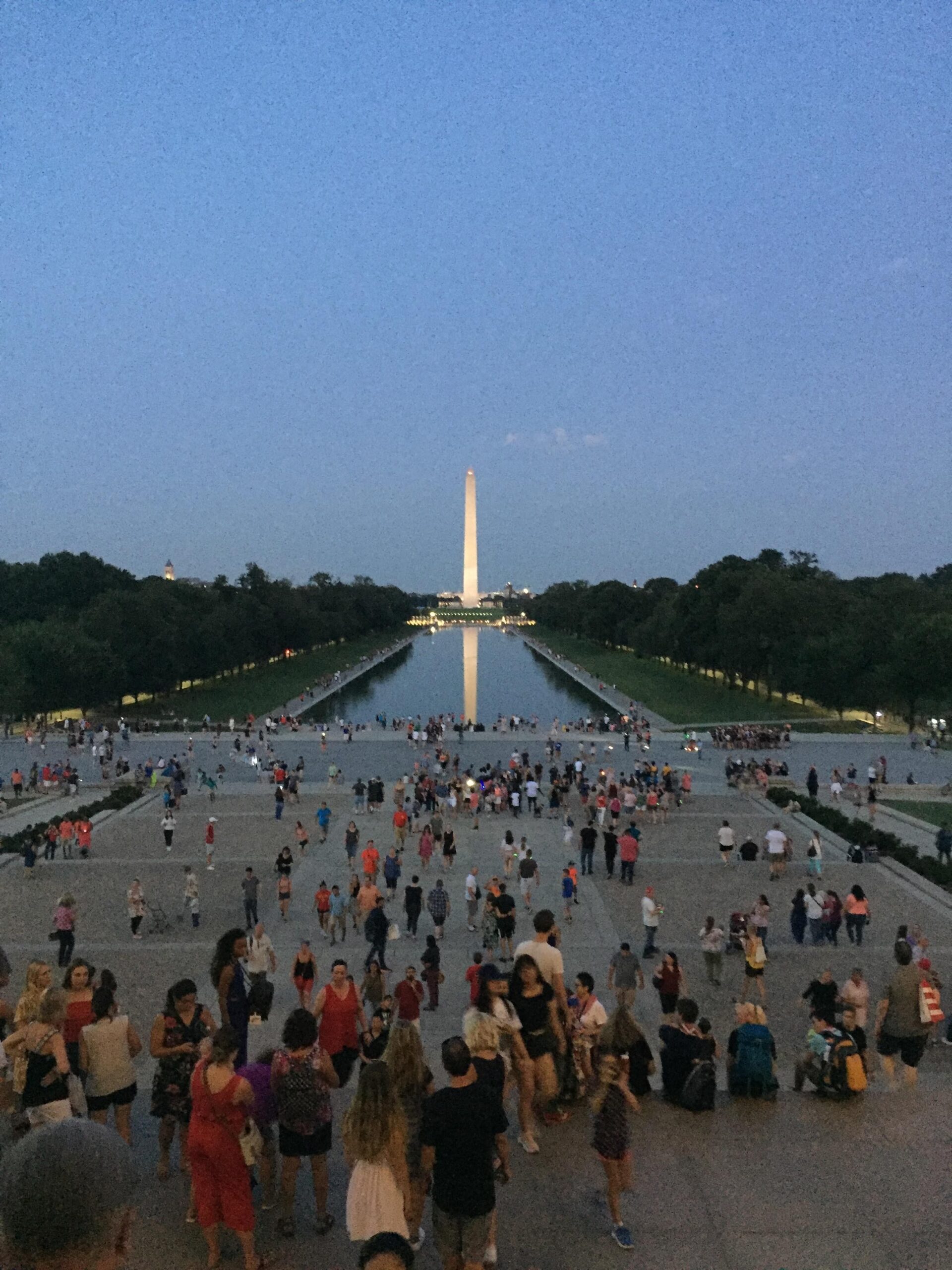
Trying to summarize my experiences in Washington, DC, so far this summer, despite the short time that I have been here, is a somewhat challenging task. I have learned a great deal of new information, whether it be at work or while experiencing the city. Much of this information I have taken at face value, trusting in the knowledge of those more experienced with DC than myself. But as I have begun to acclimate to DC life and met more and more people, I am beginning to process my early experiences and make my own connections. And in some cases, I am starting to challenge some of my initial assumptions and things I have been told.
My first few weeks at Internews were fairly quiet. I met with Jon, my supervisor, was given a desk space and laptop, was introduced to my coworkers who were in the office that day, and reviewed and started working on some of the projects that had been planned for me. But the rest of the office was preparing for RightsCon. All the members of the Global Technology Team, my team, were attending the annual conference that was being held in Tunisia the following week. The conference focuses on the intersection of human rights and technology with an international scope, and is attended well by representatives from Internews and other organizations like it.
To illuminate, Internews is an international independent media development nonprofit organization. Internews works with journalists, activists, and other organizations around the world. In many of these countries, the government, other actors, or external factors may exert control on what appears in the news or how accessible this information is to the public. Much of Internews is divided into regional teams, serving Latin America and the Caribbean, Eastern Europe and Eurasia, the Middle East and North Africa, and so on. My team, the Global Tech Team, works outside these traditional regional teams to provide more specialized services. We plan and implement projects that provide technical support to organizations in the countries we serve. This is critical because these citizens in these countries are more and more reliant on technology as it becomes more widely accessible.
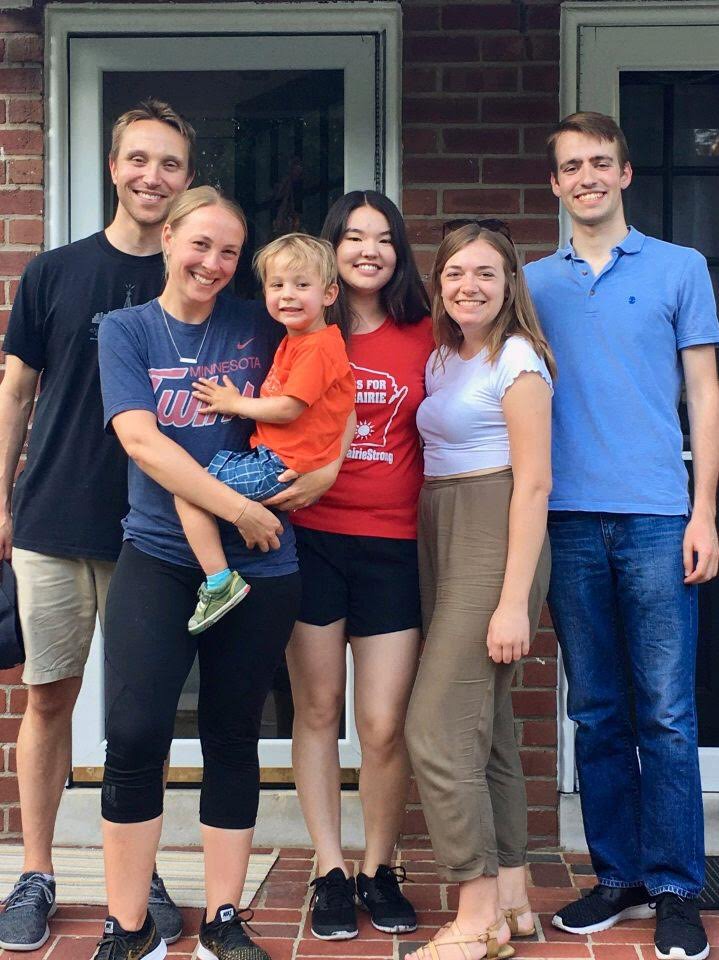
So, as my Team prepared for their conference, work started a little slow. But, after they returned, we dove right in to work. I have weekly meetings with specific teams, check-ins with my supervisor, and optional meetings with other project groups with my own team or other teams. In the meantime, I work on programming solutions to the projects I have been given, to support finished, ongoing, and potential future projects.
More specifically, I am working to revise and restructure their SAFETAG program documentation, a program that provides resources to perform digital safety audits for media organizations. (These audits include asking questions like: how are we storing our interview notes, collected data, etc? Is it encrypted for our journalists’ safety? Is our website or application vulnerable to attack from bad actors (groups that we report on ranging from criminal organizations to our own government)? In addition to this, I have been working on analyzing internet usage metrics to determine when governments are shutting down, throttling, or censoring the internet in their country. And I have a few more projects I might work on depending on how far along we get during the summer.
But just in working on these projects, I have learned a lot. I have learned how many communities around the world struggle with internet shutdowns or censorship. I have learned that even in developing countries, more and more business is conducted relying on internet connection or smartphone usage. And I have learned that countries that shutdown internet do so knowing it will cost their economy millions of dollars, directly affecting the livelihood of most of their citizens. And yet they continue to do so, to silence activists, to attempt to curb protests or demonstrations, or to keep the rest of the world in the dark about a coup d’état or human rights violations carried out by the government or military.
I have learned that although we all want to help these countries with their difficulties, getting funding for projects is competitive. I have learned that international development can be messy, and that organizations like Internews have to be careful to think about consequences of running programs so that they do not escalate or make situations in certain countries worse.
I would say the most challenging and frustrating aspect of my work is that our organization addresses problems I have never had to deal with, in communities that I have never interacted with. And yet, I find myself spurred on because I am constantly reminded of the freedoms that I enjoy. The promise of the internet, of integration into an ever more connected world, has often been heralded as the Great Equalizer. But still there are obstacles to communication and access to information, and often to those in most need. And I am glad that I get to play a small part in trying to make it more equitable.
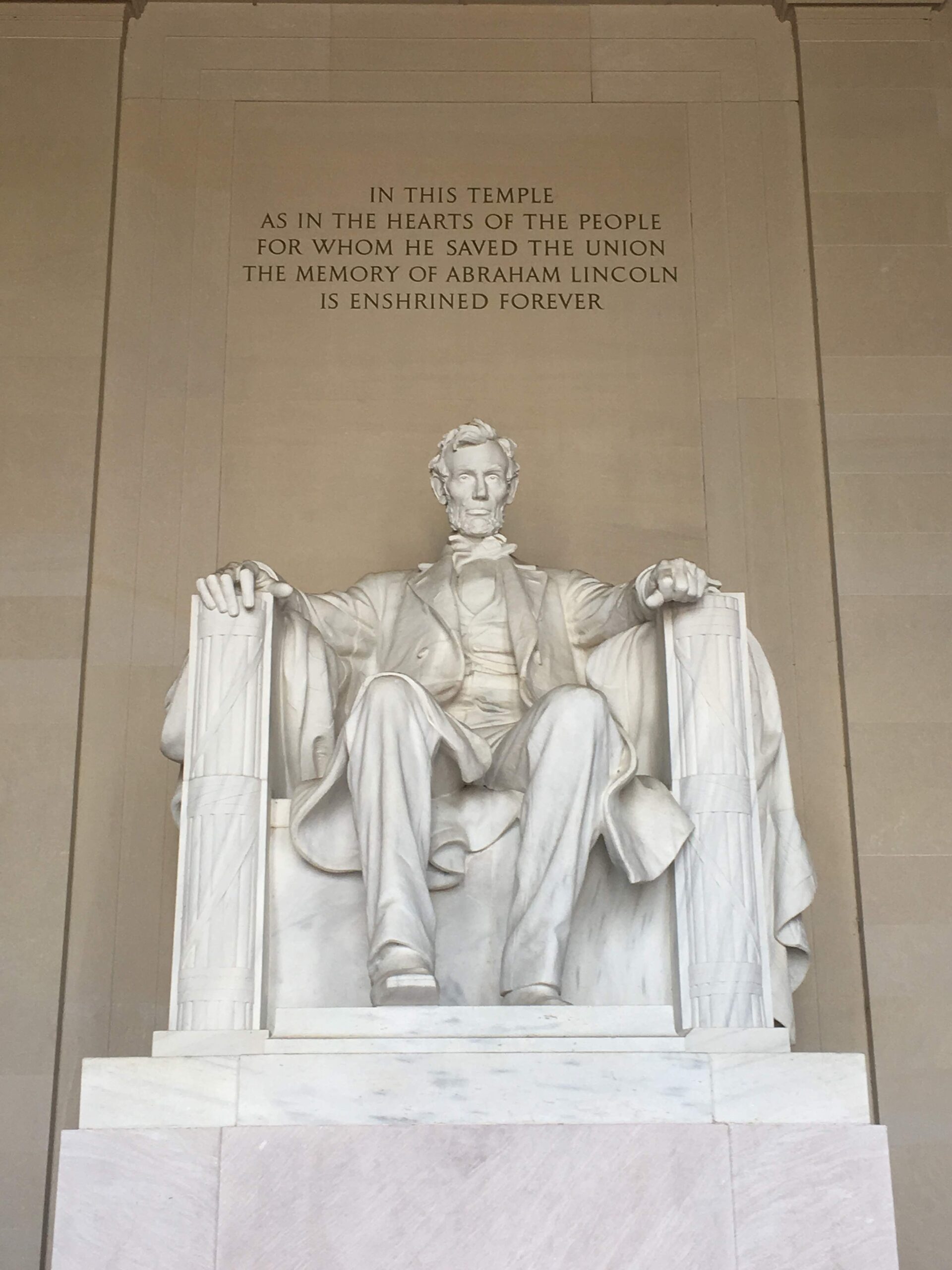
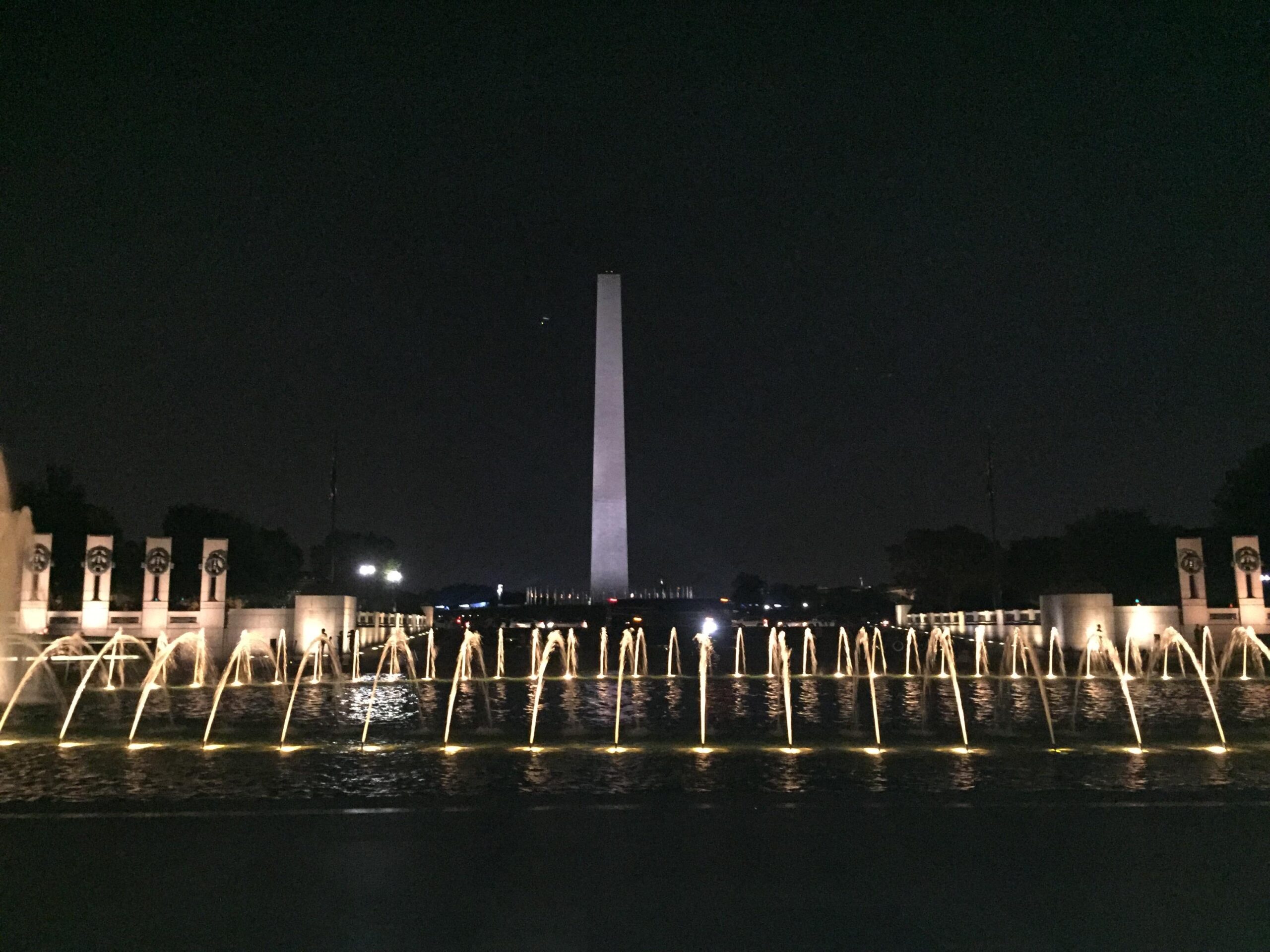
Beyond that, I have done the typical DC things. I visited the monuments, some the of the museums, walked past the White House. I have tried new restaurants and new kinds of food, gone to public events like Jazz in the Park and Jazzfest on the wharf, and visited Arlington National Cemetery. I am hoping to catch a few games of professional tennis at the Citi Open this coming weekend, if I can get tickets. One of the most interesting things I learned about DC, and on of the things I like the most, is that there is a great deal of work that is done here that is not done anywhere else. That includes the obvious ones like federal government and related fields like public policy, lobbying, government contract work, and international development, like Internews.
There are some drawbacks to having unique and interesting work, though. It gives one a whole lot to think about when they are trying to decide whether they want to stay in DC after their summer fellowship ends…
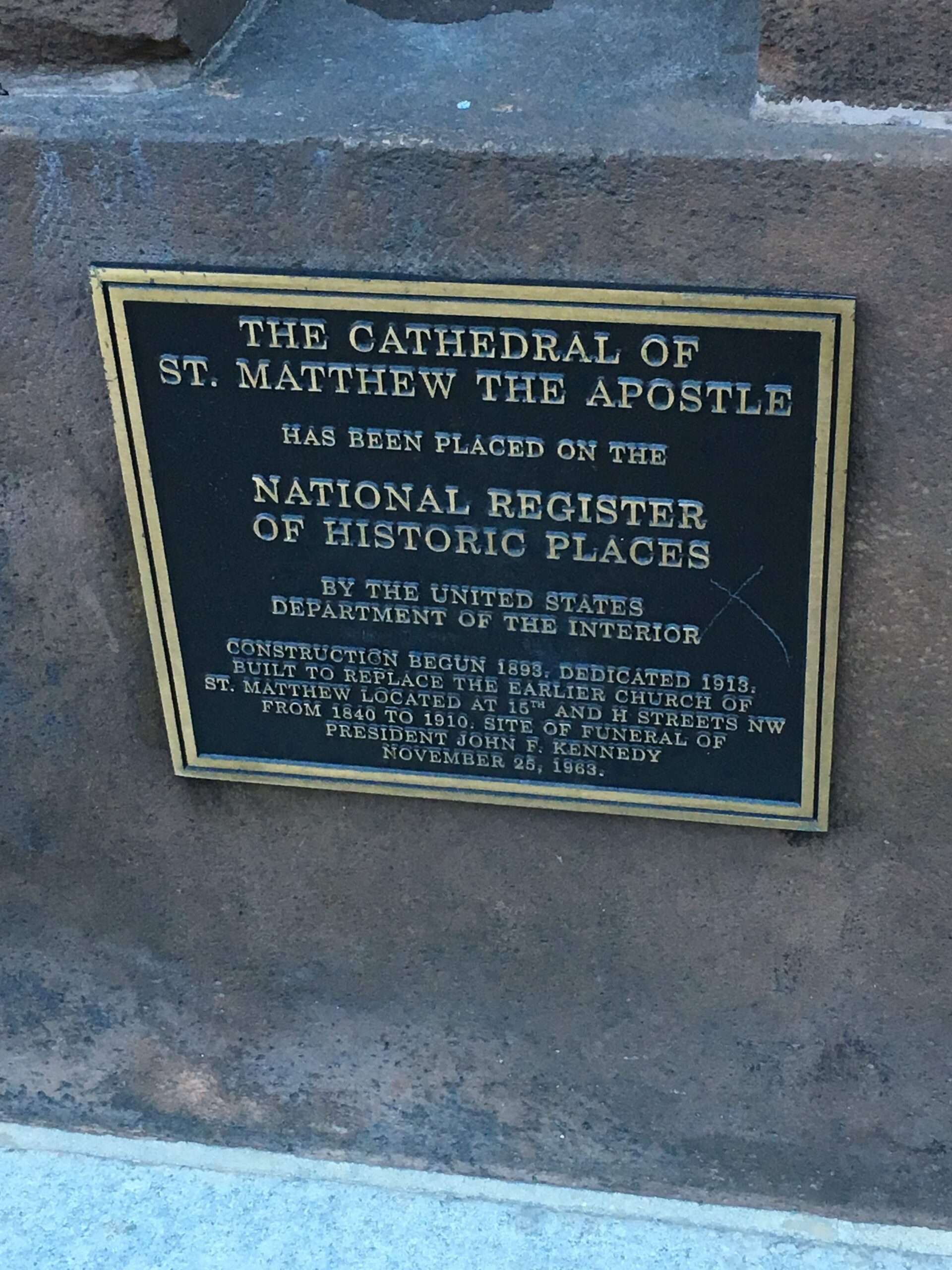
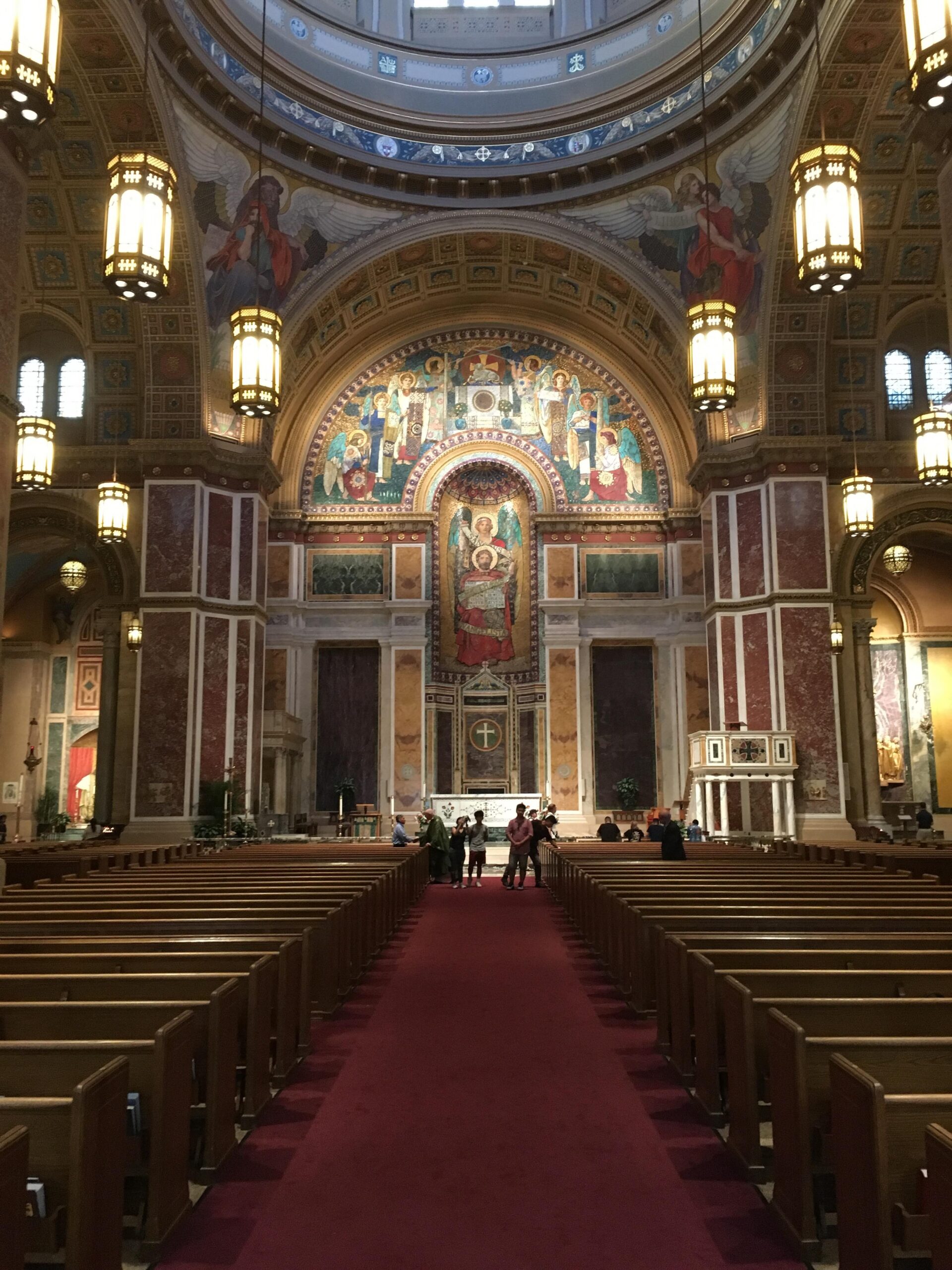
“CoCoDA is a lifestyle,” said one of the Latin American employees in the annual organization board meeting, while I was in El Salvador. Later in the meeting, he said, “CoCoDA is a tool,” for the communities we work with. Those statements essentially wrap up how immersive, transformative, and intentional community development in Central America is for the people who devote their careers to the mission of this organization.
As a person who spends much of the day theorizing how to fight for equality, the CoCoDA Board meeting was an oddly unfamiliar environment. Before traveling to Central American communities, I watched the Board of CoCoDA evaluate its position and discuss next steps in lieu of its past. This resonated with me because I was watching a large team of people brainstorm ideas to actually help real people. Part of CoCoDA’s model is to partner with NGO’s in the countries they work with. Even more impactful than seeing CoCoDA work was seeing an NGO in El Salvador operate. I saw innovative composting bins, iguanas that were being raised to supply supplemental protein, a greenhouse to grow vegetables and fruit, and a private news radio station on the same day that I saw the same organization hosting an event where hundreds of men who fought in the Civil War almost 30 years ago would tell their stories. I thought working on the team that is in the U.S. and has the most power made me the biggest helper. This experience complicated that conception because I realized crafting a direct connection with target communities is not only a suggested and time-consuming activity, but it is imperative to help the communities fulfill their dreams and seriously engage in the continual struggle of community development.
I also consider myself deeply involved in my faith and capable of identifying malice in my own intentions. My experiences in Central America have shown me that I am a privileged fellow who has profited from injustice. The United States funded wars and still funds government corruption. This is no secret in El Salvador and Nicaragua. In the U.S., however, our understanding is that Central America is having trouble ousting its systemic corruption. I heard story after story and fact after fact that undermined this fallacy. These truths undermined my foundation of religious understanding and premise for justice. How could I as a person from the U.S. who puts my faith into action excuse myself as someone less than a bystander to these continuing histories and issues?
These experiences move me to feel guilt and pity. Upon reflection, I realize those feelings are meaningless. They turn into a drive to fight for justice. But it’s not just a drive. It’s a commitment. Obstacles surely come. This organization has grinded through the worst of them and expects more in the future. Meanwhile, they also expect to continue working with Central American communities, if CoCoDA is still wanted. If this is the case, the communities decide not only what schools they want to build, water projects they want installed, or how many people they can send to college but also how they want CoCoDA to help. All of this seemed glamorous until I realized successfully completing one project inevitably leads to other problems. For example, building a school does not guarantee having teachers or all the proper materials to teach. Seeing fruit of this organization labor with Central American communities as they develop themselves is a demonstration of struggle and companionship that each experience differently.
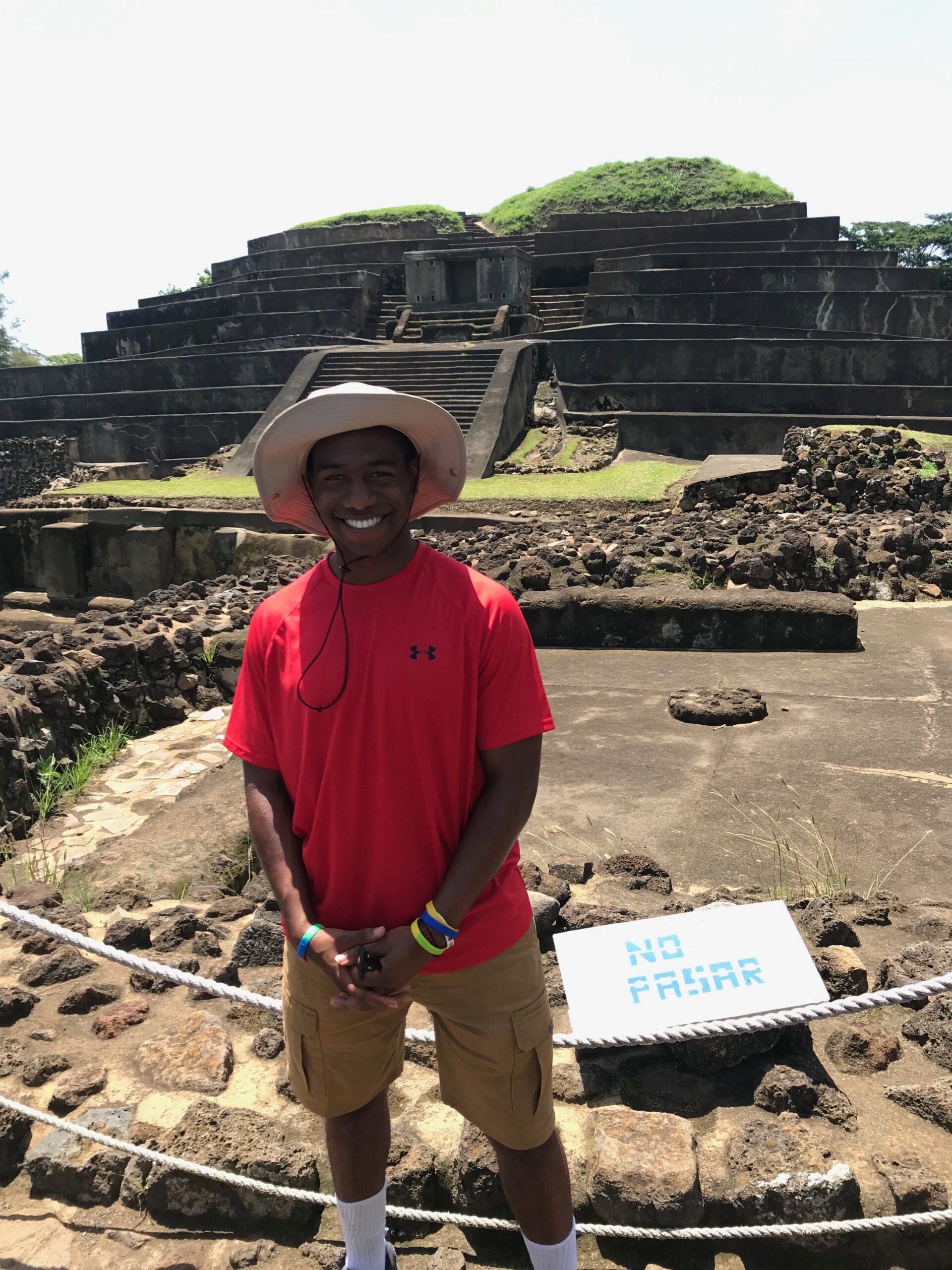
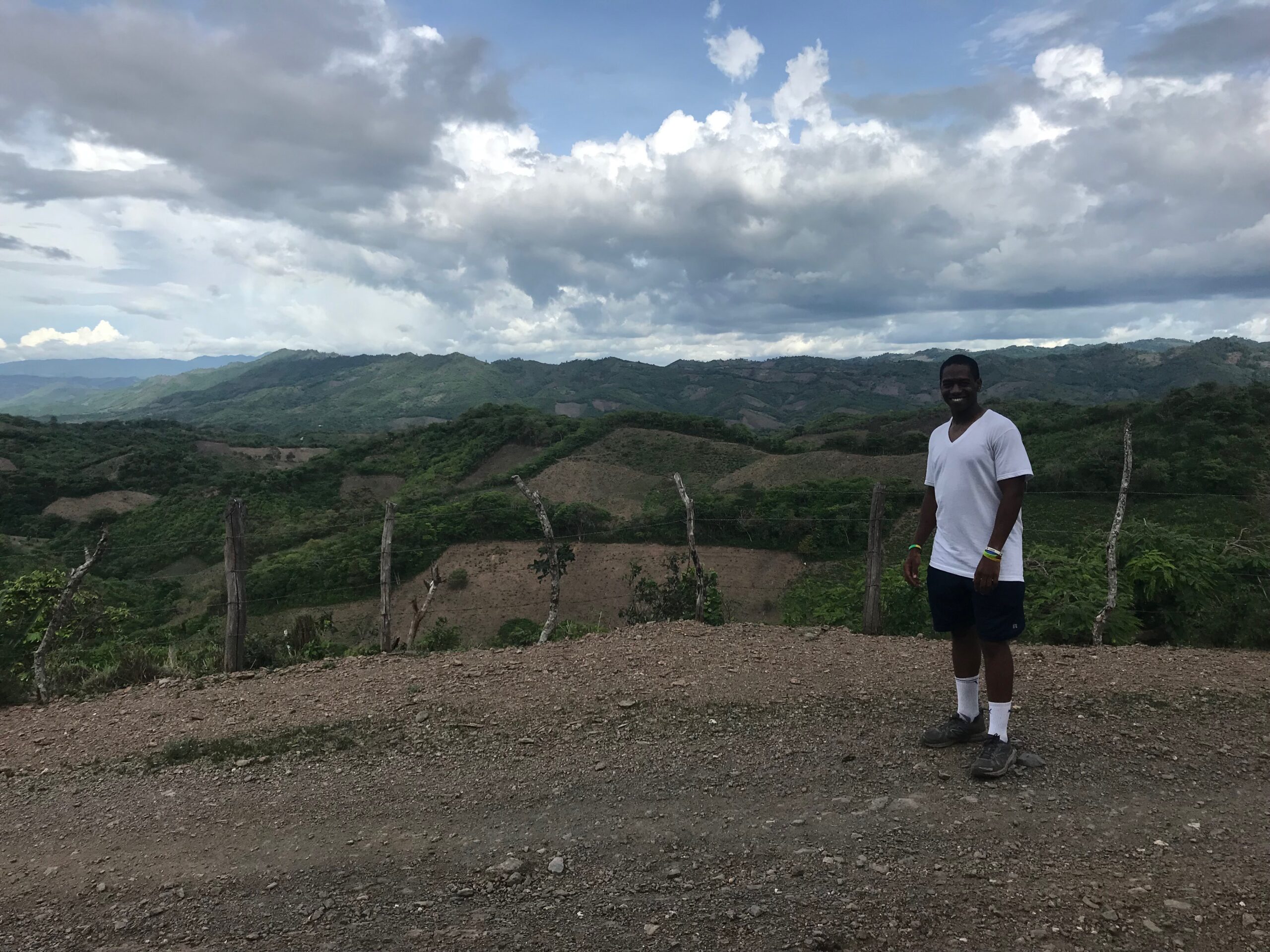
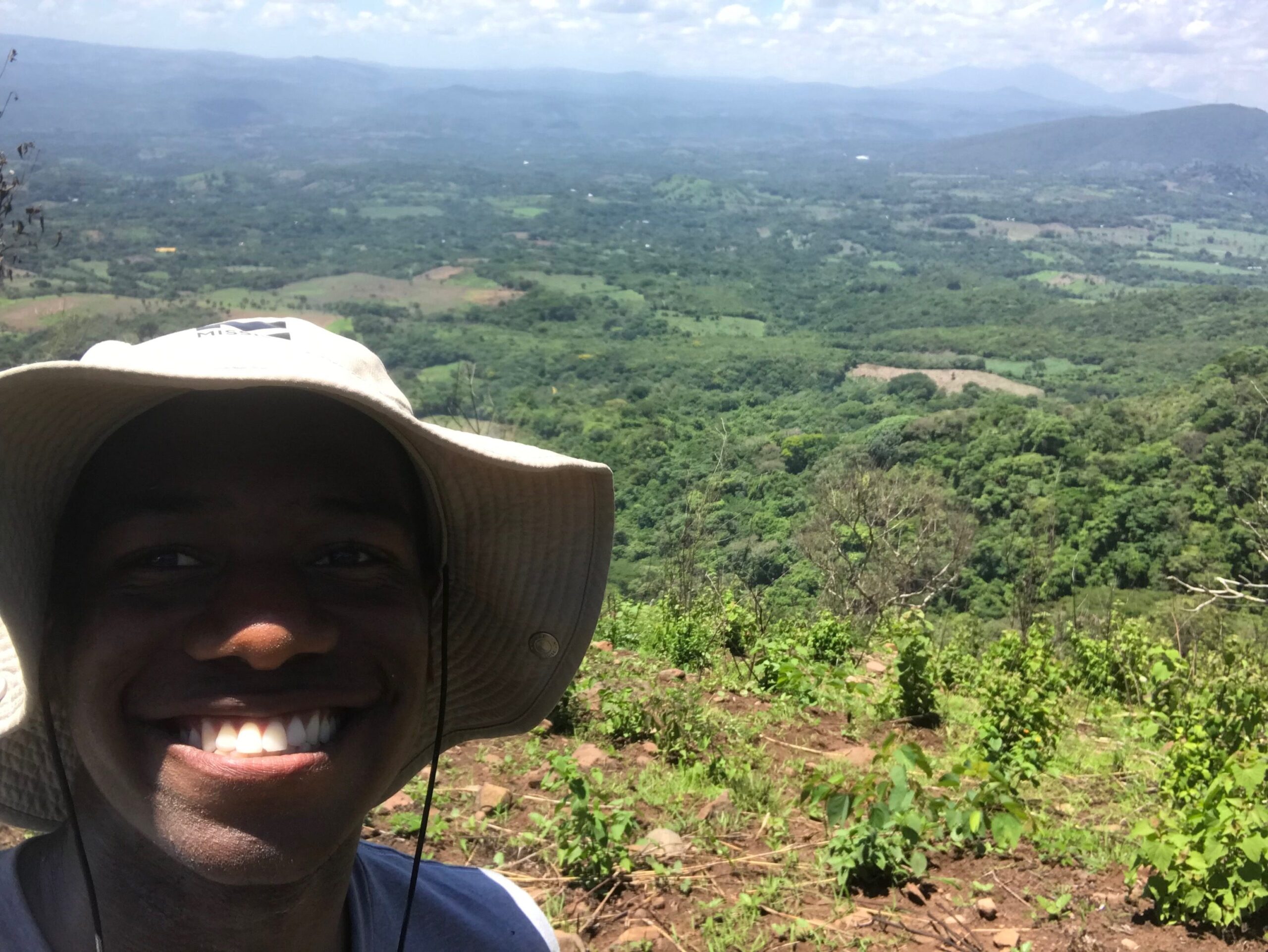
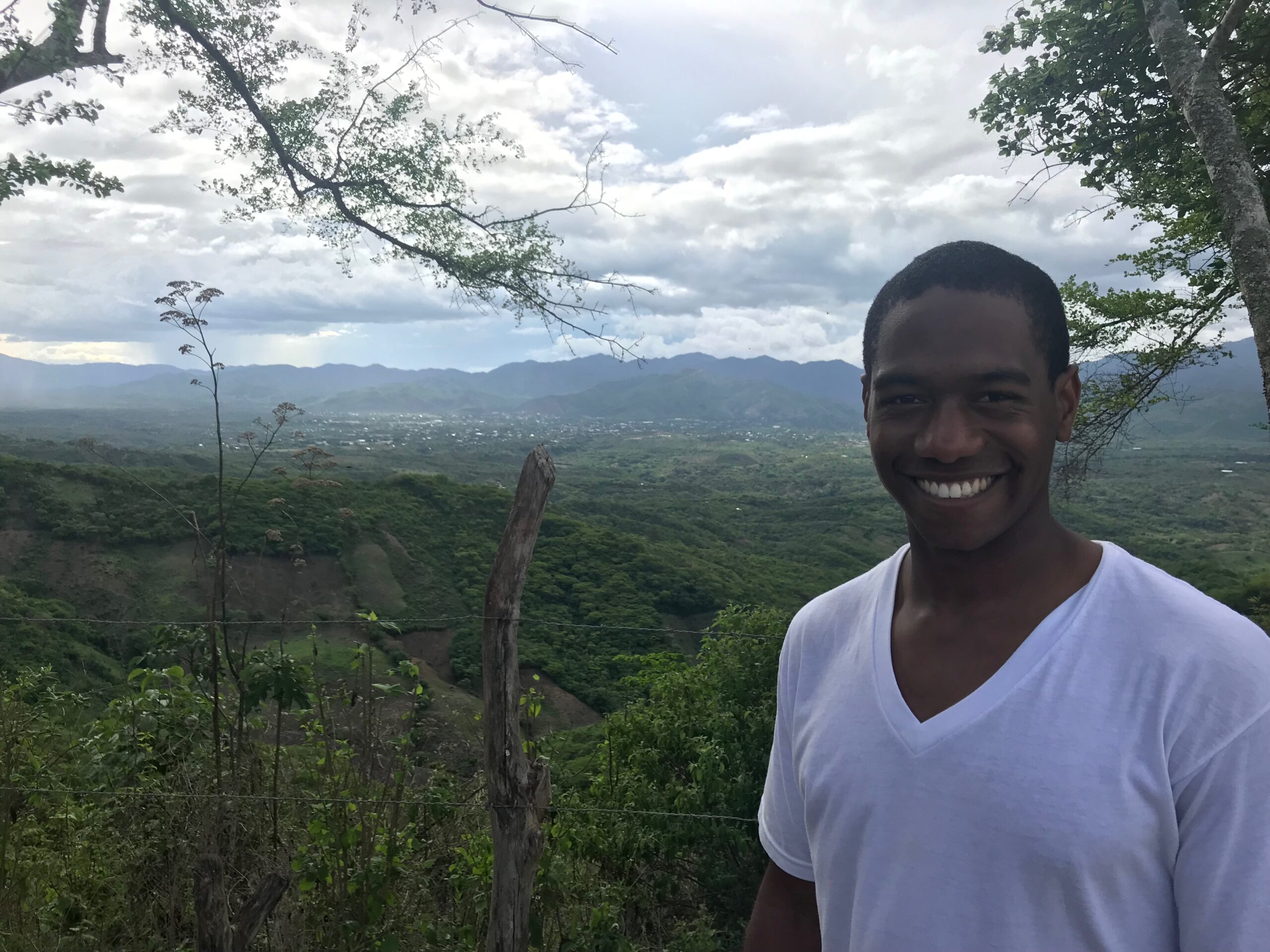
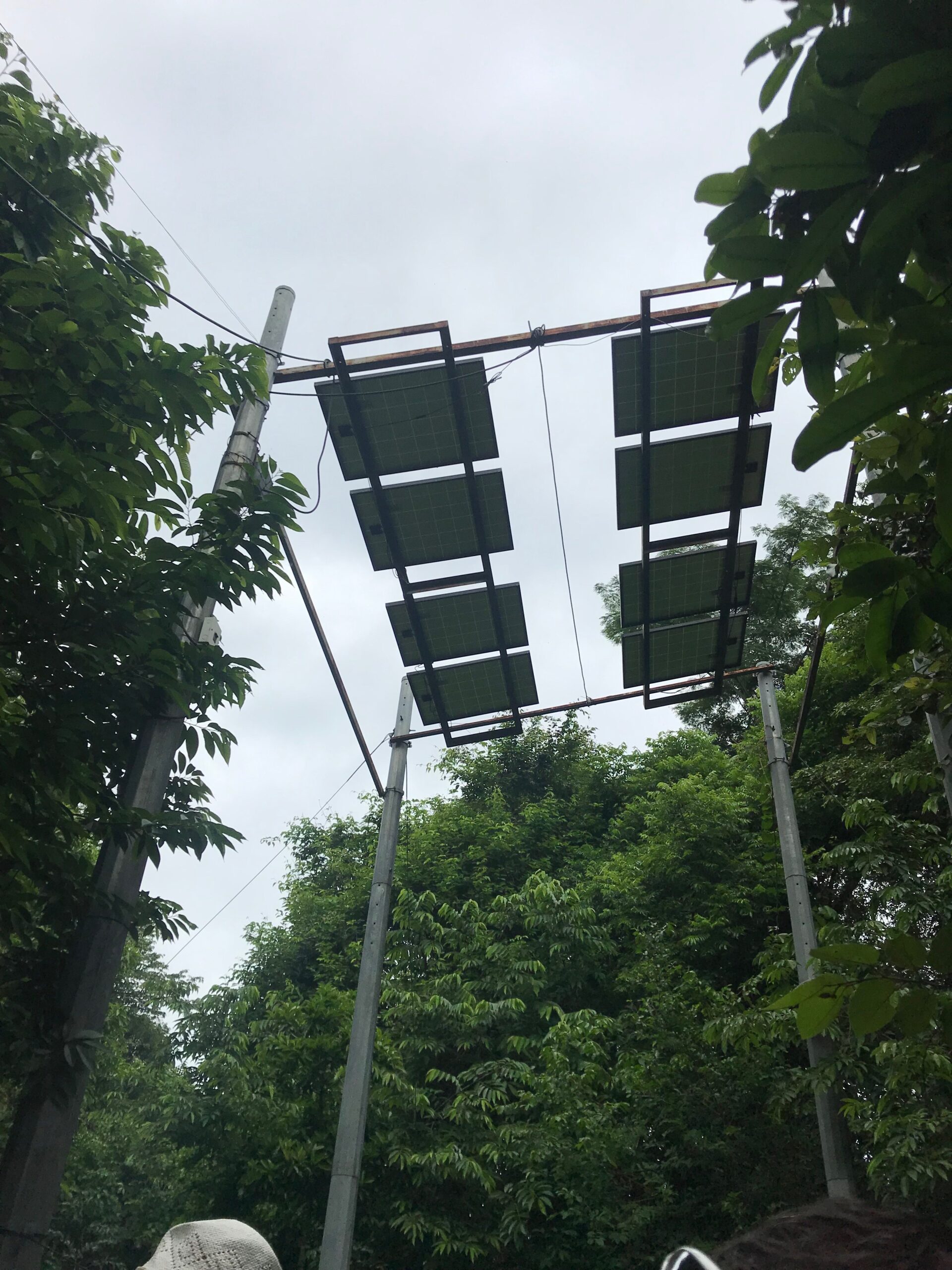
The purpose of my internship was to evaluate dysfunctional residential solar panel systems (that a domestic company installed about 10 years ago) in a rural, indigenous community in El Cacao, Nicaragua. When I returned to the U.S. after 16 days in Central America (and 3 days of working with solar panel systems), I researched how components of solar systems work and what causes their failures. I wrote a report and prepared a presentation that CoCoDA will use to explain why their systems are failing and options they can pick from to install a more sustainable plan for their solar systems. This was the easy part because limited human interaction in community development is always the quickest way to complete projects. Thankfully, CoCoDA has spent more than a year collaborating with the community of El Cacao and its elected board to ensure they wanted an intern to evaluate their systems; this is the second project in five years with this community. Therefore, I consider my short-term incomplete service of a couple months complete because it is only one small part in a long-term effort that extends far beyond this one project.
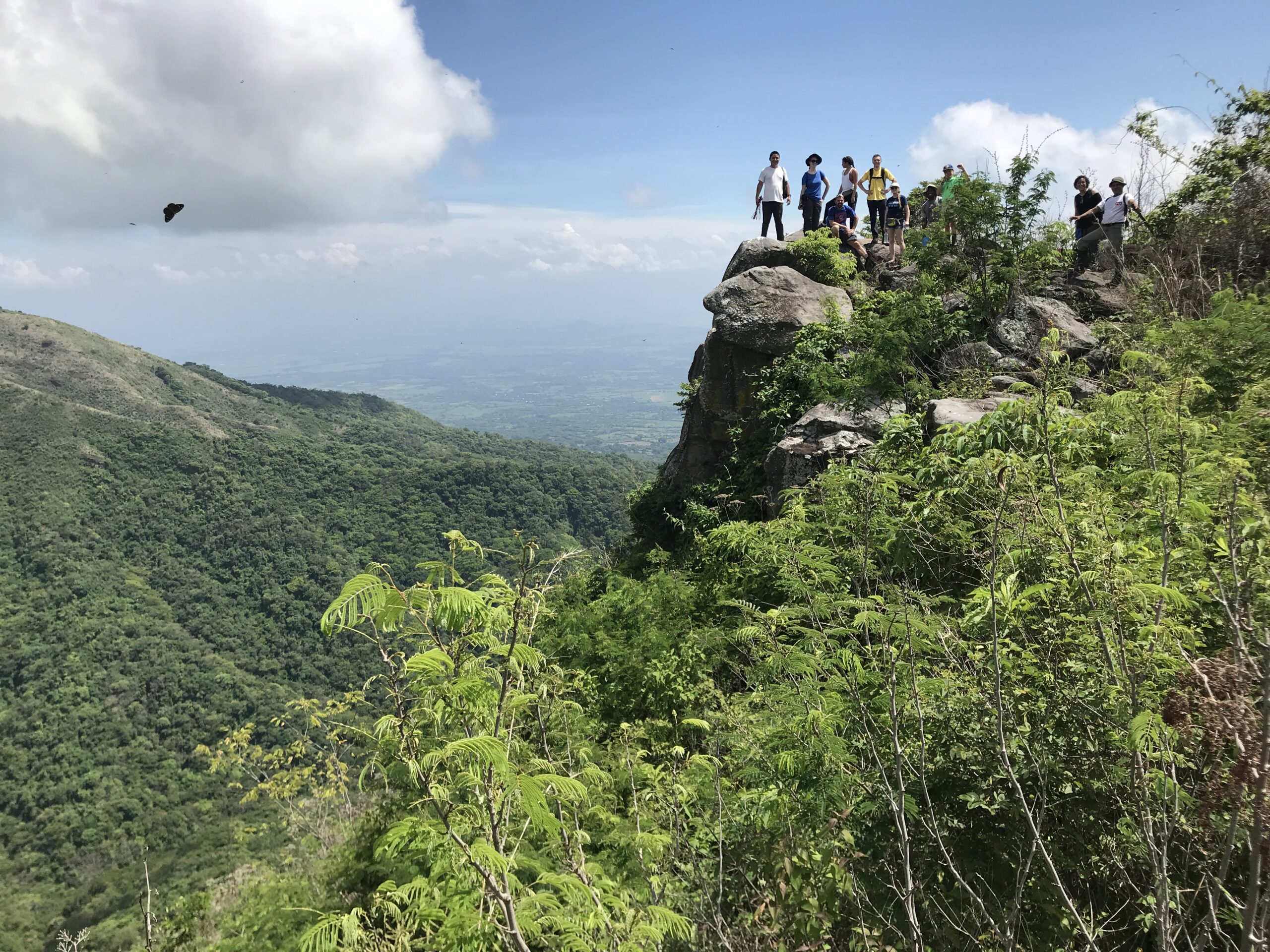
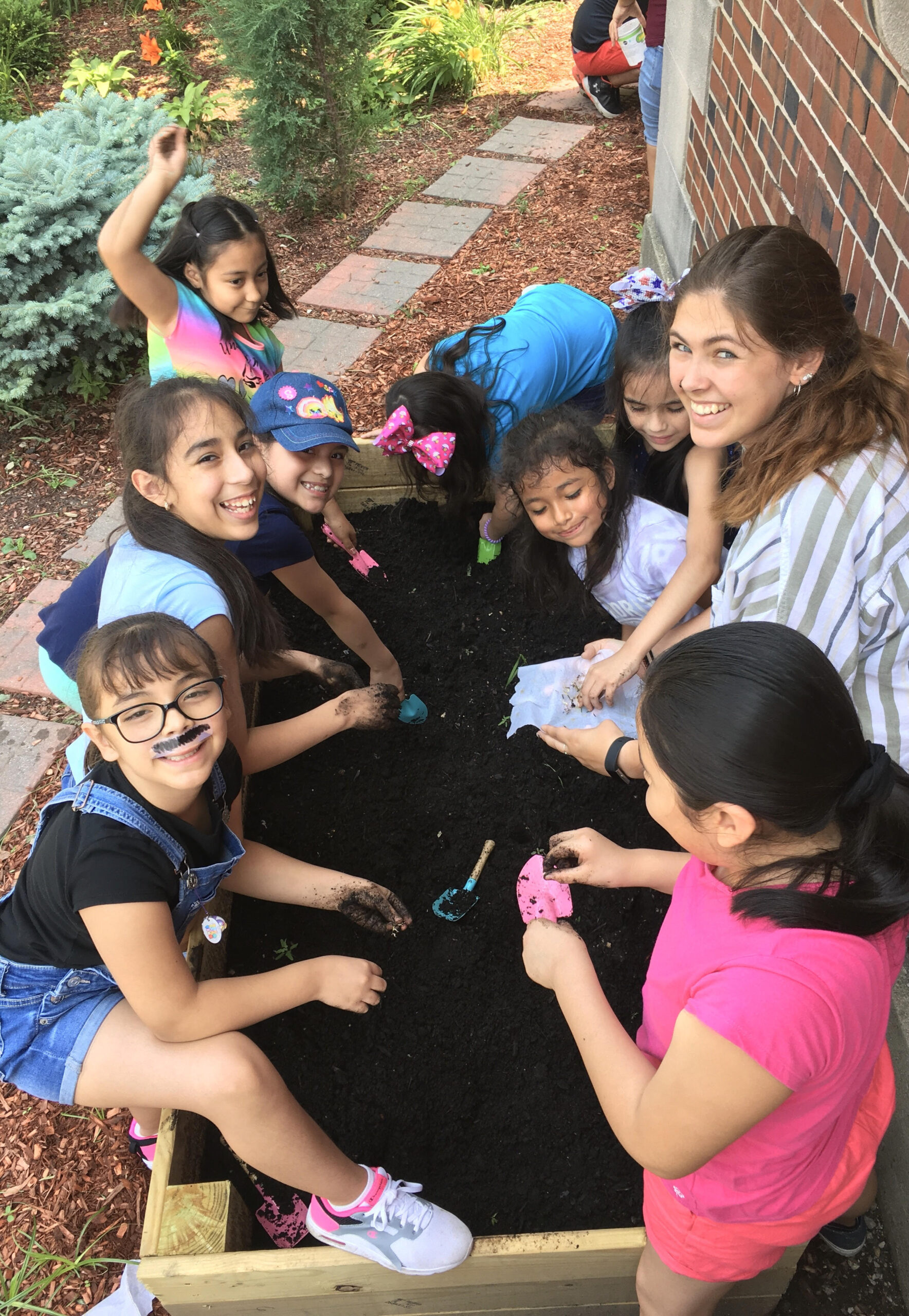
One of the fundamental lessons I have learned from working with kids is that you never know what to expect from them. Every day comes with another creative art project, an imaginative story, or crazy new game. So many ideas race through their minds and the world seems to be filled with wonder and excitement. The smallest object can be the source of immense joy. I have never seen a person be so consumed with a dead leaf as I have this past week. It never ceases to amaze me how children can see a generic object and transform it into something radically different.
Working with kids is one of the most tiring jobs I have experienced, it has also been the most inspiring. Watching them learn and grow into better readers, skilled drawers, or professional lego architects makes everyday worth it. They find joy in everything and get along with everyone (most of the time). Even though they can’t always run fast or open their ranch packets at lunch, sometimes I feel like they have life figured out more than I do. They can see that friendships are easily built, learning is hard but necessary, happiness is everywhere, and naps are the best part of the day.
Being raised Christian, I have heard the following Bible passage read to me more times than I could count:
Matthew 18 2He called a little child to him, and placed the child among them. 3And he said: “Truly I tell you, unless you change and become like little children, you will never enter the kingdom of heaven. 4Therefore, whoever takes the lowly position of this child is the greatest in the kingdom of heaven. 5And whoever welcomes one such child in my name welcomes me.
I always figured it meant something along the lines of seeing God as a parental figure and honoring him. Some pastors I have met have claimed it was more metaphorical and it could also be read as if saying, “Children are young and impressionable, needing guidance and proper teaching.” I think both of these interpretations hold true but I think there is more to be said about the nature of being childlike. It is more than just being young or listening to your parents. In fact it’s about rediscovering our sense of joy, thinking of everyone as a friend, sharing your animal crackers, and always be open to learning something new.
As educators or childcare providers, it may be easy to think about what we can teach our kids. However, taking the step further and asking what we can learn from them may be a little bit harder. Not only should be learn from them but we should aspire to be like them. In the simplest ways, I would love a day filled with toys and naps. Not only that but I want to view the world as an unlimited source of possibility instead of danger. Friendship instead of fear. Joy instead of repetition. I only hope that working with kids may bring me one step closer to that sense of life.
Nearing the end of my summer, work at Heartland Alliance has proven both to be exactly what I expected and exactly what I did not expect. On a practical level, Heartland Alliance functions very similarly to how it was described. It is an underfunded non-profit. When I was originally told at the beginning of the summer that I would be taking participants to social services, health clinics, and completing administrative work, that has all turned out to be exactly true. However, the interaction with coworkers, participants, and the community has been anything but predictable.
Working in an office setting, I had both an expectation and hope for coworkers. Media often portrays office settings as problematic, dog-eat-dog, and full of annoying employees. Shortly after arriving, I realized how naive I was. Non-profits, or at least Heartland, cannot afford to function in this manner. The interdependence between departments at Heartland creates both a supportive work environment, but also one that can be slow as participants often cannot move towards independence without the backing of the whole office. If it weren’t for nice coworkers who were patient, work would be unbearable.
Secondly, working with the participants has been different than anticipated. Going into the job at Heartland Alliance, I expected to meet a population different than any I had encountered. I have worked with refugees from Central America in the past, but had not had the privilege of working with immigrants from elsewhere in the world. As I have spent more time with the participants (primarily from Africa and Asia), learning about their culture and way of life, getting insight into their histories, and talking with them about their lived experiences have taught me much about the world. Many participants have showed me videos describing their home countries and friends back home. This brings an extremely human element to hot button issue that is talked about in the news. The similarities between my family and theirs far outweigh the differences. Some citizens of the United States have a misconception about refugees draining social services of funding they have not paid into. This could not be further from the truth. I have not met a single participant feeling a sense of entitlement to any assistance they receive. More than anything, the refugees want to get off social services and become dependent from the help of the government. Finding a job and contributing to the United States becomes the number one goal for participants, which reminds me of anyone graduating college. This highlights a great similarity between the culture of the United States and refugees new to the country, and acts as a reminder that we share more than simply being human.
The DMV, Public Aid, Social Security Office, and health clinics, among many others, get terrible representation in the world. Although they provide services that are essential to most Americans, they are only thought of as slow bureaucratic offices never looking to help. I’d like to serve as a nice reminder that many countries do not have these institutions that help the United States run much more smoothly, and we should be thankful even during the frustration of interaction.
Ultimately, this summer has both a living and learning experience. I won’t say it was life-changing or that I am a whole new person coming out of this summer, but I will look at the world a little differently.