
 About a week into my internship with Lutheran Services in America was when I had my first “CAPS Moment”. I am not sure if this is a real term, but I think it best describes a moment in which a CAPS fellow feels a deep sense of purpose in their called location. I began my internship on a Wednesday and those first few days at Lutheran Services in America were spent with lots of cursory research. My fellowship has a goal of researching the trends of the nonprofit sector, so I therefore began much like I would have begun if this was a research project at Valpo. I read widely and broadly about the nonprofit sector and the organization’s role in it using websites and journal articles. Even though this was not a university setting but the real world, due to the similar processes my mindset was one of intellectual curiosity, not delving too much into the meaning behind the work. That was until the first Monday.
Within the first few hours of this day I got an offer from one of the supervisors to go with her and one of our member CEOs to a “Hill visit”. Lutheran Services in America acts as an umbrella to 300 Lutheran based nonprofit organizations around the world, working with them to provide financial assistance, advice, connections, etc. and ensuring these organizations are running well. This CEO was one who had volunteered to advocate for the protection of Medicaid.
Myself, this CEO, our supervisor, Kim, and another intern, walked over to the Congressional offices. It was a supremely imposing building, both inside and out. We made it to the office of the representative we were visiting and got a sit down with one of his staff members. There I was, sitting on a regal couch in one of the offices of a member of Congress, sitting next to a CEO of an important social services organization, and sitting across from a well-dressed staff member. I suddenly felt very out of place and acutely aware that I was an intern who was not even out of college yet. What on earth was I doing here?! I became very self-conscious and awkward. What do I normally do with my limbs when sitting? Do I cross my legs or not? Is my shirt tucked in? Who do I look at?
Then the CEO began talking. He talked about the services his organization offered in its respective state and the incredible work they were doing. He discussed a few heartwarming stories about groups of siblings who found their way safely into loving foster families and whose lives were forever changed for the better by his organization. He also talked about how much his organization and those they serve, rely heavily on Medicaid. Kim mentioned how much this affected, not just his constituents, but also the constituents of so many other organizations in the Lutheran Services network.
Sitting on that couch I received my CAPS moment. Suddenly, the work I was doing for this network was not just some other paper. All at once I realized, perhaps for the first time since I got there, the real extent to which this was indeed the real world, and the extent to which this work that I was doing could affect these people.
Please understand, I am under no delusions of grandeur that the report I will have written by the end of the summer will fix all of the growing issues in these programs. I realize that I, just a lowly intern and 19 year old undergrad, will of course not be able to fix all of these issues. But that didn’t really matter right then and there. What mattered was that I had, and have, an opportunity, just like that Congressman and his staff, and just like that CEO, to make a difference for people, however small it may end up being. I have a purpose here in DC.
I returned back to the office and sat down at my desk. I opened my laptop and continued my research, seemingly just like before. But, this time, I had a sense of purpose that this work matters and that I may be able to in some way make a difference.
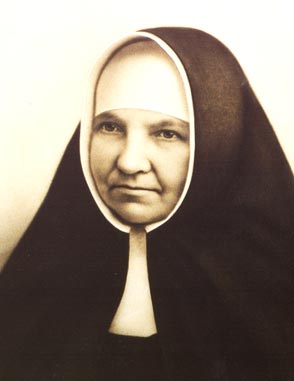
Catherine Kasper, Foundress of the Poor Handmaids of Jesus Christ
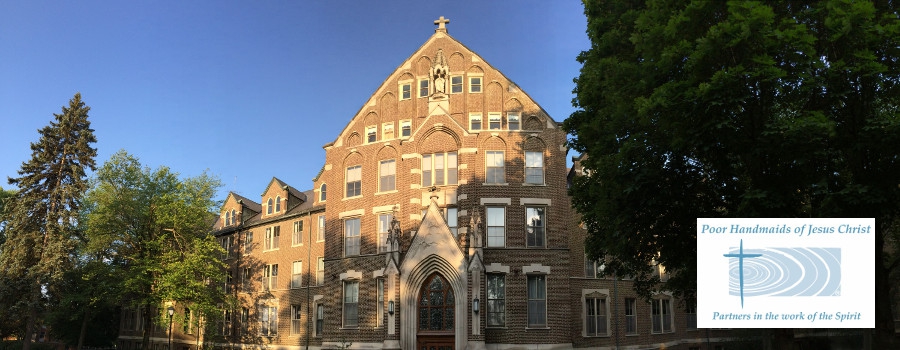
I never thought I would have the opportunity to see Jesus’ face so many times this summer– until I was introduced to the Poor Handmaids of Jesus Christ (PHJC) at The Center in Donaldson. The Sisters reside at what they call “The Motherhouse” tripling as an apartment complex, an executive office, and a chapel. Next to The Motherhouse lies the Catherine Kasper nursing home and Catherine’s Cottage (a unit reserved for Sisters). About 2-3 times per week I make my way down to The Center in Donaldson with my boss, Terry, and the trip through the rural town seems more beautiful each time.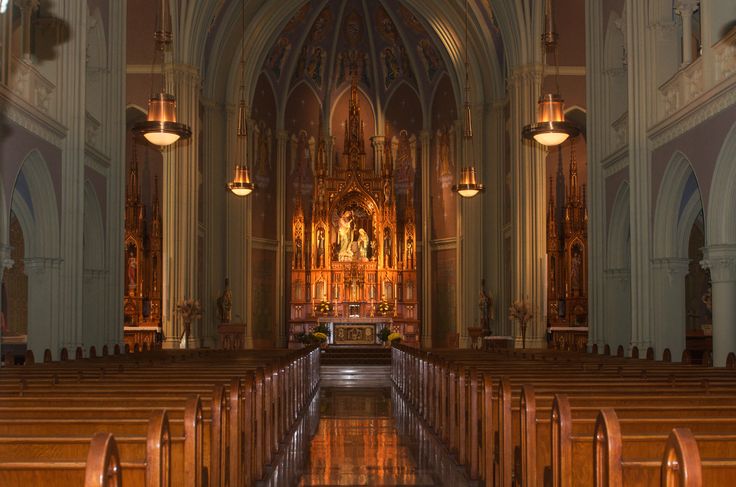
I serve on the development team at Ancilla Systems Incorporated (ASI) otherwise known as the administrative branch for the Poor Handmaids. Through my work here so far at ASI, I am beginning to realize that what seem like the smallest tasks still contribute to an incredible goal. Whether it be applying for grants, sending invitations, conducting interviews, or planning programs, each action has a tremendous purpose.
To elaborate on my tasks, I am currently planning a speaker program in September featuring Keynote Speaker and Chief Diversity Officer at Walgreens Corporation, Steve Pemberton. After growing up in an abusive family within the foster system and working his way to success, Steve will be sharing his impactful story with childcare workers at the brunch in September. His story parallels backgrounds of children in one of the PHJC ministries, Nazareth Home. At Nazareth Home in East Chicago, child trauma victims aged 0-6 years old who must be placed in foster care find respite and much-needed medical care. Having been founded by Sister Kathleen Quinn of The Poor Handmaids, Nazareth Home is a haven for children who need constant nurturing and a tenacious, loving presence from caregivers who tirelessly give their efforts.
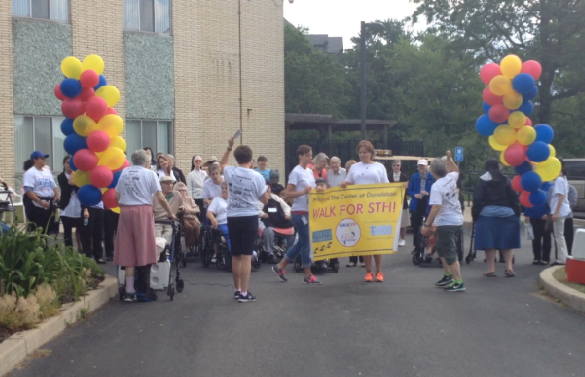
The start of the STH walk in Donaldson!
Another task I have been granted was helping with the fundraiser walk for Sojourner Truth House (STH), another PHJC ministry led and founded by Executive Director Sister Peg (also co-founded by Sisters Joan, Loretta, Kathleen, Ann, and Wilhelmina). Sojourner Truth House in Gary, a fantastically powerful non-profit organization, offers over 25 services to homeless women on a daily basis. From food and clothes to transportation, showers, and classes, women have the opportunity to return to a financially stable life once again. At the walk in Gary this past Saturday (6/11), I witnessed over 500 supporters give generously and without hindrance; raising almost $100,000 in donations to the ministry of STH.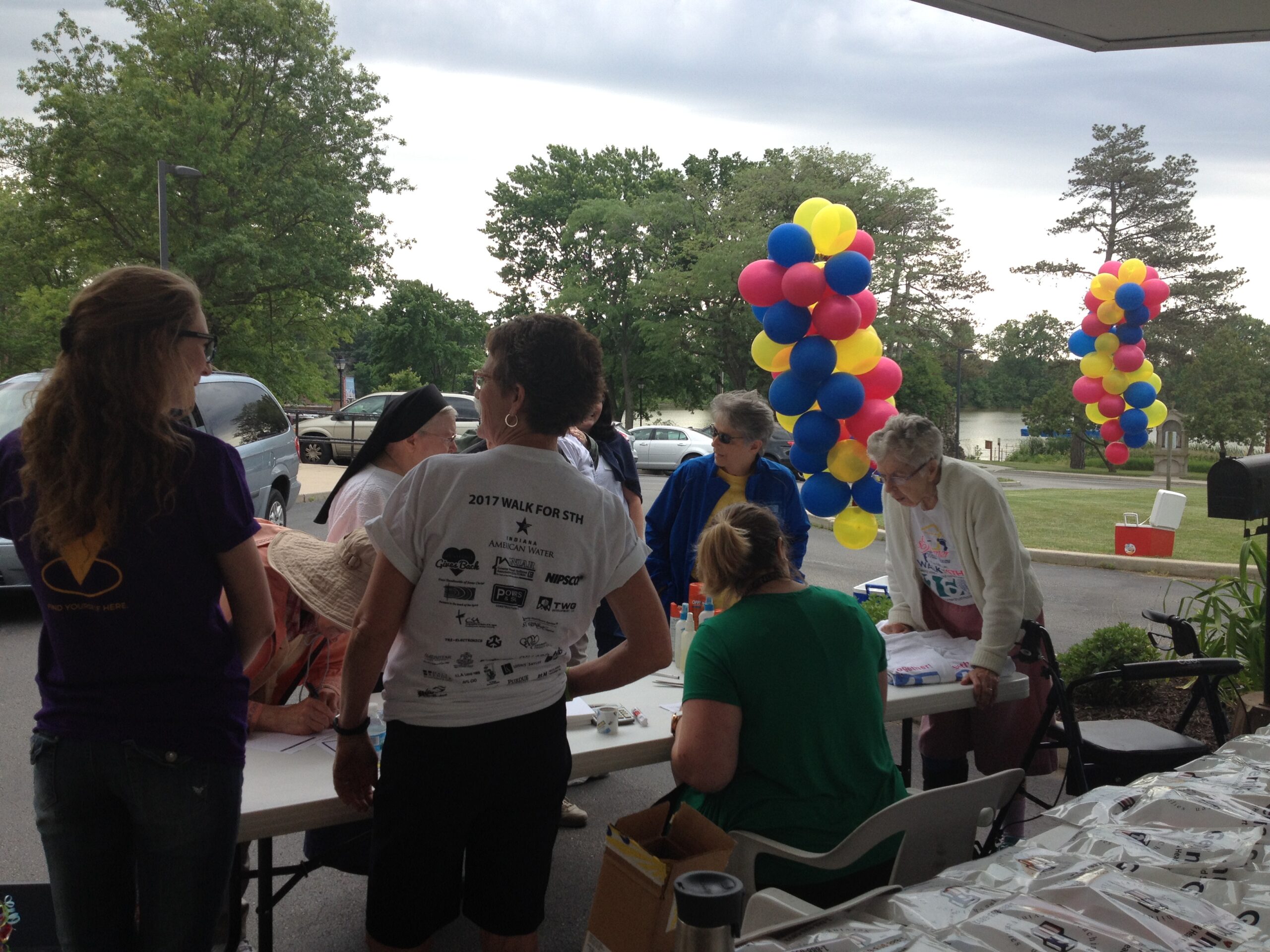
I feel humbled to be doing this work. And my work, at times, feels miniscule compared to the Poor Handmaids, who devote their entire being to serving others. I am grateful, additionally, to have the opportunity to apply my understanding of health care to this position. Nearly a quarter of the sisters I have met currently dedicate or have dedicated their life to serving others in the clinical sphere and I will soon be interviewing them for PHJC fundraising appeals. I cannot wait to see the wealth of wisdom they hold and to hear about their work either within the country or internationally. The sisters here give effortlessly, love unconditionally, and serve others without a second thought. This position at ASI is already giving me more knowledge than I can contain and I am filled with joy knowing I have the opportunity to contribute to such a wonderful group known as the Poor Handmaids of Jesus Christ.
 Wooh, let me breath out and relax for a second; it’s been almost 2 weeks since I began my CAPS fellowship with Heartland Alliance’s Youth and Family Services (YFS) and each day has been a new, challenging, but most importantly exciting adventure. Let me retrace a few of steps to the beginning and get a running start (get ready for some running metaphors!) into some of the experience and takeaways that I’ve already experienced in my first two weeks as a CAPS Fellow.
First and foremost, what exactly have I been doing? Since you’ve taken the time to read this blog I feel you’re entitled to know what I’ve been up to, so let me explain. My primary role as an intern in the YFS division of Heartland Alliance is to work with other interns and staff to plan, coordinate and finally carry out “Summer Program”; a 6 week long day camp for newly settled refugee children ages 8-14 that runs from the beginning of July through the middle of August. So then it would follow that the month of June is sort of like a warm-up for when the race actually begins at the beginning of July. However, this warm-up is more like one of those warm-ups where you’ve decided to try something new every step of the way, and at first it seems like, “woah this is really scary!” and you don’t know what to do, but then you look around and realize that everyone around you is super awesome and passionate, loves the work that they’re doing, and genuinely wants to make the world a better place. Pretty much right away you settle in and think “man this is going to be a great run” and you start to feel comfortable excited in a really great new environment. That’s what working in YFS is like.
Currently YFS has a set of tasks we need to complete before Summer Program begins that range from organizing our supplies, creating binders for each of the locations where we pick up students, reaching out to families about participating, and everywhere in between. One of the big things I’ve taken out of this experience already is that in order to plan such a major event, like our summer program, is that there’s a whole lot of behind the scenes work that nobody realizes is absolutely vital for having a successful program. For example, as I’m writing this I’ve just finished a day where I spent a great deal of time reaching out to local restaurants and grocery stores for summer program snack donations (absolutely crucial to keep costs down as a non-profit) and talking with bus companies about transportation for one of our field trips during the program. What I’ve come to take away from all of this is that in order create something truly great, like our Summer Program will undoubtedly be, you’ve got to put the time in during training to have a winning product.
Running metaphors and pseudo-sports reference aside, there are a few things that have really struck me about this sort of really purposeful work that I’ve entered into. One, at the end of the day, when 5:00 rolls around, and the work day ends, it’s not at all the end of the day for the families coming through our office. While I get to go home at the end of the day to hangout and watch Netflix, the families who we work with don’t get to just check out from what happened during the day, because while this might just our work, it’s their whole lives. That’s the kind of thought that when it hits you makes you start to appreciate the incredible importance and purpose of this sort of work. Second, the people who work at Heartland Alliance, and organizations like it, are truly amazing human beings. Being surrounded by people who everyday live out the values of leadership and service is inspiring and really drives you to work harder and do good things. Lastly, pre-school children are absolutely adorable. Okay, everyone know that, but still. After spending just a few hours in the preschool room a few days okay I’ve had kids running up to me at my desk, with the biggest smiles, yelling “teacher, teacher”, and I think you can get the picture, it’s a pretty great feeling.
I think that’s where I’ll leave it for this time. I am super excited to continue my summer with Heartland Alliance’s Youth and Family Services, and I look forward to checking back in once we’ve started the race that is Summer Program. (Of course I was going to leave you with one more running metaphor!)
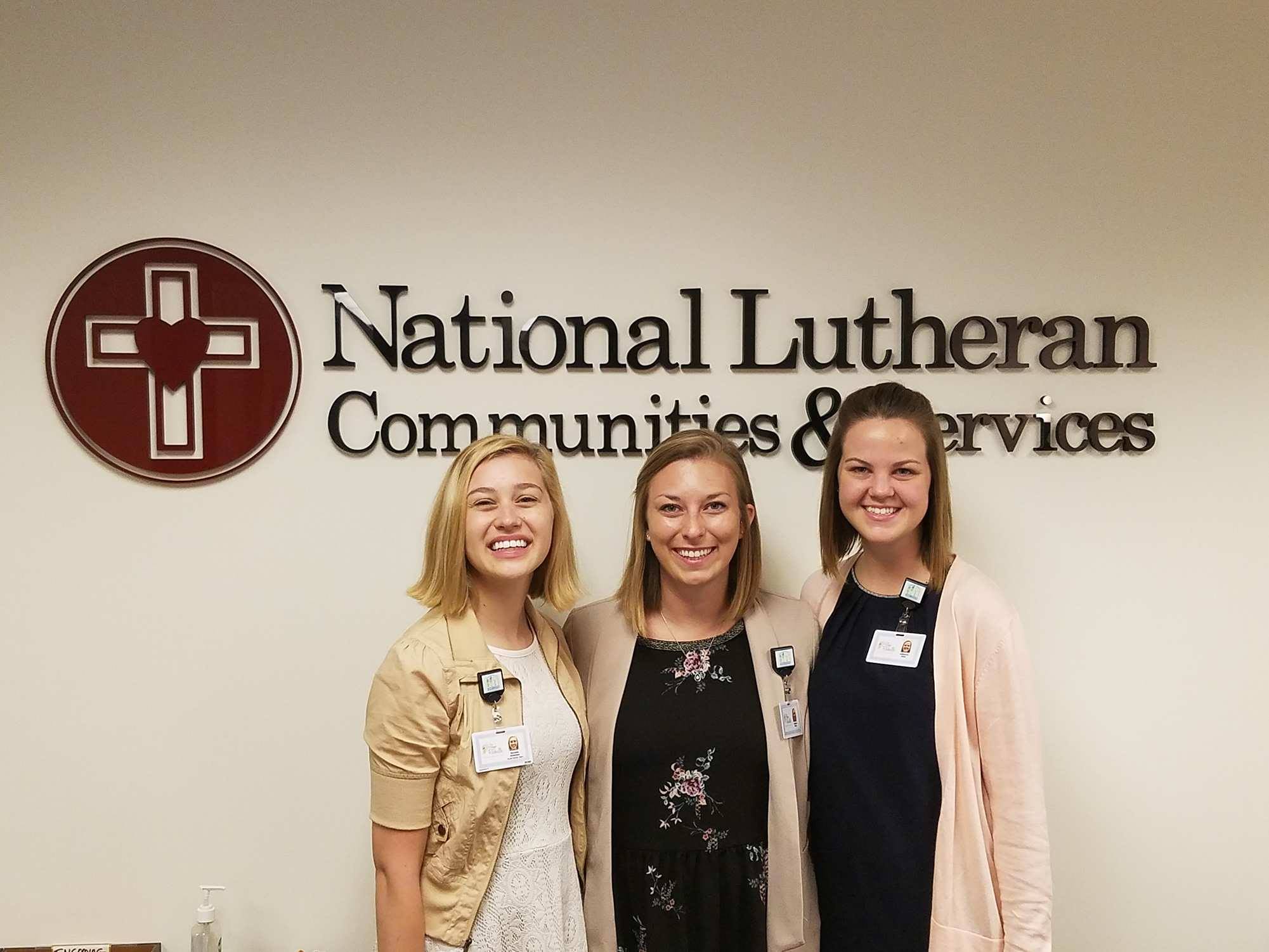
Me, Maddie, and Katie at the NLCS Corporate Office
As one of the youngest CAPS fellows, this is my first internship. It is also my first time moving 11 hours away from home. Also, thanks to that Valpo meal plan money, it’s the first time I truly have to cook for myself. It sounds more intimidating when the tasks are listed like that, but I am excited. I have the opportunity to serve at a great organization, National Lutheran Communities and Services (NLCS), as they strive to best serve older adults in a continuing care retirement community. It’s a dream come true for me.
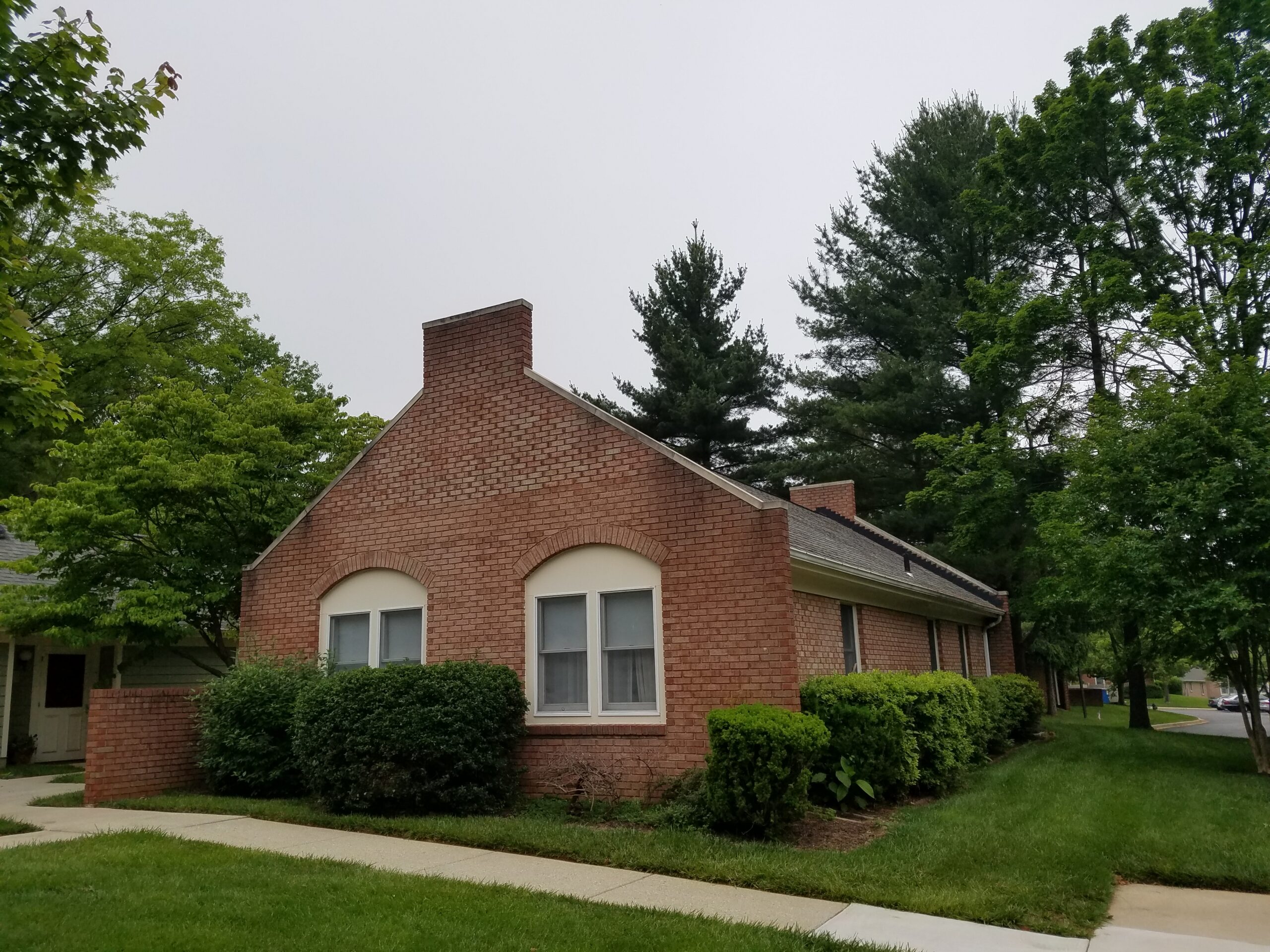
Our cottage
As I reflect on my first three weeks out in Rockville, Maryland, it’s been a whirlwind. I have met many new people between the staff, residents, and guests living here. I have heard more medical acronyms than I knew existed. I have received more free food than I ever anticipated. Also, I began my summer long project on discharge planning. My project is focused on myPotential Rehab where guests go to receive physical, occupational, and/or speech therapy. It is a relatively short stay before the staff of nurses, physicians, “coaches” or social workers, therapists, and dietitians have to have everything ready to send with the guest. Figuring out the best discharge paperwork for this team to prepare for the guest to take with them can be tricky, especially with time constraints and issues with transferring information.
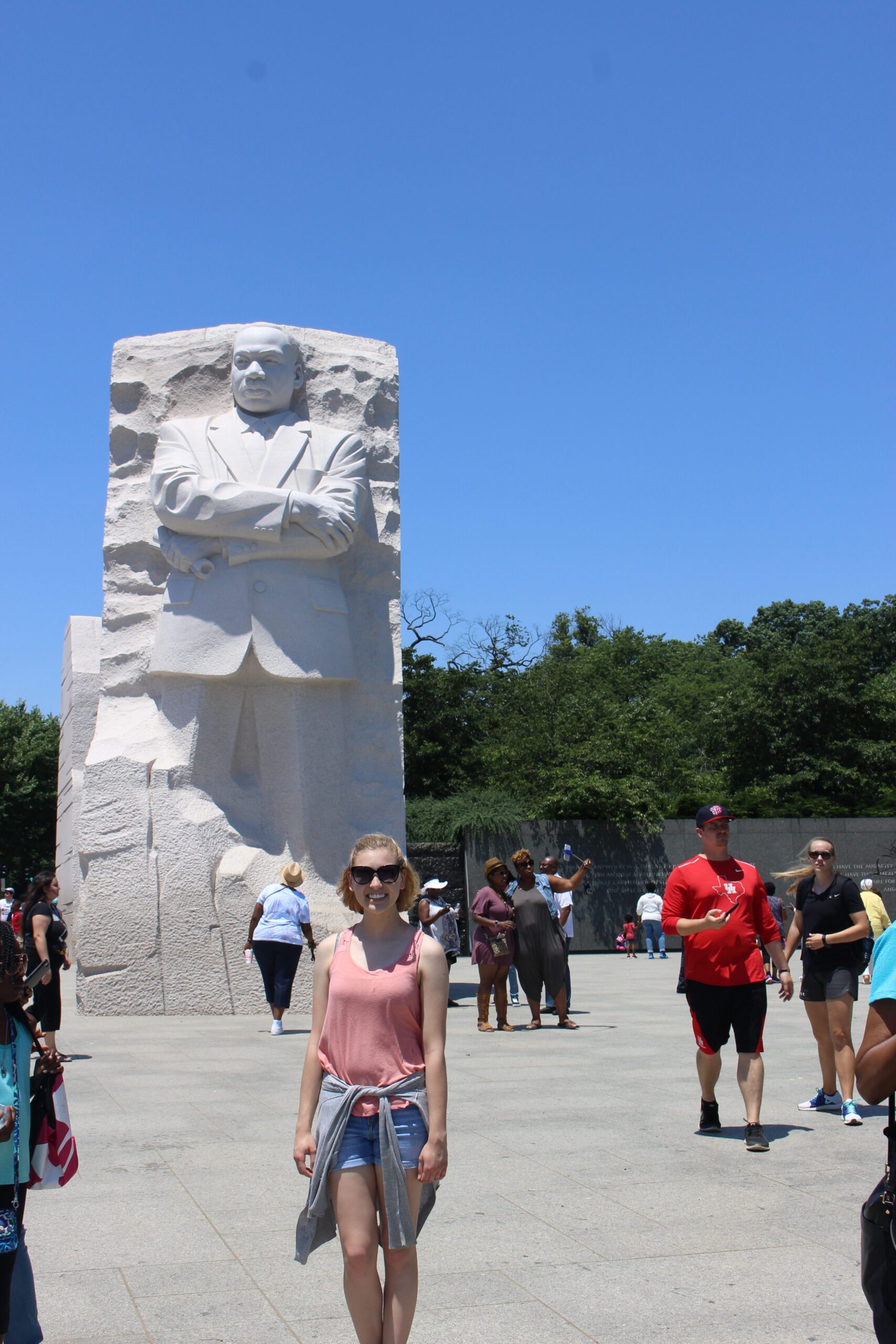
MLK Monument- “Out of a mountain of despair, a stone of hope”
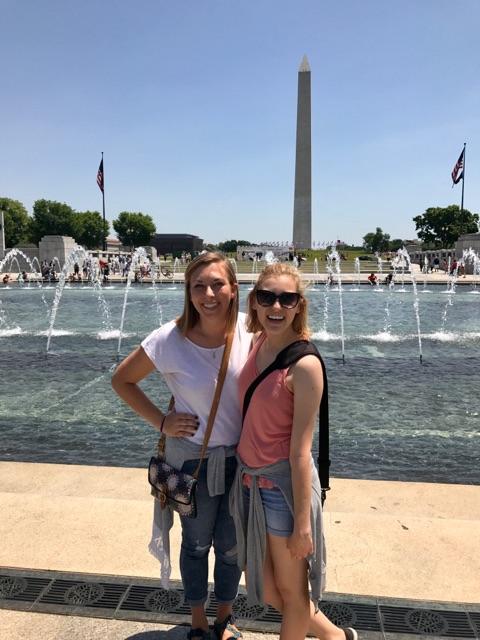
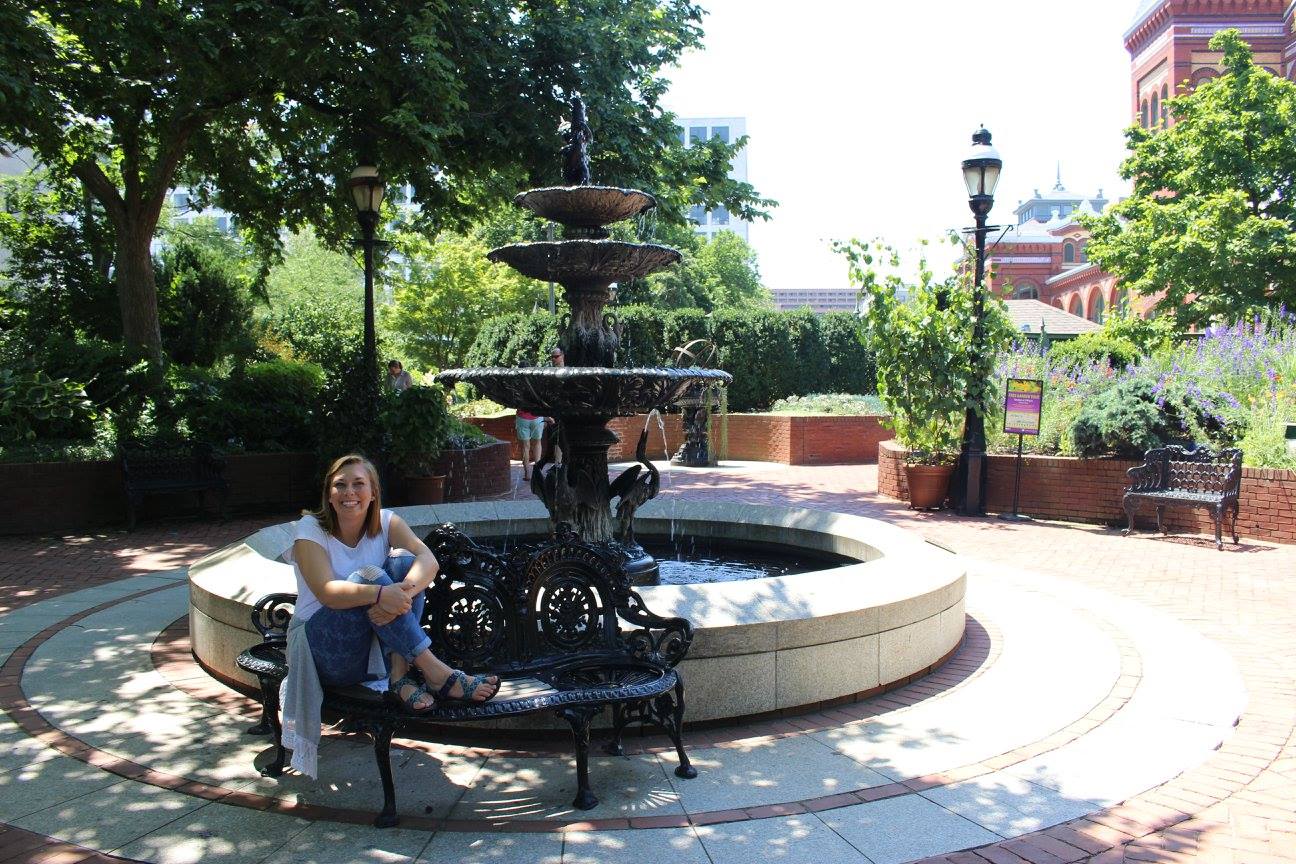
Maddie and I in front of the WWII Memorial with the Washington Monument in the back.
Overall, I think the biggest adjustment for me is getting used to scheduling my own time. As a college student, this is something I’ve had experience with, however, this is on a different scale. I have to figure out how to coordinate meetings with busy people in between the meetings I myself need to attend. Plus, I have to plan when I want to sit down to try to comprehend what information I just received and work on my own project. Some days I have spent maybe an hour in my office while others I am in front of my computer all day long trying to sort things out. As I am working on my project, I am trying to stay focused on the discharge summary paperwork, since within the discharge process itself there is the possibility for numerous other separate projects. Meanwhile, I am also thinking about how this applies to my future. I have known for 5 years now that I want to work with older adults. Over this time, I have volunteered at, worked in, and shadowed at various facilities that focus on the care of older adults. This is my calling, but it hasn’t come with a job title. I am still unsure what I will ultimately be doing as my vocation. What would be the most meaningful? What would I enjoy the most or even be good at? It’s a daunting task. Just as is reformatting a discharge summary system in the remaining 6 weeks I have at NLCS. I have never put together an extensive project like this before or determined what my path of service might be, but hey, I can add these to my list of firsts.
A few things I have learned as I start my CAPS Fellowship in Maryland:
1. I am capable of driving 13 hours straight.
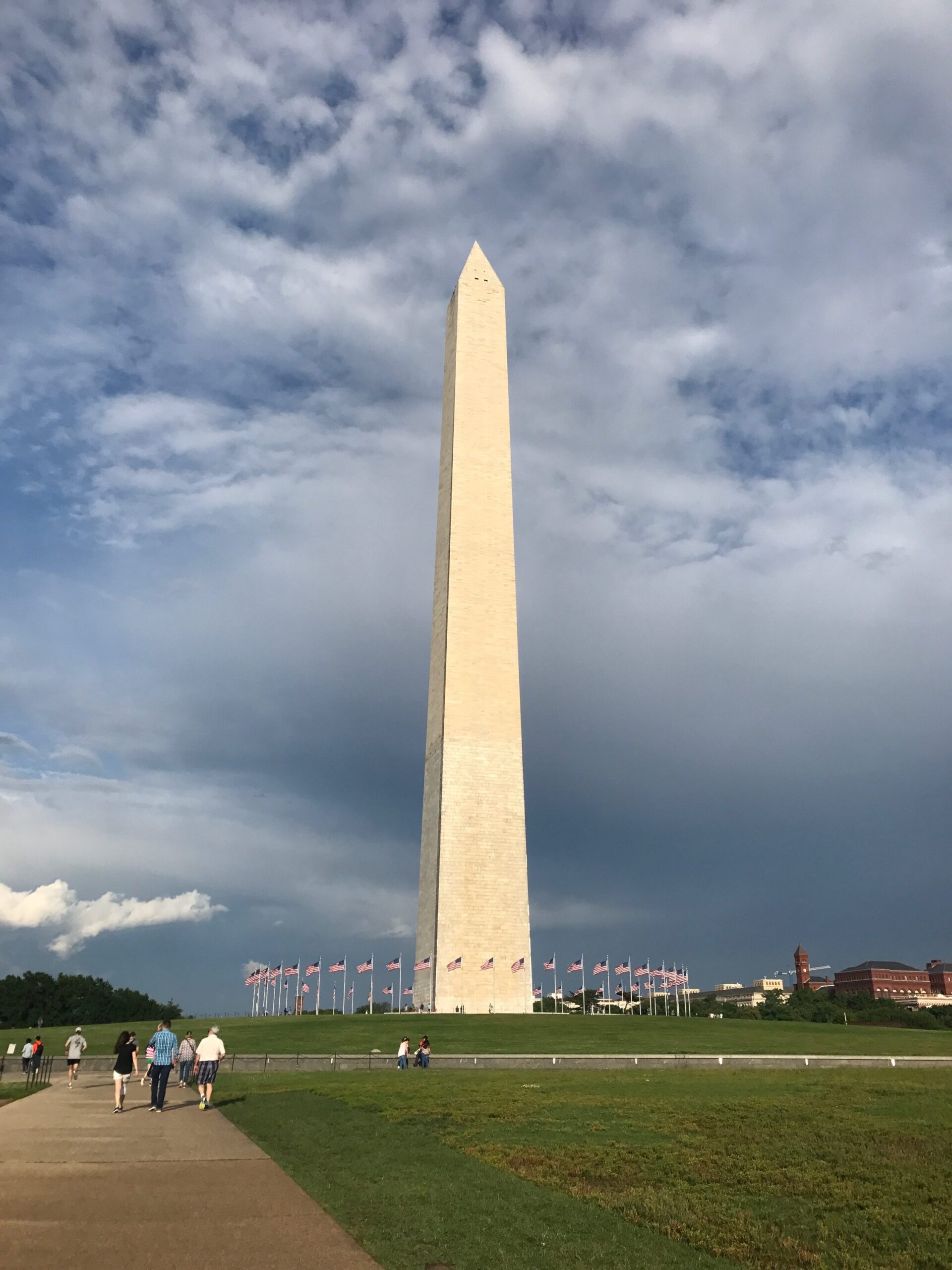
Washington Monument
2. Being a tourist in Washington, D.C. for a day and a half is exhausting. There is simply just too much to see and do that you ultimately cannot fit it into that kind of time frame. Good thing I have all summer to metro down to D.C. and explore!
3. Moving into a cottage provided by The Village at Rockville (TVAR) is exciting! You also get very creative when 3 girls get ready in a home with ONE bathroom.
4. Sometimes starting the washing machine is not as easy as pushing a button and you have to get creative with that as well (had to let the washer figure out its attitude first….).
5. When 3 girls walk into a restaurant looking utterly confused and clearly are first timers you just might get free bagel bites and a big piece of chocolate cake.
6. Attending a Welcome Cookout at your supervisor’s house the night before orientation with 4 other interns really puts butterflies at ease and shows you just how gracious and kind the staff are that you will be working with and for throughout the summer.
While some of those things are comical, moving out East for the summer has really allowed me to grow as a young adult (and that’s just been in the first week of living out here) and also excites me for my future professional career and the opportunities I have and will be given.
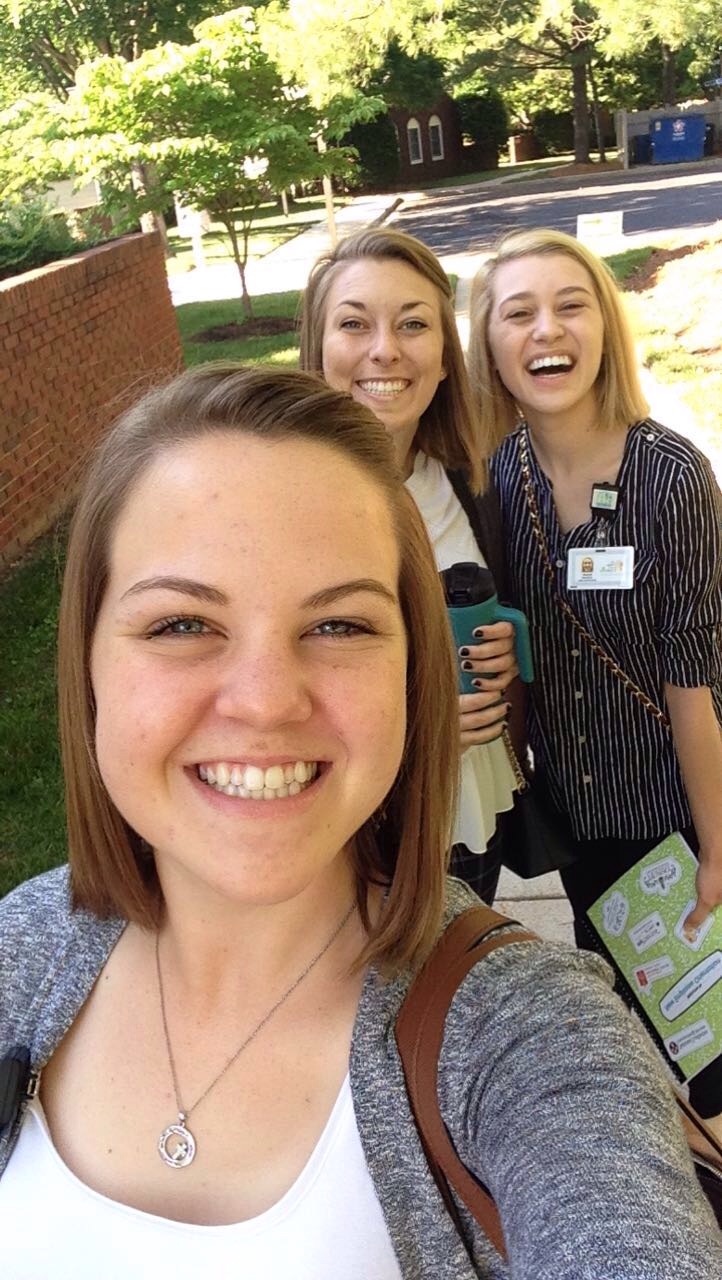
Second day of work
I started working in the office at TVAR on June 5th so I have officially been in Maryland for one week. In this first week I have had the opportunity to attend two full days of orientation, learning much more about National Lutheran Communities and Services and the mission and values the organization functions by. NLCS’s mission of customer service focused care for residents at the community and constantly exploring new ways of further impacting and improving the surrounding community is inspiring. It motivates me to jump into projects and use my skills and knowledge to help them reach the goals they have set.
This past week, I have met numerous members of the leadership team both from corporate and also internally at The Village at Rockville. They are all so wonderful and so eager to assist me with projects and show me the ropes of the organization. I am starting to meet many of the residents who live in the community.
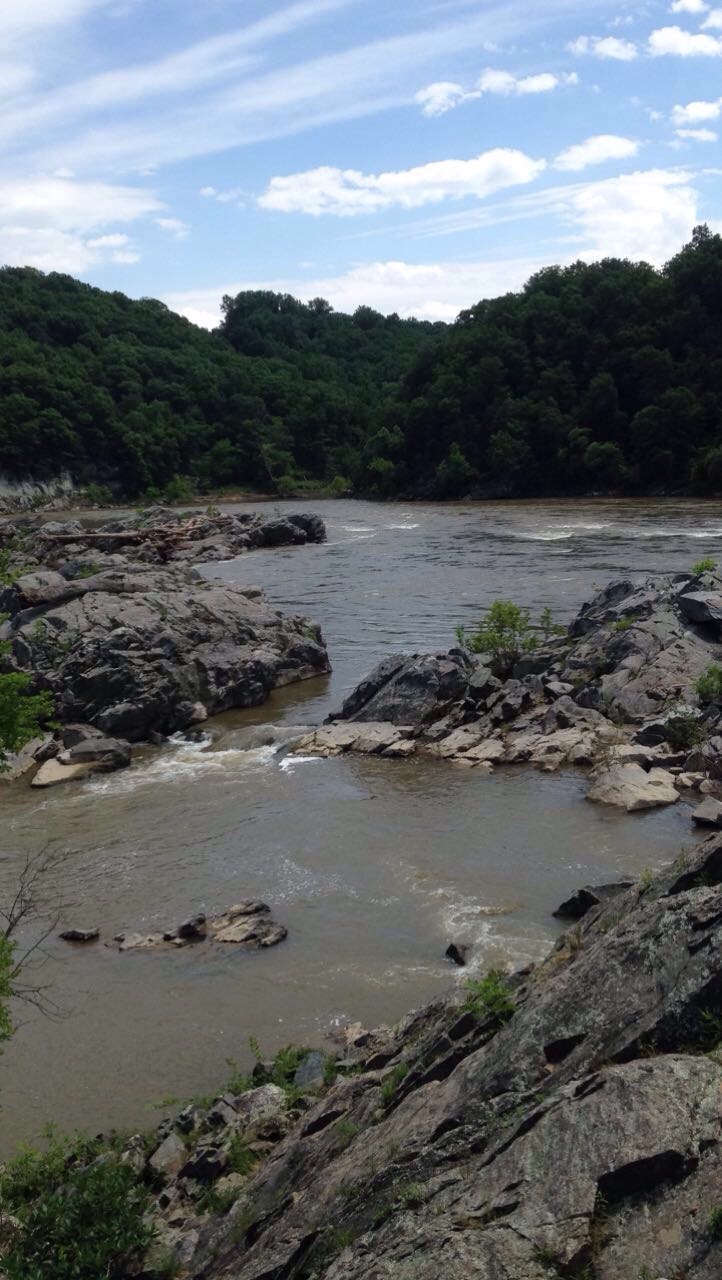
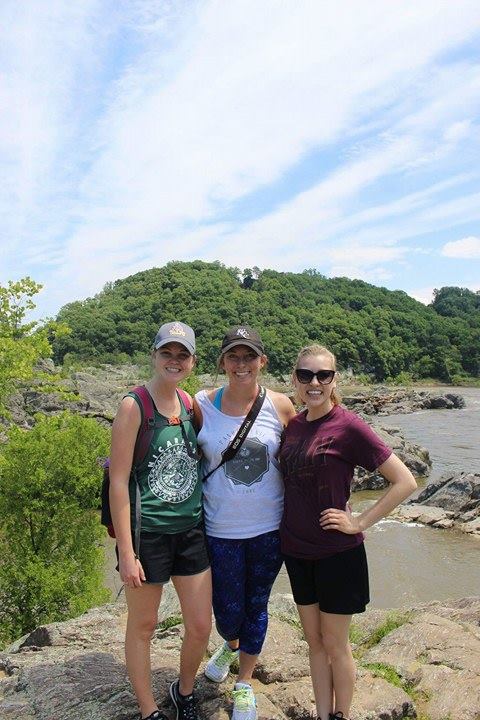
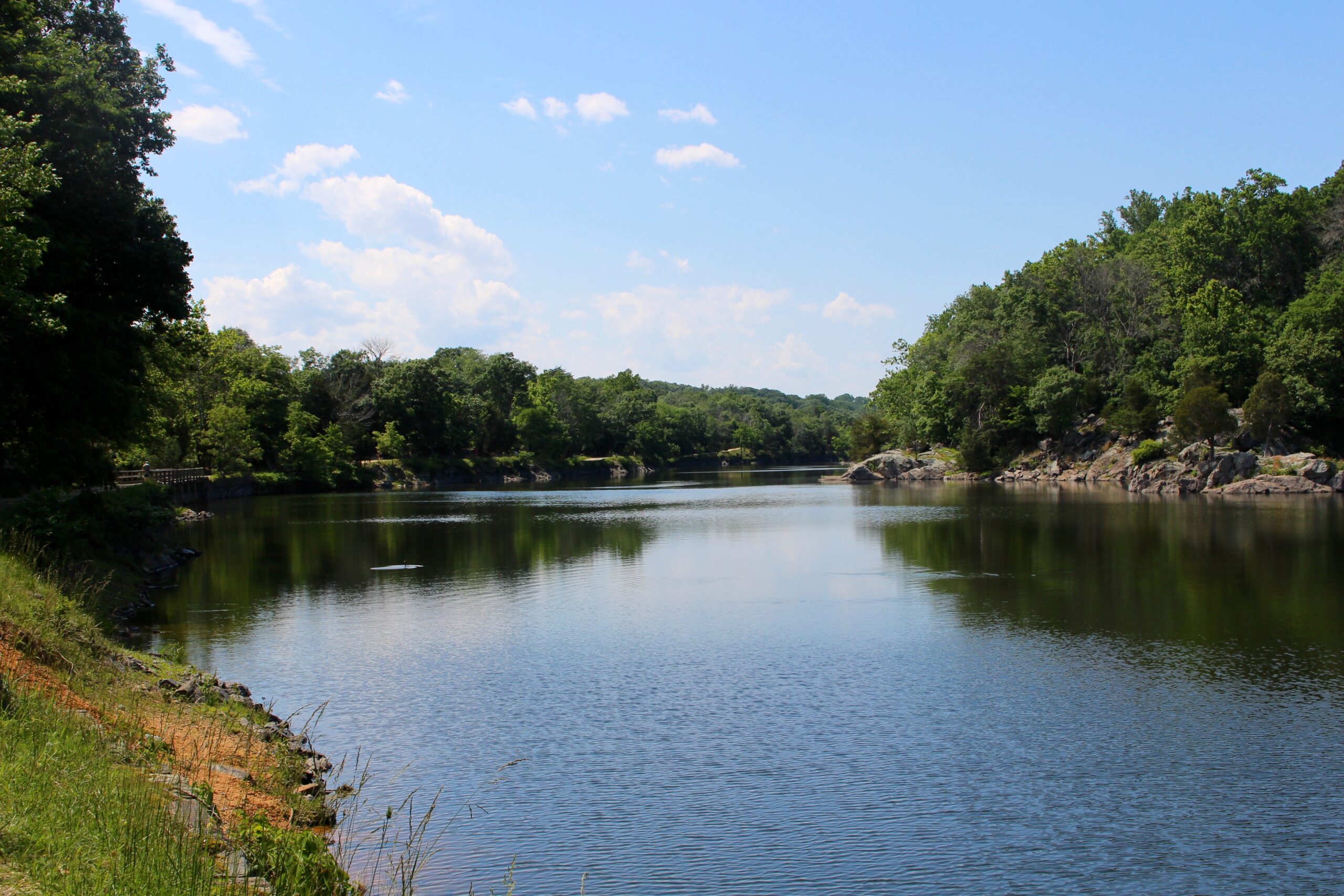
Beautiful scenery on our hike at Billy Goat Trails
The favorite part of my day is walking upstairs and visiting with the residents on the memory care floor. There is so much history, wisdom, and stories that I lookforward to hearing from all the residents while I am here.
This summer I will have many opportunities both in nursing administration and in nursing care that each day will be full of learning and growing, and I am eager to reflect on those opportunities at the end of these 8 weeks in MD.
The Precision Medicine Initiative, am I a doctor? No, I’m a CAPS Fellow. My first few weeks interning at Venn Strategies have been many things. It has been challenging, informative, exhausting, and so much more. I have found myself working on issues that truly matter to the betterment of our society. One of these projects is the Precisions Medicine Initiative. The Precision Medicine Initiative is a program started under the Obama administration. It is designed to expand the scope of medical testing to traditionally underrepresented communities to design new treatments that take into account gender, ethnicity, and environment. The PMI has already changed the way in which certain cancers are treated. But what about me? I have never attended medical school, let alone been exposed to precision medicine. My role has been to help in a different way. I have been assigned to the team that has helped to roll out the Mobile Engagement Unit. The Mobile Engagement Unit is a bus that has been modified into a mobile testing center that will be driving around the country to get people involved in research for the project. A bulk of my work has been preparing logistics as the MEU will be traveling starting its trek across the country in August.
The CAPS Fellowship has given me the opportunity to explore the diverse nature of the DC area. My roommates have developed a plan to eat at a restaurant representing a different part of the world every Friday night. As I write this blog I am quite full after our Ethiopian food extravaganza. In the future we plan on sampling Sri Lankan, Vietnamese, and Mongolian, just to name a few. This an opportunity that is unique to Washington DC. Outside of London or New York, it is difficult to find such a diverse group of foreign diaspora living in one place.
These two experiences are a mere sampling of the activities I have taken part in during my first few weeks in Washington that have facilitated the introspective nature of CAPS. I have found myself reflecting deeply on what my future will look like. For a long time I did not know whether I would pursue something in the non-profit sector or something business related. I had always held the two as distinctly different. I have seen through CAPS and my time that Venn Strategies that despite the fact that is not a non-profit, the work we do is changing the lives of those in America the better. There is a phrase written on one of the walls in the office that says, “act like the work you do matters, it does.” This phrase describes how I feel when I go into work every day. Whether it is helping the Precision Medicine Initiative or researching infrastructure improvement, I have learned that work in policy can truly be fulfilling work and give a purpose for getting out of bed each day. I look forward to the rest of my time at Venn Strategies and the rest of the CAPS Fellowship.
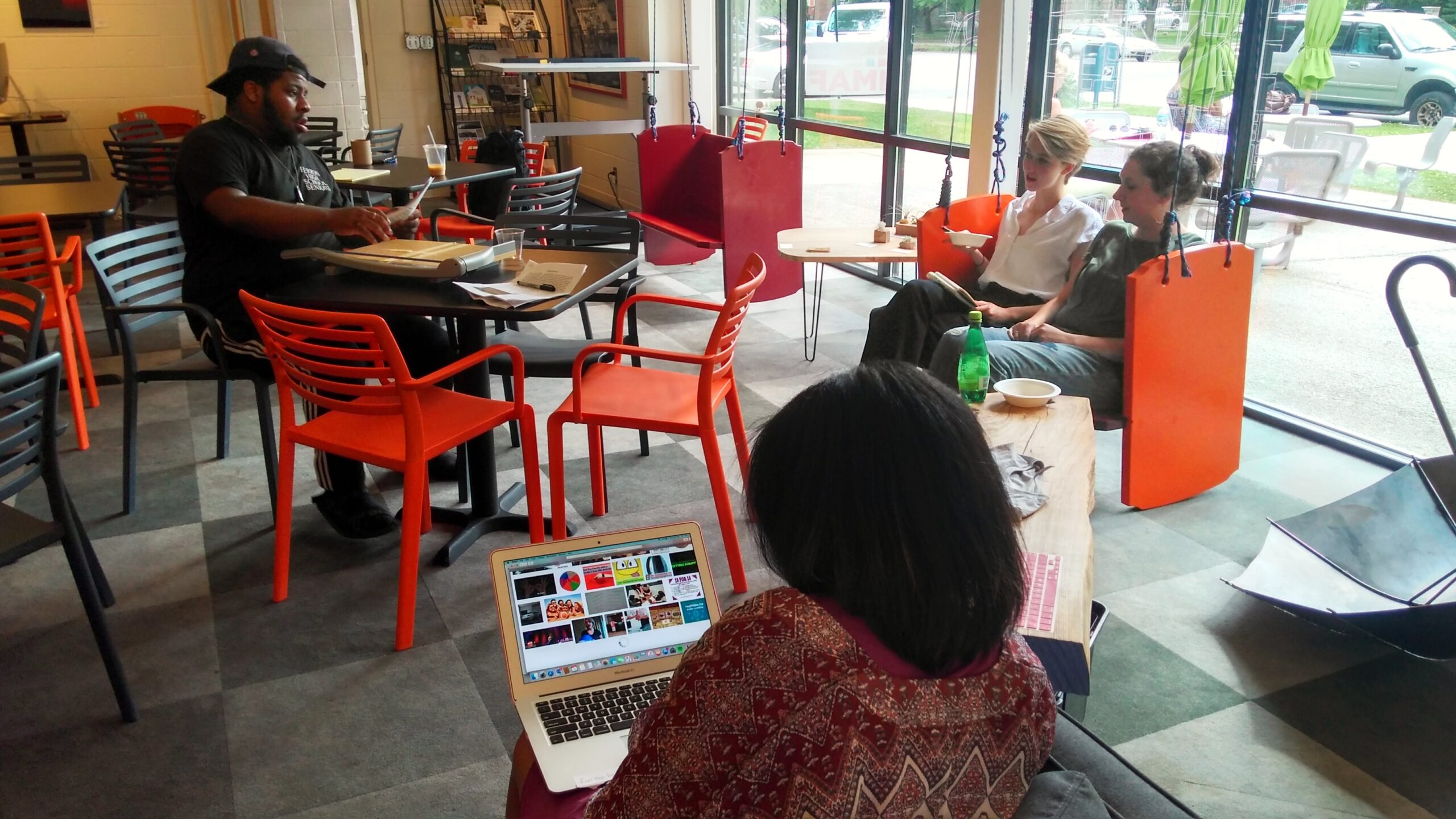
Working inside the Harrison center
I wandered through the stairways and hallways of the center, I was given the task to find three things that stand out to me in the Harrison Center for the Arts from my supervisor. Art hangs on every wall; while, materials and supplies are stacked and ready to be turned into something new. It is a creative’s dream.
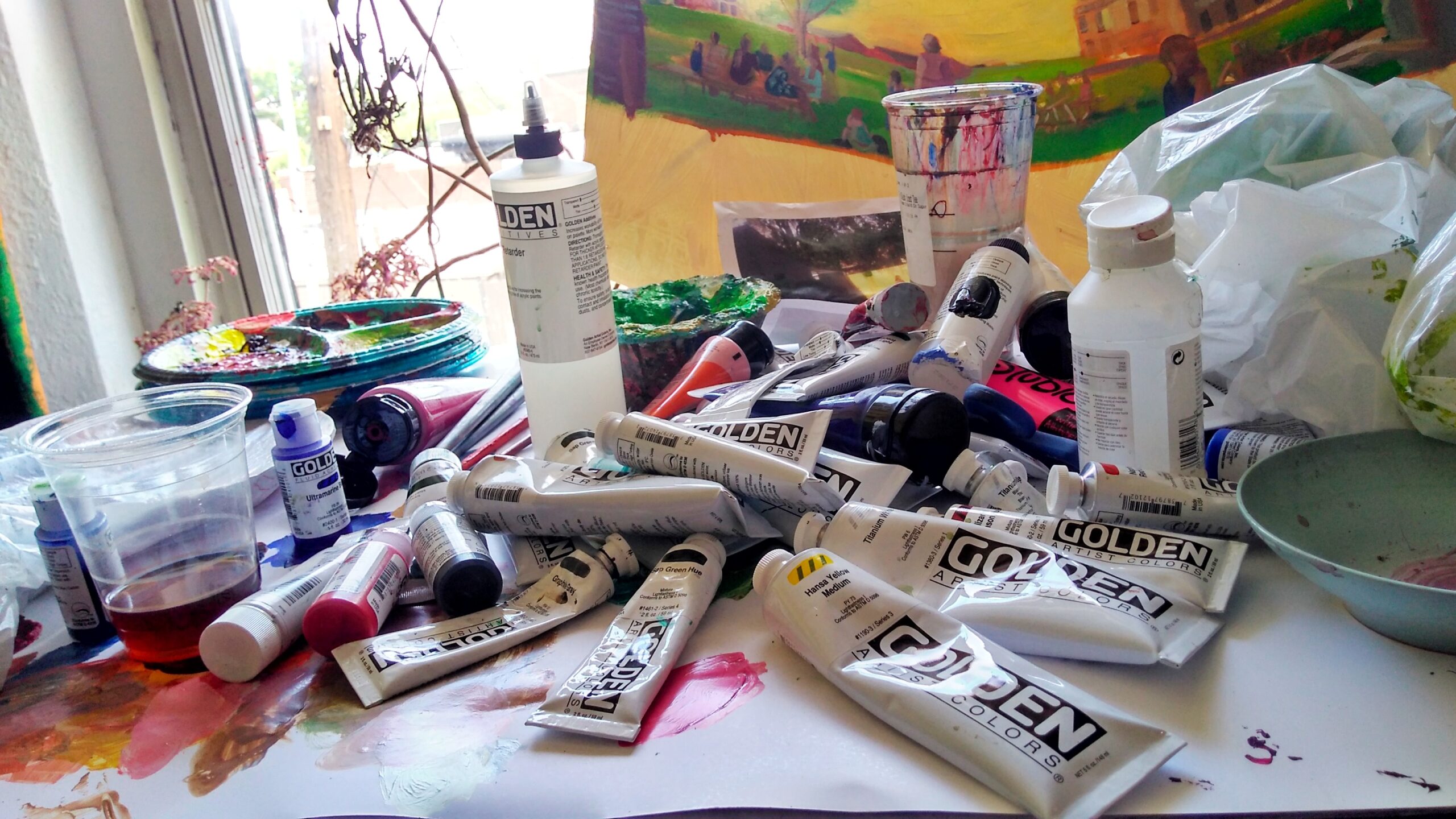 The building itself is old and shows its past through many periods of renovation and additions. Rooms vary from cinder block to brick to limestone. As one room is utilized for gallery or event space, the next will be an artist’s den filled with their work and supplies. There are old wood floors that transition to concrete with paint marks showing marks of the artists here. It feels like a maze in which each corner leads to something new. However, the building serves the purpose to house the artist’s space and their work as well as give a space for the community to gather and be inspired by art. The art covers the walls and amplifies the variety of textures and materials within this place. I sit in front of a painted copper piece while I recall the pieces I passed made with oil paint, beeswax, collage, wood, and more. These textures of the building and the art develop a sense of collectivity. It is a place where different talents and stories combine to create the atmosphere of the center.
It’s evident that this buildings has delivered a place that many artists find the freedom to create, the ability to try new things, and have instant feedback from the large community within the center. They art can be hung in any open space. The floors can get messy, and whimsical additions can be added to the cracks (as little wire men are found around the center helping ‘fix’ it up).
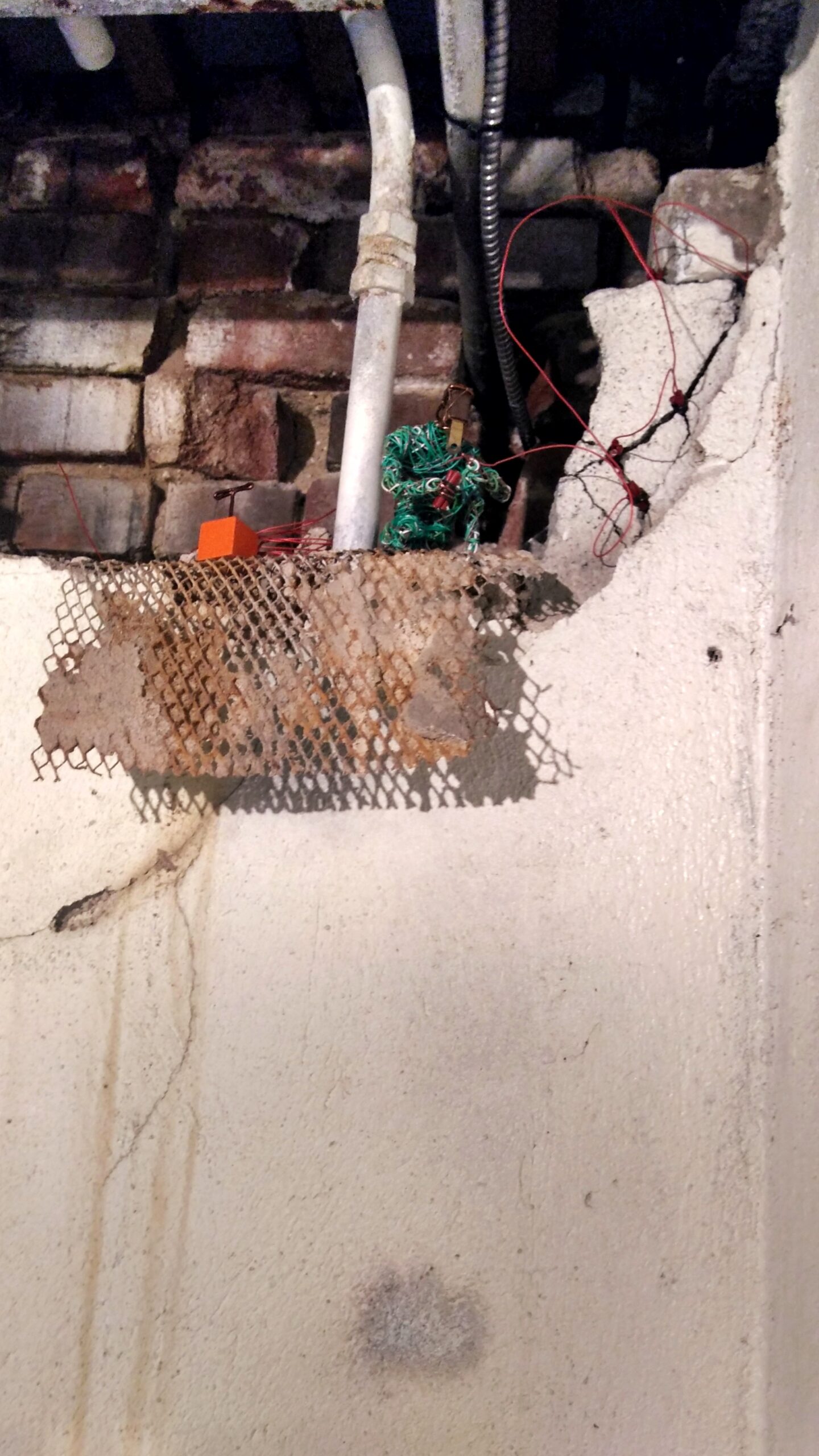
You can walk through this place and feel inspired, challenged by new ideas, and joyful because of all that surrounds you.
This place has developed into a center for continuous production and creation, and I have gotten the chance to experience and partake in this activity. Working here, you do not stay on one consistent assignment, as there are many going on at one time. In my first two weeks I have researched the history of pea shake houses and mortuaries to see their roles in a neighborhood that we are working in. I have interviewed an artist and resident of the community to hear his stories of the place. I have written blog posts and done more research finding clever ways of bringing art into neighborhoods. Eight other interns have arrived at the Harrison Center since I came, and we each are finding our place in the beautiful commotion of this place.
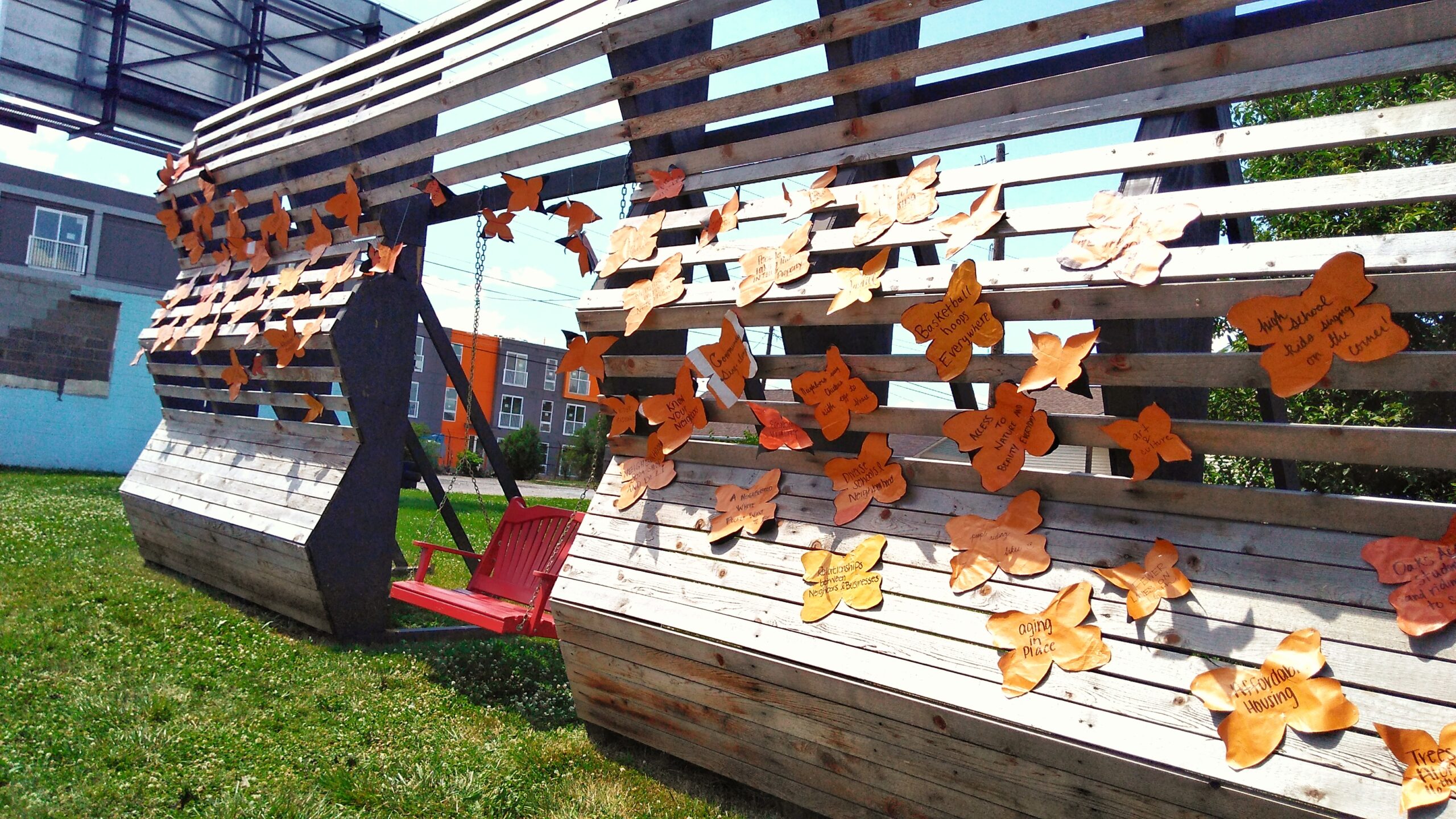
The butterfly wall
We have worked together to create a wall of butterflies with the neighborhood’s hopes and dreams written on them. This coming week we are planning to make yarn and leaf luminaires outdoors in another neighborhood. These project may seem simple, but they have connected us with these neighborhoods and have made people curious. And these are only several parts of my internship! It has already taught me so much and has given me an incredible community in which I get to work. I am very excited for whatever the next months have in store for me and this place!
-Regan Weber
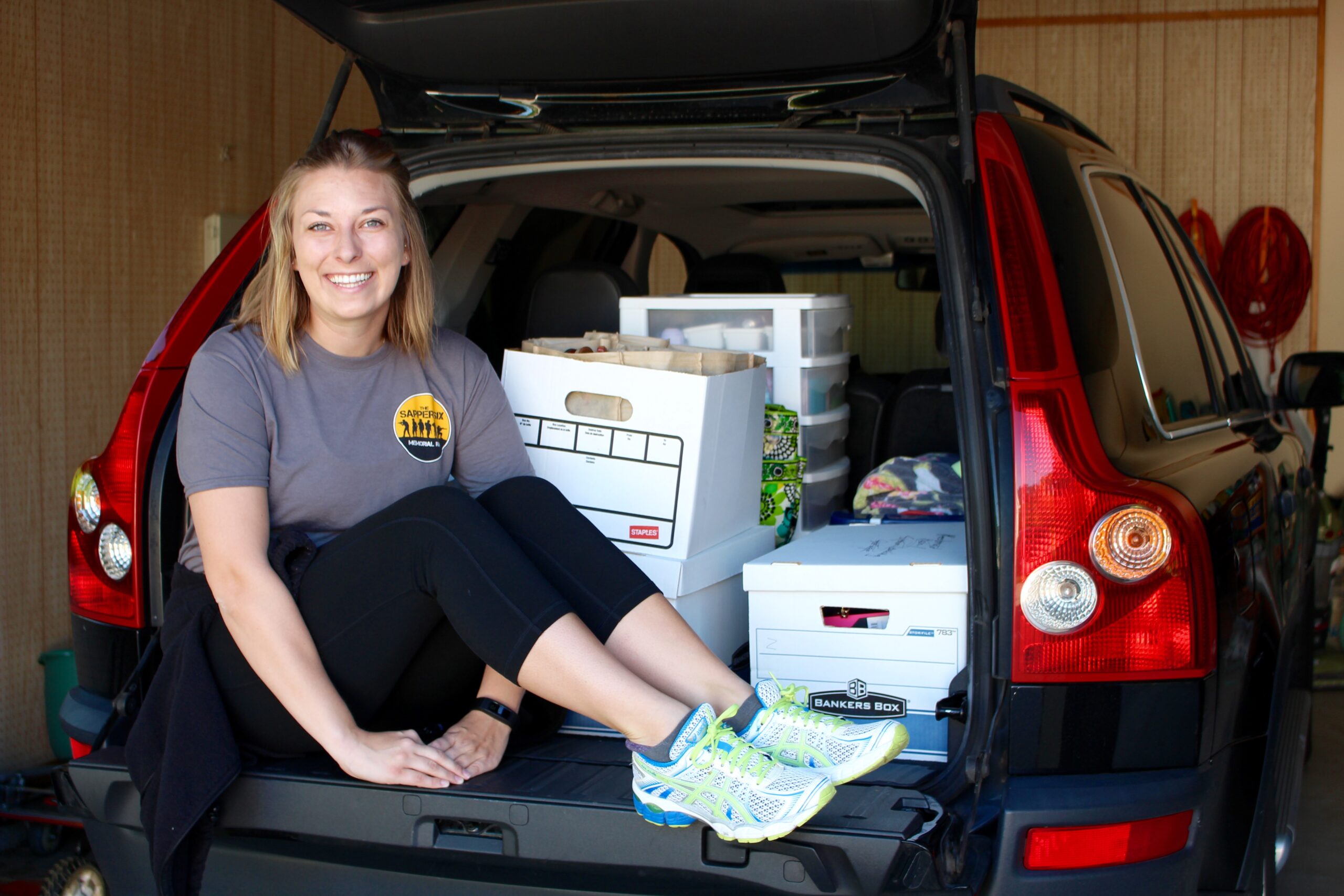 A fully packed car that went from Fort Wayne to Rockville. The first two things that occurred to me when signing up for this blog were:1) I really should sign up to do this blog at the same time my roommate does her blog so that I remember to do so! and2) This blog follows my first week… that’ll be easy. I can talk about all the things I that I have learned. The first point was perfect because I nearly forgot, and the second point was more difficult than I originally thought. It’s not because I haven’t learned anything, but because I have learned so much. I have been inundated with information. This information is both overwhelming and also thrilling. I have felt the rush of wanting to dig into my proj
|
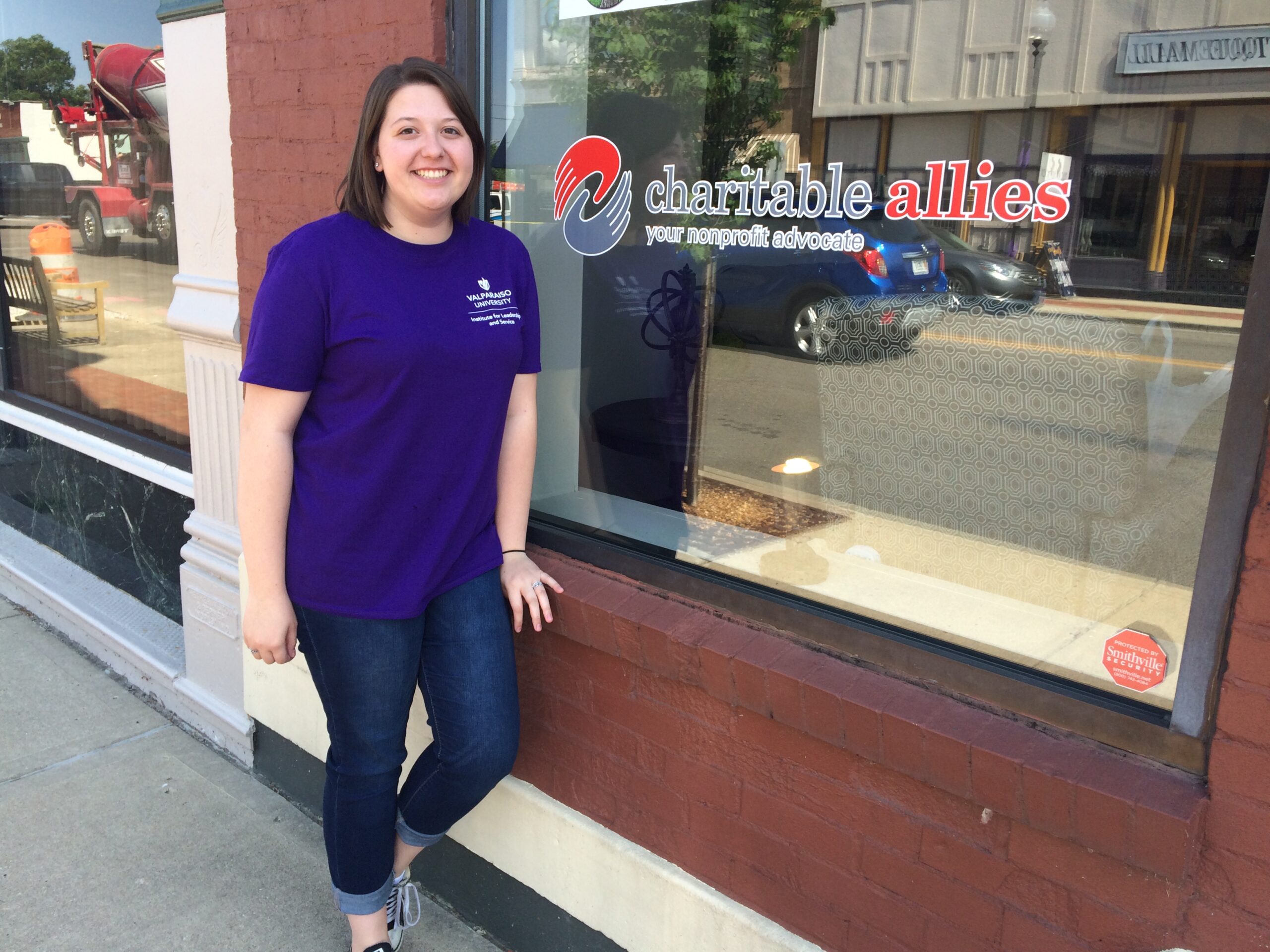 It’s already been a whirlwind time here in Indianapolis. From moving in during the biggest racing weekend known to man (the Indy 500 for those who are not car inclined) to starting my internship with Charitable Allies to learning the logistics of this beautiful, vibrant city, it’s been a challenge. What I was not expecting, though, was the largely impactful beginning to my time in Mooresville, the town that currently houses Charitable Allies. CA is itself a nonprofit law firm that represents nonprofit organizations through not only the formation process but also educational and administrative support, training, and legal services. Charitable Allies works to see nonprofits through various obstacles whether that is simply filing for tax-exempt status, working better with their board of directors, or being present in court for various legal needs.
When I first arrived at my internship, I was tasked with updating the website for not only Charitable Allies but also for my site supervisor’s other firm. This firm in particular focuses on Adoption law, interstate and international. Within the first week of me being in the office, an international adoption case blew up and my supervisor was flying to the east coast to participate in an emergency hearing. It was incredible. I was watching him and our office’s paralegal furiously finish all of the required paperwork in order to help the client.
Through this hectic situation, I realized just how fast paced real time can be. In the working world, things have to get done in an instant and they have to be done correctly. There is no margin of error in the law and Charitable Allies and the work that they are doing has shown this to me. I hear legal jargon thrown around like it’s water cooler talk and I watch the printer spit out hundreds of sheets of paper per one case. Working with a group that splits their time between the nonprofit sector and the adoption law world has shown me just how important it is to be versatile in the world of law. Of course a firm itself tends to focus on one, maybe two different types of law, but as an individual it is imperative to be ready for whatever is thrown at you.
My supervisor woke up that morning not knowing that he would have to file emergency paperwork with a court in a different state; he probably expected to wake up and grab a cup of coffee before heading into the office. This is what I mean by being versatile. Cases can move at the speed of light, similar to the way life can. One second you’re prepared to do one thing and the next second you’re accomplishing something you never thought possible. If CAPS has taught me anything so far, it’s to be completely open minded to anything that an internship may throw at you. Even if you are not directly doing the work, just watching the others in the office tackle a situation far larger than themselves can be a learning experience. Taking the time to truly analyze and pay attention to your surroundings in an office space can change the way you look at the world around you.
I started my college career at Valparaiso University as a Spanish and Secondary Education major, but through the various experiences I’ve had over the last four years, I’ve discovered a calling to teach English to speakers of other languages. I’ve spent years in TESOL and education classes and countless hours in the classroom working with elementary and middle school English learners, so a CAPS fellowship in this field seemed like a logical next step in learning to apply what I’ve learned in the “real world”. This summer, my internship in Chicago with the English Language Training department of Heartland Alliance’s Refugee and Immigrant Community Services will give me a glimpse of another branch of what I am now exploring as my vocation.
Over the past five days, I have learned about assisting in adult English classes, filing paperwork, inputting data, testing new participants, and making coffee. Assisting with English classes is how I spend the biggest chunk of my day, and it is the best overall description of what I do, but making the coffee is arguably my most important task, depending on whom you ask. All jokes aside though, it is nice to feel like I am contributing to this organization. I enjoy data input and find filing to be relaxing, and the tasks will save my supervisor and the other English teachers a few hours of their time. Besides learning about my daily responsibilities, the experiences I have had at Heartland have already taught me more about myself than I expected this early on in the summer.
The position I am in now is much more relaxed than what I experienced as a student teacher. Students come and go from class as needed to go to appointments and get one-on-one help from tutors, and they frequently speak to one another in their native languages during class. While this commotion was hard for me to adjust to during my first few hours of observations, I have come to appreciate the environment in ELT classes. I have learned to go with the flow of this new style of classroom, and it works well for the participants. The students and teachers all enjoy themselves during class, and the students are there because they want to learn! They frequently express their thanks to me, the teachers, and the other volunteers at the end of a lesson, which is a welcome change from most high school students’ attitudes.
I have also learned to be much more outgoing and friendly! Well, I’m working on it. The environment that Heartland employees create in the office is similar to the atmosphere that exists in the classrooms. Coworkers always greet one another with a smile and by name. It is so refreshing to be in such a positive place every day. Even as a relative newcomer, I can tell that the people there really care about what they do. I can only hope that by the end of the summer, I will have adopted this passionate and welcoming attitude. I may be teaching English lessons, but the people I interact with every day are teaching me to be a better person.